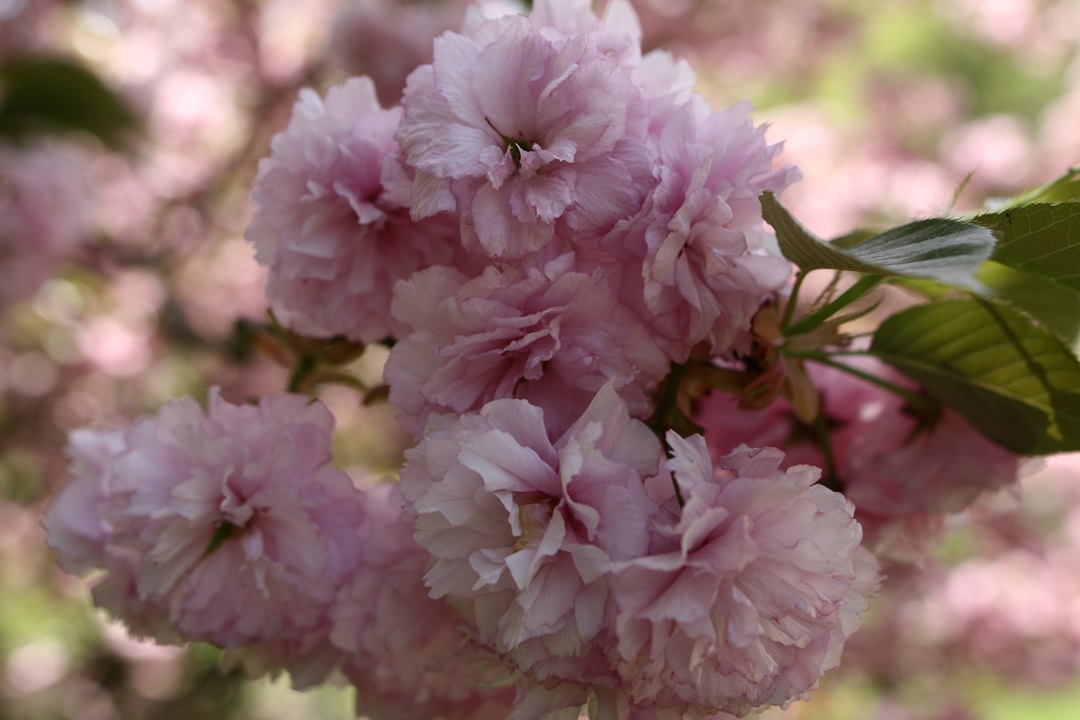
Pink Flowering Trees
Gardening is a fulfilling hobby and an excellent way to contribute positively to the environment. Sustainable gardening practices help to create green spaces that benefit local ecosystems, conserve resources, and provide beautiful, healthy habitats. Pink flowering trees are a stunning addition to any garden. With the proper techniques, they can be grown in an eco-friendly manner. This article will explore the best sustainable practices for cultivating pink flowering trees, offering practical tips for eco-conscious gardeners.
Why Pink-Flowering Trees Are a Garden’s Secret Weapon
Pink-flowering trees bring more than just beauty to a garden — they offer seasonal drama, ecological benefits, and long-lasting value that few other plants can match. As soon as their delicate blossoms appear, these trees transform green spaces into vibrant displays of soft pink hues, creating a visually uplifting atmosphere and a sense of seasonal renewal. In addition to their aesthetic appeal, many pink-flowering trees attract pollinators like bees and butterflies, contributing to a healthier, more biodiverse garden. Planet Natural+2Gardenia+2 As they mature, these trees can also provide shade and structure — turning a simple yard into a layered, living landscape that evolves over time. For gardeners looking for that blend of elegance, environmental value, and long-term curb appeal, a carefully chosen pink-flowering tree is often one of the most rewarding investments.
Understanding Sustainable Gardening
Sustainable gardening involves using methods and materials that have minimal environmental impact. The goals are to conserve resources, support local wildlife, and create beautiful and ecologically beneficial gardens. Key principles include:
- Water Conservation: Using water efficiently and reducing runoff.
- Soil Health: Maintaining soil fertility through natural means.
- Biodiversity: Encouraging a variety of plants and animals in the garden.
- Pest Management: Using natural pest control methods.
- Resource Use: Choosing sustainable materials and practices.
Choosing the Right Pink Flowering Trees
- Selecting the appropriate species of pink flowering trees is crucial for sustainable gardening. Native trees are typically the best choice as they are adapted to the local climate and soil, require less water and maintenance, and support local wildlife.
Native Pink Flowering Trees
- Eastern Redbud (Cercis canadensis): Known for its beautiful pink flowers, this tree is native to North America and is drought-tolerant once established.
- Dogwood (Cornus Florida): Another North American native, the dogwood produces lovely pink blooms and is relatively low-maintenance.
- Desert Willow (Chilopsis linearis): Native to the southwestern United States, this tree has pink to lavender flowers and thrives in arid conditions.
Non-Native Options
- If native options are unavailable, consider non-native species that are well-suited to your local environment and are not invasive. Some popular choices include:
- Cherry Blossom (Prunus serrulata): Widely celebrated for its pink blooms, it can be a sustainable choice if grown in suitable climates.
- Japanese Magnolia (Magnolia lilii flora): Known for its striking pink flowers, this tree can be grown sustainably with proper care.
Planting and Establishment
- Proper planting and establishment are vital for the success and sustainability of pink flowering trees. Here are some tips:
Site Selection
Choose a location that provides the right conditions for your chosen tree species. Consider:
- Sunlight: Most pink flowering trees prefer full sun to partial shade.
- Soil: Ensure the soil is well-drained and fertile. Do a soil test to find out its acidity and nutrient levels.
- Space: Ensure enough space for the tree to grow without competing with other plants.
Planting Techniques
- Digging the Hole: Dig twice as wide and the same depth as the tree’s root ball.
- Amending the Soil: Mix the excavated soil with compost to improve fertility and structure.
- Planting: Place the tree in the hole, making sure the root flare (where the roots spread from the trunk) is level with or slightly above the ground surface. Fill the hole with the improved soil and water it well.
Water Conservation
- Using water wisely is very important for sustainable gardening.
- Pink flowering trees, especially when young, require adequate moisture, but it is essential to avoid overwatering.
Mulching
- Apply a 2-3 inch layer of organic mulch around the tree’s base, extending to the drip line (the area under the tree canopy). Mulching helps retain soil moisture, regulate temperature, and reduce weed growth.
Drip Irrigation
- Think about using drip irrigation systems that send water straight to the roots. This helps save water by reducing how much evaporates or runs off.
- This method is particularly effective in regions with limited rainfall.
Rainwater Harvesting
- Put rain barrels under your roof to collect rainwater.
- During dry periods, this water can be used to irrigate your trees, reducing your reliance on municipal water supplies.
Soil Health
- Maintaining healthy soil is essential for sustainable gardening. Good soil helps plants grow strong and means you don’t need as much chemical fertilizer.
Composting
- Add compost regularly to your soil to improve its structure, fertility, and microbial activity. Composting yard waste, kitchen scraps, and other organic materials reduces landfill waste and recycles nutrients in your garden.
Organic Fertilizers
- Use organic fertilizers, such as compost tea, fish emulsion, or bone meal, to provide nutrients to your trees. These options are less likely to leach into groundwater and are generally environmentally safer.
Avoiding Chemical Pesticides
Chemical pesticides can harm beneficial insects and pollute water sources. Instead, use integrated pest management (IPM) techniques:
- Biological Controls: Introduce beneficial insects, like ladybugs and lacewings, that prey on pests.
- Mechanical Controls: Use traps or barriers to keep pests away.
- Cultural Controls: Rotate plants, maintain cleanliness, and choose pest-resistant varieties.
Biodiversity and Pollinators
Encouraging biodiversity in your garden helps create a balanced ecosystem that supports pink flowering trees and other plants.
Companion Planting
Plant various species around your pink flowering trees to create a diverse habitat. Plants that grow well together can attract good bugs, keep away bad ones, and improve the soil.
- Good companions for pink flowering trees include:
- Lavender: Attracts pollinators and repels pests.
- Marigolds: These are known for their pest-repelling properties.
- Herbs include basil and thyme, which attract pollinators and beneficial insects.
Supporting Pollinators
Pink flowering trees are often excellent nectar and pollen sources for bees, butterflies, and other pollinators. To support these critical creatures:
- Avoid Pesticides: Especially during blooming periods.
- Provide Water Sources: Place shallow water dishes with stones for pollinators to rest on.
- Plant in Clusters: Grouping plants together makes it easier for pollinators to find and access flowers.
Resource Use and Waste Reduction
Reducing waste and using resources wisely are critical components of sustainable gardening.
Reusing Materials
Repurpose materials whenever possible. For example:
Old Wood: Use reclaimed wood for garden beds or tree supports.
Containers: Reuse pots and containers for planting.
Leaves and Grass Clippings: Use these as mulch or compost material.
Minimizing Plastic Use
Avoid single-use plastics in your garden. Opt for biodegradable pots, natural twine, and reusable plant markers.
Recycling
Recycle garden waste, such as prunings and leaves, by composting or using a chipper to create mulch.
Caring for Trees and Shrubs
Regular maintenance is necessary to keep pink flowering trees healthy and attractive, but it should be done sustainably.
Pruning Techniques
Prune your trees to remove dead or diseased branches, shape the canopy, and promote healthy growth. Use clean, sharp tools to make precise cuts, and avoid removing more than 25% of the tree’s canopy at once.
Disease and Pest Monitoring
Check your trees often for signs of sickness or bugs. Early detection can prevent the spread of problems and reduce the need for chemical treatments. Use natural remedies, such as neem oil or insecticidal soap, to manage issues when they arise.
Creating Wildlife Habitats
Pink flowering trees can be a cornerstone of a garden that supports local wildlife.
Nesting Sites
Install birdhouses or leave dead trees (snags) standing when safe to provide nesting sites for birds. These can offer shelter and breeding spots for various bird species.
Food Sources
Some pink flowering trees produce fruits that attract birds and other wildlife. In addition to nectar and pollen, cherry blossoms eventually bear cherries, which many animals enjoy.
Shelter
Plant shrubs and perennials around your trees to create sheltered areas. These can offer hiding spots for small animals and insects.
Embracing Sustainability Of Your Garden With Pink Flower Trees
In addition to the practices already mentioned, embracing permaculture principles can further enhance the sustainability of your garden with pink flowering trees. Permaculture focuses on designing gardens that mimic natural ecosystems, promoting resilience and self-sufficiency. By integrating pink flowering trees into a permaculture design, you can create multifunctional landscapes where these trees provide beauty, shade, habitat, and organic material.
For instance, planting nitrogen-fixing plants like clover or lupine around your pink flowering trees can improve soil fertility naturally, reducing the need for synthetic fertilizers. Utilizing companion planting techniques, such as growing herbs and vegetables that thrive under the canopy of your pink flowering trees, maximizes the productive use of space and resources.
Furthermore, incorporating swales or rain gardens around these trees can enhance water retention and prevent soil erosion, ensuring the landscape remains lush and vibrant even during dry periods. By adopting a holistic approach to gardening, where every element supports and benefits the others, you can cultivate a thriving, sustainable garden that showcases the stunning beauty of pink flowering trees and contributes to a healthier environment.
Seasonal Care and Adaptation for Pink Flowering Trees
Seasonal care is crucial for maintaining the health and beauty of pink flowering trees in an eco-conscious garden. Each season presents unique challenges and opportunities for sustainable gardening practices. In spring, focus on mulching and applying organic compost to encourage robust growth and vibrant blooms. This is also an ideal time to inspect for pests and diseases, implementing organic control methods early.
During summer, prioritize water conservation by using drip irrigation and mulching to retain soil moisture. Monitoring soil moisture levels ensures that trees remain hydrated without overwatering, which can lead to root rot. Autumn is the perfect time for pruning and shaping your trees and removing dead or diseased branches to prevent winter damage.
Collecting and composting fallen leaves contributes to soil health and reduces waste. In winter, young trees are protected from frost damage by wrapping their trunks with burlap or using tree guards. Applying a thick layer of mulch around the base can also insulate roots against freezing temperatures. By adapting your care routines to the changing seasons, you support your pink flowering trees’ long-term health and sustainability, ensuring they thrive year after year and continue to enhance your eco-friendly garden.
Read More:- Why the Egg Chair is Perfect for Both Indoor and Outdoor Relaxation? A Brief Guide
Conclusion
Sustainable gardening with pink flowering trees is a rewarding endeavor that benefits both the gardener and the environment. By choosing appropriate species, conserving water, maintaining soil health, and supporting biodiversity, eco-conscious gardeners can create vibrant, healthy gardens that thrive harmoniously with nature. With thoughtful planning and care, pink flowering trees can be a beautiful and sustainable addition to any garden.
Apart from that if you want to know about “Experience Luxury: A Detailed Guide To The Best Valentino Perfumes for Men and Women” then please visit our “Home Improvement” Category
Frequently Asked Questions (FAQs)
For small gardens, consider compact varieties like the Eastern Redbud (Cercis canadensis’ Forest Pansy’), Dwarf Flowering Almond (Prunus glandulosa), or the smaller cultivars of Dogwood (Cornus florida).
To attract pollinators, plant a variety of nectar-rich flowers around your trees, avoid using pesticides, provide water sources, and plant in clusters to make it easier for pollinators to find flowers.
Organic pest control methods include:
Introducing beneficial insects like ladybugs.
Use neem oil or insecticidal soap.
Setting up traps or barriers.
Maintaining garden cleanliness to prevent infestations.
Newly planted trees need consistent moisture to establish roots. Water them deeply once or twice a week, depending on weather conditions. Mulch helps retain soil moisture.
Some pink flowering trees, especially dwarf varieties, can be grown in containers. Ensure the container is large enough to accommodate the tree’s root system, use high-quality potting mix, and provide regular water and nutrients.