Introduction
Birth month flowers hold a special place in various cultures around the globe. Each month associates with a particular flower, imbuing it with rich symbolism and historical significance. This article explores the cultural meanings and traditions surrounding birth month flowers worldwide, exploring their origins, regional variations, and modern-day relevance.
| Birth Month Flowers Origin | Ancient Rome, later adopted and adapted by various cultures globally. |
| Feasible Seasons | Varies by flower and region, but typically blooms in the season corresponding to the birth month. For example, roses (June) bloom in summer, while violets (February) bloom in winter/spring. |
| Total Flowers | There are 12 primary birth month flowers, one for each month of the year. |
| Meaning of Each Flower | Each birth month flower has unique symbolism: |
| – January: Carnation – Love, fascination, distinction | |
| – February: Violet – Faithfulness, humility, spiritual wisdom | |
| – March: Daffodil – Rebirth, new beginnings, eternal life | |
| – April: Daisy – Purity, innocence, true love | |
| – May: Lily – Purity, beauty, refined elegance | |
| – June: Rose – Love, passion, beauty | |
| – July: Larkspur – Lightness, swiftness, open heart | |
| – August: Gladiolus – Strength, integrity, infatuation | |
| – September: Aster – Love, wisdom, faith | |
| – October: Marigold – Warmth, creativity, passion | |
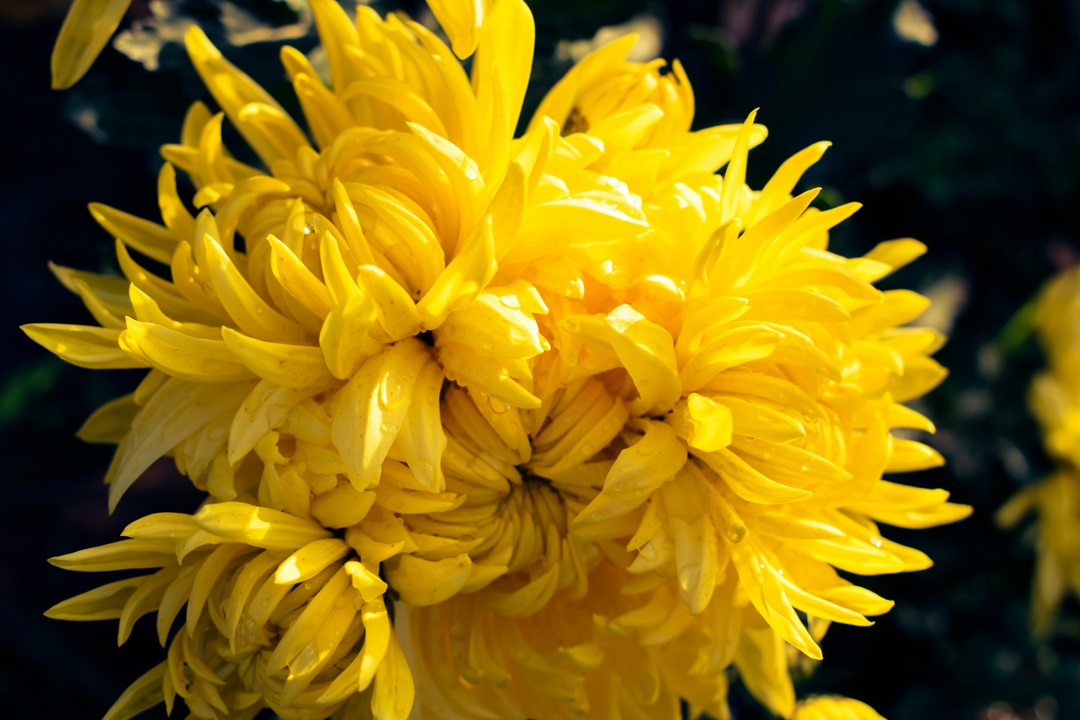
| – November: Chrysanthemum – Longevity, joy, optimism | |
| – December: Narcissus – Rebirth, renewal, self-love | |
| Invented First Time | The concept dates back to ancient Rome, with further standardization during the Victorian era in the 19th century. |
| Wikipedia | …/wiki/Birth_flower |
The Origins of Birth Month Flowers
The tradition of associating flowers with specific months dates back centuries, with roots in ancient civilizations. The Romans were among the first to link flowers to the months of the year, believing each flower had a special significance and protective power. This practice evolved over time, influenced by religious, cultural, and social factors, and spread worldwide.
Historical Background
In ancient Rome, people often used flowers in religious rituals and as offerings to gods and goddesses. Each month had its own floral associations, believed to bring good fortune and protection. For example, people dedicated May to the goddess Maia and often used the lily of the valley, a flower associated with purity and humility, in ceremonies honoring her.
The Meaning Behind Birth Month Flowers
Birth-month flowers offer more than just aesthetic appeal — they carry symbolic meanings tied to personalities, occasions, and personal identity. Each month’s assigned bloom embodies distinct traits: for example, January’s flower may symbolize admiration and fidelity, while May’s may stand for purity and sweetness. Choosing a birth-month flower as a gift or home accent can deepen sentimental value, making it a thoughtful and personalized gesture. Many people enjoy using these flowers to mark birthdays, anniversaries, or milestones, because they connect the floral beauty with a personal or emotional meaning unique to the recipient’s birth month. This tradition bridges nature and identity, offering a way to celebrate heritage, personality, and the cycles of life through floral symbolism.
Evolution Over Time
As the Roman Empire expanded, so did the tradition of birth month flowers. Various cultures adopted and adapted it, each adding their unique interpretations and meanings. During the Victorian era in England, the language of flowers, or “floriography,” became a popular means of communication, with specific flowers and arrangements conveying messages and emotions. This period solidified the connection between certain flowers and particular months, creating a standardized list we often reference today.
Birth Month Flowers in Western Cultures
In Western cultures, people have embraced birth month flowers as part of birthday celebrations and personal identity. They believe each flower holds a special significance, reflecting the characteristics and traits of individuals born in that month.
Europe
In Europe, folklore and mythology deeply root the tradition of birth month flowers. For instance, people link the daisy, associated with April, to purity and innocence. In ancient Germanic mythology, the daisy was sacred to the goddess Freya, symbolizing love, beauty, and fertility. Similarly, the Celts revered the marigold, associated with October, for its protective qualities. They often used it in rituals to honor the dead.
North America
In North America, the concept of birth month flowers gained popularity through the influence of European settlers. Over time, people made these flowers integral to birthday celebrations, often using them in bouquets and decorations. The rose, June’s birth flower, is a prime example, symbolizing love and passion. Its significance is further amplified by its frequent use in American celebrations, such as weddings and anniversaries.
Influences
Historical events and artistic movements also shape the cultural significance of birth month flowers in Western societies. The Romantic era, with its emphasis on nature and emotion, played a crucial role in popularizing the symbolism of flowers. Additionally, the global spread of European traditions through colonization and cultural exchange helped to embed these floral associations in various regions.
Birth Month Flowers in Eastern Cultures
Eastern cultures offer a rich tapestry of meanings and traditions surrounding birth month flowers. In many Asian societies, people appreciate flowers not only for their beauty but also for their symbolic and medicinal properties.
Asia
In China, cultural and spiritual beliefs deeply intertwine with flowers. The chrysanthemum, November’s birth flower, symbolizes longevity and immortality. It is also associated with the Confucian virtue of humility and is celebrated during the Double Ninth Festival. Similarly, in Japan, the cherry blossom, which represents April, symbolizes transient beauty and the fleeting nature of life, celebrated during the annual Hanami festival.
In India, marigolds, linked to October, hold significant religious and cultural importance. Hindu rituals and festivals, such as Diwali and weddings, commonly use them, symbolizing purity and auspiciousness, often tying each flower’s significance to ancient texts and mythology, enriching their cultural value.
Middle East
In Middle Eastern cultures, flowers are vital in traditional practices and symbolism. The lily, associated with May, receives reverence for its purity and beauty. Ancient Persia used the lily to symbolize renewal, featuring it prominently in New Year celebrations known as Nowruz. Similarly, the narcissus, associated with December, celebrates its beauty and fragrance, frequently appearing in poetry and literature as a symbol of love and rebirth.
Unique Traditions
Eastern cultures often have unique traditions highlighting the importance of birth month flowers. For example, in Korea, the lotus, associated with July, symbolizes purity and spiritual enlightenment. Art frequently depicts it and incorporates it into ceremonies. These traditions showcase the deep connection between flowers and cultural identity in the East.
Birth Month Flowers in Indigenous Cultures
Indigenous cultures worldwide also hold flowers in high regard, often attributing them to spiritual and medicinal properties. These traditions provide a unique perspective on the cultural significance of birth month flowers.
Africa
Many African cultures use flowers in traditional healing practices and rituals. They believe the African violet, associated with February, brings healing and protection. Some tribal communities use it in ceremonies to invoke the blessings of their ancestors. The protea, linked to November, symbolizes change and transformation, reflecting its role in local mythology and folklore.
Native American Cultures
Native American tribes deeply connect flowers to the natural world and spiritual beliefs. The sunflower, associated with August, symbolizes harvest and bounty. They often feature it in ceremonies and dances celebrating the earth’s fertility.
People admire the wild rose, associated with June, because it is beautiful and has healing powers. They use it to make different types of medicine.
Australia and the Pacific Islands
In Indigenous cultures of Australia and the Pacific Islands, flowers are integral to cultural rituals and storytelling. The waratah, associated with September, symbolizes strength and resilience and often features in Aboriginal art and mythology. In Hawaii, the hibiscus, linked to May, symbolizes beauty and hospitality, and people frequently use it in leis and traditional ceremonies.
Symbolism and Meanings of Birth Month Flowers
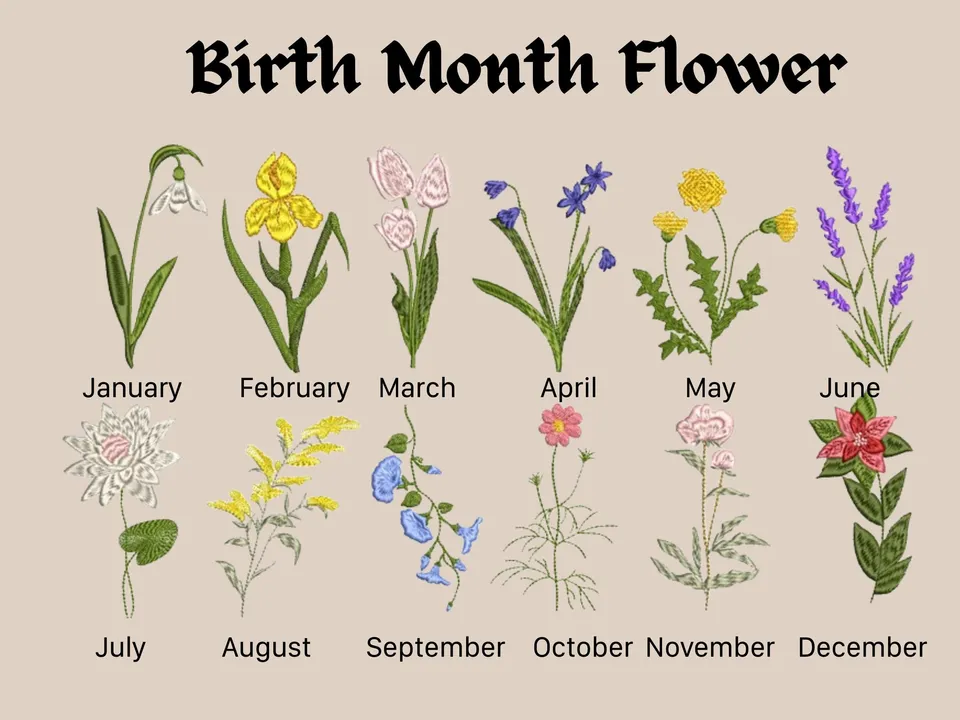
Each birth month flower carries unique symbolism and meaning, reflecting cultural beliefs and traditions worldwide. Here is a brief overview of the flowers for each month and their cultural significance.
January to June
- January: Carnations symbolize love, fascination, and distinction. Many cultures also associate them with admiration and gratitude.
- February: Violet – Represents faithfulness, humility, and spiritual wisdom. It is often connected with being humble and having good qualities.
- March: The daffodil symbolizes rebirth, new beginnings, and eternal life. In various cultures, it is a symbol of hope and renewal.
- April: Daisy – Symbolizes purity, innocence, and true love. It is often connected with being simple and humble.
- May: Lily – Represents purity, beauty, and refined elegance. Many cultures also link it to fertility and motherhood.
- June: Rose symbolizes love, passion, and beauty. It is significant culturally in celebrations and romantic expressions.
July to December
- July: Larkspur – Represents lightness, swiftness, and an open heart. Many people often connect it with feeling happy and carefree.
- August: Gladiolus – Symbolizes strength, integrity, and infatuation. It is a symbol of moral character and perseverance.
- September: Aster – Signifies love, wisdom, and faith. Many people often link it with patience and gracefulness.
- October: Marigold represents warmth, creativity, and passion. Many cultures connect it to the sun and its ability to give life.
- November: Chrysanthemum – Symbolizes longevity, joy, and optimism. It is a symbol of happiness and well-being.
- December: Narcissus – Represents rebirth, renewal, and self-love. It often links with the start of a new year and a fresh beginning.
Common Themes
Despite regional differences, there are common themes in the symbolism of birth month flowers. Many flowers represent love, purity, and starting over, showing what people feel and experience everywhere. These shared themes highlight the deep connection between flowers and cultural identity across the globe.
Modern Interpretations and Uses
In contemporary society, the flowers of the birth month hold significant cultural and personal value. People often use them in parties, art, and special gifts, showing that they still matter.
Popularity in Contemporary Celebrations
People often put birth month flowers in birthday bouquets, wedding decorations, and other parties. Their symbolism adds a personalized touch to these events, making them more meaningful and memorable. For example, a bouquet of roses for a June birthday or a chrysanthemum arrangement for a November wedding can convey specific sentiments and well wishes.
Influence on Art and Media
Art, literature, and media also reflect the cultural significance of birth month flowers.Many artists and writers draw inspiration from the symbolism of these flowers, creating works that resonate with audiences worldwide. Floral motifs are prevalent in paintings, poetry, and even fashion, showcasing the timeless appeal of birth month flowers.
Personalization and Gifts
In the age of personalization, birth month flowers offer a unique way to create customized gifts and decorations. From birthstone jewelry featuring floral designs to home decor items adorned with birth month flowers, these symbols provide a meaningful and thoughtful way to celebrate individuality and personal connections.
Read More:- Sustainable Gardening with Pink Flowering Trees: Tips for Eco-Conscious Gardeners
Conclusion
The cultural significance of native a birth month flowers is a fascinating topic that spans continents and centuries. From their origins in ancient civilizations to their modern-day uses in celebrations and art, these flowers hold a special place in our hearts and minds. By understanding the rich symbolism and traditions associated with birth month flowers, we can appreciate their beauty and meaning on a deeper level, connecting us to our cultural heritage and the natural world.
Apart from this, if you are interested to read an amazing article on Cozy Earth Bamboo Sheets, then explore our “Home Improvement” category.
Frequently Asked Questions (FAQs)
The tradition of birth month flowers originated in ancient civilizations, particularly among the Romans. They believed each flower had special significance and protective powers associated with specific months. This practice evolved over time, influenced by various cultures and historical events, leading to the modern-day association of particular flowers with each month.
Birth month flowers hold different meanings and significance across cultures. In Western cultures, people often associate these flowers with personal traits and use them in celebrations such as birthdays and weddings. In Eastern cultures, people deeply intertwine flowers with spiritual beliefs and medicinal properties.
Indigenous cultures may use birth month flowers in traditional healing practices and rituals. Each region adds unique interpretations, enriching the global tapestry of floral symbolism.
Common themes in the symbolism of birth month flowers include love, purity, new beginnings, and beauty. Despite regional differences, these themes reflect universal human experiences and emotions, highlighting the deep connection between flowers and cultural identity. For instance, many flowers associate with renewal, fertility, and spiritual enlightenment.
Today, people use birth month flowers often in celebrations such as birthdays, weddings, and anniversaries. People often put them in bouquets and decorations to make these events special and unique. Birth month flowers inspire art, literature, and customized gifts, such as jewelry and home decor, making celebrations more meaningful and memorable.
Regular cleaning and inspection are crucial for effective fly management. Aim to clean high-traffic areas like the kitchen and dining spaces daily, promptly addressing food scraps and spills. Throw garbage away often, and keep bins clean and covered.