Introduction
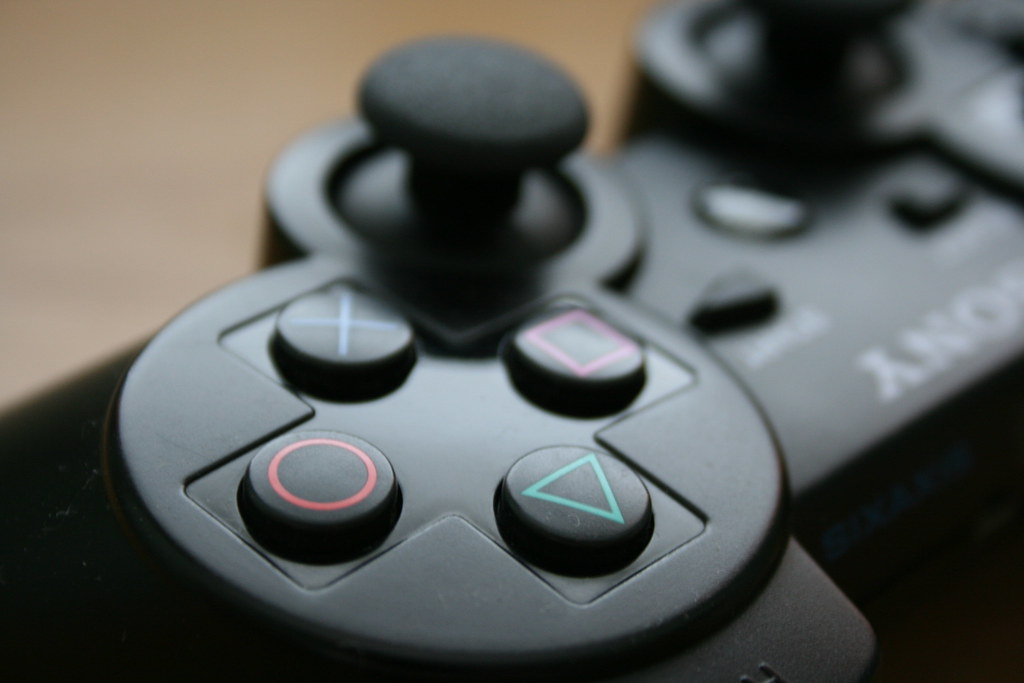
The PlayStation 3 (PS3), a gaming marvel released by Sony in 2006, revolutionized the gaming world with its high-definition graphics, a Blu-ray player, and an extensive library of games. It’s no wonder many gamers are eager to experience the magic of PS3 on their PCs. This article is a deep dive into the world of PS3 emulators, uncovering its intriguing history, its intricate process, the top-notch emulators available, and most importantly, the legal and ethical considerations that should steer our use of emulators.
History of PS3 Emulation
The journey of PS3 emulation began shortly after the console’s release, but it wasn’t until several years later that significant progress was made. Early attempts were hampered by the PS3’s sophisticated architecture and the sheer power required to emulate its performance accurately. However, more capable emulators emerged with PC hardware and software development advancements.
Milestones in PS3 Emulation
2008-2011: Initial efforts focused on understanding the PS3’s hardware and creating rudimentary emulators that could barely run simple homebrew applications.
2012-2014: The development of RPCS3, one of the most successful PS3 emulators, began. Early versions showed promise but needed more compatibility and performance.
2015-Present: Continuous updates to RPCS3 have vastly improved its capabilities, allowing it to run many commercial PS3 games with varying degrees of success.
Unlocking the Full Potential of Playing PS3 Games on Your PC
Using a PS3 emulator allows your computer to function as a powerful platform for experiencing the PlayStation 3’s extensive game library without needing the original console. Modern emulation software has become advanced enough to support a wide range of PS3 titles, offering smoother gameplay, customizable controls, save-state options, and graphical enhancements that can even surpass the visual quality of the original hardware. By translating the PS3’s complex architecture into something compatible with today’s PCs, these emulators give players the flexibility to adjust performance settings, upscale resolution, and enjoy classic games with greater stability — provided their system meets the necessary CPU and GPU requirements. For many users, it’s an accessible way to revisit beloved titles with improved performance and convenience.
Leading PS3 Emulators
RPCS3:RPCS3 is the most prominent and widely used PS3 emulator. This open-source project has garnered significant community support and development contributions. Here are some key features and aspects of RPCS3:
Compatibility: RPCS3 can run over 60% of the PS3’s game library to varying degrees of playability, with many popular titles achieving near-perfect emulation.
Performance: While a high-end PC is recommended for the best experience, RPCS3 is optimized to run efficiently on various hardware setups.
User Interface: The emulator boasts a user-friendly interface, making it accessible to novice and experienced users.
Customization: RPCS3 offers a wide array of settings and configurations, allowing users to tweak performance and graphical fidelity to their liking.
Other Emulators: While RPCS3 is the frontrunner, other PS3 emulators exist, albeit with less support and development activity. These include:
PS3F: A lesser-known emulator with limited compatibility and performance.
Short Waves: Another early development emulator that focuses on homebrew applications rather than commercial games.
Setting Up a PS3 Emulator
System Requirements
Running a PS3 emulator effectively requires a powerful PC. Here are the recommended specifications for RPCS3:
CPU: A high-performance multi-core processor (e.g., Intel i5/i7 or AMD Ryzen 5/7).
GPU: A modern graphics card with Vulkan or DirectX 12 support (e.g., NVIDIA GTX 1060/AMD RX 580 or better).
RAM: At least 8GB, though 16GB or more is preferable.
Storage: A solid-state drive (SSD) for faster game loading times.
Installation and Configuration
Download RPCS3: Obtain the latest version from the official RPCS3 website.
Firmware Installation: Download the official PS3 firmware from Sony’s website and install it via RPCS3.
Game Dumping: You can legally dump your PS3 game discs or digital copies using a compatible PS3 console or a Blu-ray drive on your PC.
Configuration: You can adjust the emulator settings, including resolution, frame rate limits, and controller configuration, to suit your hardware and preferences.
Legal and Ethical Considerations
Emulating PS3 games raises several legal and ethical questions:
Game Ownership: It is legal to emulate games you own, provided you dump the game data yourself. Downloading pirated copies of games is illegal.
Firmware: Downloading the official PS3 firmware from Sony’s website is legal, but distributing it without permission is not.
Community Impact: Emulation can preserve gaming history and provide access to no longer available games. However, it can also impact the sales of re-released or remastered versions of games.
PS3 Emulator
Emulation mimics one system’s hardware and software environment (in this case, the PS3) on a different system. This allows users to run software (games) designed for the original system on the emulator. PS3 emulation involves replicating the complex architecture of the console, including its Cell Broadband Engine CPU and RSX Reality Synthesizer GPU, which is no small feat due to the PS3’s unique and robust hardware design.
PS3 Emulator characteristics
Ryu
Ryu, the iconic martial artist from Capcom’s Street Fighter series, first appeared in the original “Street Fighter” game released in 1987. Known for his disciplined and balanced playstyle, Ryu excels in offense and defense, making him a versatile choice for players of all skill levels. His signature moves, such as the Hadouken, Shoryuken, and Tatsumaki Senpukyaku, emphasize his mastery of the Shotokan karate technique, allowing him to adapt to various combat situations and maintain a strategic edge over opponents. Ryu’s design and moveset have become staples in fighting games, embodying the essence of a dedicated and relentless warrior, offering a thrilling gameplay experience.
Ken
Ken Masters, a charismatic and fiery martial artist, first appeared alongside his best friend and rival Ryu in Capcom’s original “Street Fighter” game 1987. His fighting style, rooted in Shotokan karate but influenced by his flamboyant personality, emphasizes quick, powerful strikes and relentless pressure, allowing him to overwhelm opponents with his dynamic and unpredictable attacks. Ken’s evolution has cemented him as a beloved and iconic figure in the fighting game community.
Chun-Li
Chun-Li, the first female fighter in Capcom’s Street Fighter series, debuted in “Street Fighter II: The World Warrior” in 1991, quickly becoming an iconic character in the gaming world. Renowned for her lightning-fast kicks and agile movements, Chun-Li’s playstyle emphasizes speed, flexibility, and a blend of offensive and defensive maneuvers.
Guile
Guile, the stoic and disciplined American fighter, first appeared in Capcom’s “Street Fighter II: The World Warrior” in 1991. As a United States Air Force member, Guile’s playstyle is defined by his strategic and systematic approach to combat, utilizing a blend of powerful strikes and defensive techniques. His signature moves, such as the Sonic Boom and Flash Kick, highlight his ability to control space and maintain pressure on his opponents while staying prepared for counterattacks. Finding his missing comrade Charlie adds an emotional depth to his character, reinforcing his image as a determined and honorable warrior within the Street Fighter series.
Blank9ja
Blanka, the wild and enigmatic green-skinned fighter, debuted in Capcom’s “Street Fighter II: The World Warrior” in 1991. Originating from the Brazilian jungle, Blanka’s playstyle is as unconventional and unpredictable as his appearance, characterized by his feral agility and electric attacks. His signature moves, such as the Electric Thunder and Rolling Attack, exploit his unique abilities to surprise and overwhelm opponents with sudden bursts of energy and rapid, rolling strikes.
Dhalsim
Dhalsim, the mystic yogi from India, first appeared in Capcom’s “Street Fighter II: The World Warrior” in 1991. Known for his calm demeanor and spiritual background, Dhalsim’s playstyle is defined by his unique ability to stretch his limbs and his mastery of fire-based attacks. His signature moves, such as the Yoga Fire, Yoga Flame, and his long-reaching Yoga Stretch, allow him to control the battlefield from a distance, keeping opponents at bay with his extensive range and projectile attacks.
Dee Jay
Dee Jay, the upbeat and rhythm-loving fighter, first appeared in Capcom’s “Super Street Fighter II” in 1993. As a Jamaican kickboxer and musician, Dee Jay’s playstyle is as dynamic and energetic as his personality, blending rhythmic, dance-like movements with powerful martial arts techniques. His signature moves, such as the Max Out projectile and the Double Rolling Sobat, highlight his ability to control the tempo of a match with swift, unpredictable attacks that keep opponents on their toes.
E. Honda
E. Honda, the sumo wrestling powerhouse, first appeared in Capcom’s “Street Fighter II: The World Warrior” in 1991. As a proud Japanese sumo wrestler, Honda’s playstyle embodies his sport’s brute strength and imposing presence. His signature moves, such as the Hundred Hand Slap and the Sumo Headbutt, leverage his immense power and mastery of sumo techniques to deliver rapid, high-impact attacks that can overwhelm opponents with sheer force. E. Honda’s defensive capabilities are equally formidable, allowing him to effectively absorb and counter incoming strikes.
Zangief
Zangief, the imposing “Red Cyclone” from Russia, first appeared in Capcom’s “Street Fighter II: The World Warrior” in 1991. Renowned for his colossal physique and mastery of wrestling techniques, Zangief’s playstyle revolves around close-quarters combat and powerful grappling maneuvers. His signature moves, such as the Spinning Piledriver and the Banishing Flat, highlight his ability to grab and throw opponents with devastating force, making him a fearsome adversary at close range. Zangief’s playstyle emphasizes patience and precise timing as he waits to unleash his punishing throws and strikes.
Cammy
Cammy White, the fierce and agile British Special Forces operative, first appeared in Capcom’s “Super Street Fighter II: The New Challengers” in 1993. Trained as a deadly assassin under the shadowy Shad Aloo organization, Cammy’s playstyle is defined by her lightning-fast strikes, acrobatic maneuvers, and precise footwork. Her signature moves, such as the Spiral Arrow and Cannon Spike, showcase her exceptional speed and agility, allowing her to swiftly close the distance on opponents and deliver rapid, punishing attacks.
Juri
Juri Han, the cunning and sadistic Taekwondo specialist, debuted in Capcom’s “Super Street Fighter IV” in 2010. As a South Korean agent of the criminal organization S.I.N., Juri’s playstyle is characterized by her agile and unpredictable movements and her use of sinister ki-powered attacks. Her unique abilities, such as the Fuhajin (Fireball) and Senpusha (Pinwheel), allow her to maintain pressure from a distance while swiftly closing in for devastating close-range assaults.
Luke
Luke’s gameplay encourages a versatile approach, allowing players to adapt to different situations with a combination of fast-paced combos and strategic positioning. His backstory as a rising star in martial arts, driven by a desire to test his skills against the best fighters, adds depth to his character. Luke’s introduction to the Street Fighter universe marks an exciting new chapter, offering players a fresh and dynamic fighter to master and explore in the evolving competitive gaming landscape.
Jamie
Jamie is the first new character to be revealed in Street Fighter 6. He uses a combination of drunk boxing and capoeira. You can sip from his gourd throughout the game to enhance attacks or unlock new special moves. Thus, a vital component of the gameplay is managing this resource.
Kimberly
The ninja role in Street Fighter 6. She borrowed some moves from Bushin Master Guy. But Kimberly has some new tricks: her paint cans can create problematic mismatches with a delayed explosion. Her teleports allow her to stay near her opponent at all times.
Manon
Manon and Abel, the characters from Street Fighter IV, are more alike than just French citizens. They are both grapplers as well. But the dancer has good mobility and some long-range normals in addition to her command grabs.
Marisa
Newcomer Marisa is ideal if you want your characters to slay it on the dance floor. The enormous gladiator uses super armor to demolish her opponents’ attacks with forceful blows. She reminds me of Street Fighter V’s enormous Abigail. She also has some moves similar to those of Gill, the leader of the Illuminati.
Lily
The small Lily, who shares a tribe with T. Hawk, employs special moves similar to those of the powerful grappler. She possesses Condor Dive as well as Condor Spire. She does, of course, also have a command grab. Her capacity to cover a wide area with her wooden weapons, however, is what makes her unique. Her trick is that she can build up wind to make her moves better.
Read More:- Skate 4: Everything You Need to Know About the Latest Installment
Conclusion
PS3 emulation has come a long way since its early days, thanks to the dedication of the development community and advancements in PC hardware. RPCS3 stands out as the premier emulator, offering impressive compatibility and performance. While the legal landscape requires careful navigation, emulating PS3 games allows gamers to revisit beloved titles and experience them in new ways. As technology continues to evolve, the future of PS3 emulation looks bright, promising even greater accuracy and accessibility for gamers worldwide.
Apart from that if you want to know about “Street Fighter 6 Characters (images included of all): An In-Depth Look More Info” then please visit our “GAMING” Category
FAQs
RPCS3 is the best PS3 emulator due to its extensive compatibility and robust performance.
It depends on your PC’s specifications. Modern multi-core processors and dedicated GPUs are recommended for optimal performance.
Emulators are legal, but using them to play games without owning the original copies can be illegal.
The emulator itself is legal. However, downloading game files you don’t own is not. Players should use legally obtained game backups from discs or digital purchases they already own.
No emulator supports 100% of the PS3 library, but many popular titles run well. Compatibility varies, with some games performing perfectly, others needing tweaks, and a few not working at all.