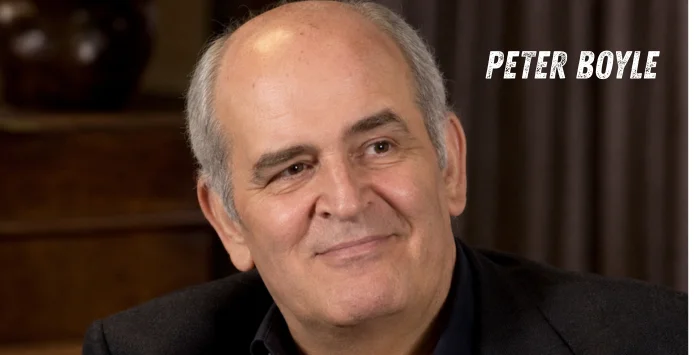
Few actors could move from an intimidating dramatic role to broad comedy as convincingly as Boyle did. His screen career covered more than three decades and reached several generations of viewers. Peter Boyle was an American character actor best remembered as Frank Barone on Everybody Loves Raymond and the Monster in Young Frankenstein. Our guide to Complete Guide To Recusal covers this in more detail.
His career stretched across comedy, drama, film, television, and theater. He won a Primetime Emmy for The X-Files and died in 2006 at age 71.
| Key fact about Peter Boyle | Details |
| Born | October 18, 1935 |
| Birthplace | Norristown, Pennsylvania |
| Profession | Actor |
| Famous TV role | Frank Barone in Everybody Loves Raymond |
| Famous film role | The Monster in Young Frankenstein |
| Other notable films | Joe, The Candidate, Taxi Driver, Monster’s Ball |
| Major TV award | Primetime Emmy for The X-Files |
| Wife | Loraine Alterman |
| Children | Two daughters, Lucy and Amy |
| Died | December 12, 2006 |
| Age at death | 71 |
| Reported cause | Multiple myeloma and heart disease |
Key takeaways
- Boyle built his reputation by playing intense dramatic characters before becoming widely known for comedy.
- Young Frankenstein proved that his imposing screen presence could be used for humor as effectively as drama.
- Frank Barone made him familiar to a large television audience during the nine-season run of Everybody Loves Raymond.
- He received seven Emmy nominations for playing Frank, but his sole Primetime Emmy win came from The X-Files.
- His personal life included a long marriage to journalist Loraine Alterman and an unexpected friendship with John Lennon.
Why Peter Boyle Still Stands Out
Boyle was a character actor in the strongest sense of the term. He did not depend on a single role or genre. His filmography includes angry working men, criminals, comic monsters, police officers, fathers, authority figures, and eccentric supporting characters. That range helps explain why different audiences remember him for completely different performances.
Film fans may picture the Monster in Young Frankenstein. Television viewers often remember Frank Barone first. Others recognize him as the Wizard from Martin Scorsese’s Taxi Driver. The contrast between those parts is a useful way to understand his career. Boyle could appear threatening without becoming flat or predictable. He could also make a difficult character funny without removing the character’s rough edges.
Early Life Before Hollywood
Boyle was born in Norristown, Pennsylvania, on October 18, 1935, and grew up around Philadelphia. His father became known locally for television work, so performance was not completely foreign to the family. His path into acting was not direct. He attended La Salle and spent time with the Christian Brothers, a religious order, before deciding that religious life was not right for him. He later moved to New York and studied acting with respected teacher Uta Hagen.
Years of training and small jobs followed. He toured with a production of Neil Simon’s The Odd Couple before joining Chicago’s Second City. The comedy company gave him experience in satire and live performance before his film career accelerated. That early stage matters because it explains part of his later versatility. He was not trained only as a dramatic screen actor. His background also included theater, improvisation, and comedy.
The Role in Joe That Changed His Career
The 1970 film Joe became an early turning point. Boyle played the title character, an angry and prejudiced working-class man. The performance established him as a forceful screen presence and brought wider attention to his work. The danger of such a memorable performance is typecasting. His physical presence and intensity made him easy to imagine in harsh or intimidating parts. Yet the next stages of his career showed that he had much more range.
Films such as The Candidate and The Friends of Eddie Coyle strengthened his standing as a dependable dramatic character actor. By the middle of the decade, audiences were about to see a different side of him.
Young Frankenstein Revealed His Comic Range
Mel Brooks cast Boyle as the Monster in the 1974 comedy Young Frankenstein. Gene Wilder played Dr. Frederick Frankenstein, while Marty Feldman, Cloris Leachman, Teri Garr, and Madeline Kahn rounded out the central cast. The Monster gave Boyle an unusual comic challenge. Much of the performance depended on movement, facial reactions, timing, and physical comedy. His size, which had helped make earlier characters intimidating, became part of the joke.
The famous stage sequence involving “Puttin’ on the Ritz” remains closely associated with the film. More broadly, the role demonstrated that Boyle could turn an imposing appearance into warm, absurd comedy. The movie also affected his personal life. He met journalist Loraine Alterman while she was visiting the production. Their relationship continued long after the film became a comedy classic.
Seven Roles That Show His Career Range
A short list of credits shows how widely Boyle moved between genres and character types.
| Production | Year | Role or significance |
| Joe | 1970 | Breakthrough dramatic role |
| The Candidate | 1972 | Political drama |
| Young Frankenstein | 1974 | The Monster |
| Taxi Driver | 1976 | Wizard, a fellow cab driver |
| The X-Files | 1995 | Clyde Bruckman |
| Everybody Loves Raymond | 1996, 2005 | Frank Barone |
| Monster’s Ball | 2001 | Supporting dramatic role |
His later film credits also included While You Were Sleeping, Dr. Dolittle, Scooby-Doo 2: Monsters Unleashed, and the Santa Clause films. Those projects kept him visible to audiences well beyond the films that established his reputation. Readers interested in another actor whose career crossed television, film, and other creative work can explore EvoBlogs’ Jensen Ackles career profile.
Frank Barone Made Him a Television Favorite
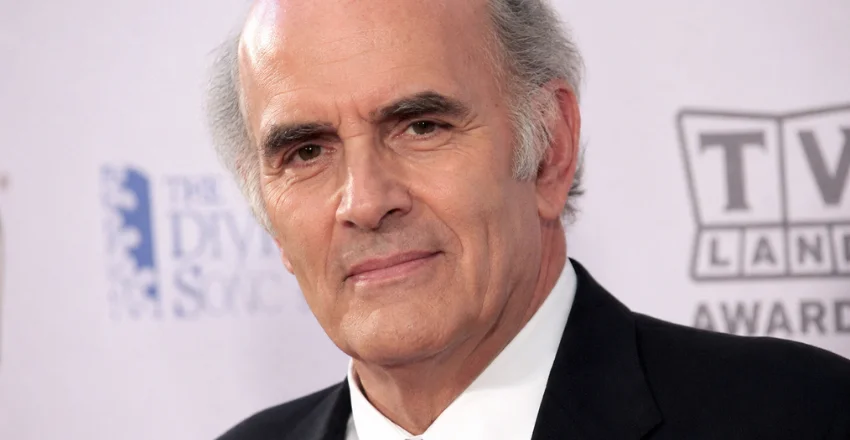
Boyle joined Everybody Loves Raymond as Frank Barone, father of Ray and Robert Barone. The CBS sitcom ran from 1996 through 2005, and Frank became the role most closely connected with Boyle’s later career. Frank was blunt, stubborn, impatient, and frequently insulting. The writing gave Boyle plenty of opportunities for sharp comic timing. Yet the character could also show affection, vulnerability, or unexpected tenderness.
That combination kept Frank from becoming a one-note sitcom father. Boyle could make a sarcastic remark land and then shift the mood with a small expression or quieter moment. His work earned seven consecutive Primetime Emmy nominations for Outstanding Supporting Actor in a Comedy Series between 1999 and 2005. He never won that category, even though several of his co-stars received Emmys for the show.
Long-running television roles often define an actor’s public image, as the Emily Deschanel career feature also illustrates.
His Emmy Win Came From The X-Files
One of the more interesting facts about Boyle’s awards history is that his Emmy did not come from his performance as Frank Barone. He won Outstanding Guest Actor in a Drama Series in 1996 for The X-Files. He played Clyde Bruckman, an insurance salesman with an unsettling ability to foresee how people will die. The role mixed sadness, dry humor, and supernatural drama.
The Television Academy records 10 Primetime Emmy nominations throughout his career and 1 win. Those nominations included work on Tail Gunner Joe, Midnight Caller, The X-Files, and Everybody Loves Raymond. That awards history captures his range simply. The same performer could receive recognition for drama, guest work, television movies, and sitcom comedy.
Wife, Children, and His Connection to John Lennon
Boyle met Loraine Alterman while Young Frankenstein was being made. Alterman was a journalist, and the couple married in 1977. They remained married until his death and had two daughters, Lucy and Amy. Their wedding also produced one of the most repeated stories from his personal life. Through Alterman and her friendship with Yoko Ono, Boyle became friends with John Lennon. Lennon served as best man at the wedding. You might also like Amado Carrillo Fuentes.
The friendship may seem surprising to viewers who primarily associate the actor with gruff on-screen characters. His off-screen life was less predictable than the roles that first made him famous. That gap between public image and private personality is part of what makes older interviews with him interesting. He could discuss comedy, politics, religion, acting, and friendship with a perspective far removed from Frank Barone.
Serious Health Problems During His Later Career
Boyle dealt with major health issues before his final illness. He suffered a stroke in 1990 that affected his speech for months. He recovered and returned to acting. In 1999, he suffered a heart attack while working on Everybody Loves Raymond. He recovered again and continued playing Frank through the end of the series.
Those episodes make the length of his later career more striking. He continued performing through significant medical setbacks and remained part of a demanding network sitcom schedule.
His Death in 2006
Boyle died on December 12, 2006, at New York-Presbyterian Hospital. He was 71. Contemporary reports said he had been suffering from multiple myeloma and heart disease. His death came about a year and a half after Everybody Loves Raymond aired its final episode. Several projects from the end of his career were still reaching audiences around that period.
The loss was felt strongly by former cast members. His television work had made him familiar to millions, but colleagues also remembered the actor behind the character.
Why His Legacy Still Matters
The easiest way to describe Boyle’s legacy is through contrast. He could play an angry factory worker, a comic monster, a weary cab driver, a psychic insurance salesman, and a cranky sitcom father. Few careers are defined by such different characters. His performances did not erase the roughness of those roles. Instead, he often found humor or humanity inside people who could have been played as simple stereotypes.
That makes his work useful for viewers discovering older films as well as fans returning to familiar television shows. A role from 1970 and one from 2000 can feel like the work of two different performers. His career also shows why character actors can be as memorable as conventional leading stars. They may not always carry the story, but they can give a film or series much of its personality.
For another entertainment career built across several creative fields, readers can also visit EvoBlogs’ Grace Jones career and legacy profile.
Keep Exploring Classic Screen Careers
Boyle’s work rewards more than one kind of viewer. Start with Young Frankenstein for comedy, then move to Joe or Taxi Driver to see his dramatic side, and finally watch Everybody Loves Raymond to see how his timing developed on television. That sequence shows the range behind a familiar face. It also explains why a supporting performer became one of the most recognizable character actors of his generation.
Frequently Asked Questions
He was best known to many television viewers as Frank Barone on Everybody Loves Raymond. Film audiences also remember him as the Monster in Mel Brooks’s Young Frankenstein. Earlier dramatic roles included Joe, The Candidate, and Taxi Driver.
Yes. Boyle played the Monster in the 1974 Mel Brooks comedy opposite Gene Wilder. The performance became one of the most recognizable film roles of his career.
No. He received seven supporting-actor Emmy nominations for Frank Barone but did not win for that role. His Primetime Emmy victory came from his guest performance as Clyde Bruckman on The X-Files.
He was married to journalist Loraine Alterman. They met while making Young Frankenstein, married in 1977, and had two daughters.
Yes. Boyle became friends with Lennon through Loraine Alterman and her connection with Yoko Ono. Lennon served as best man when the couple married in 1977.
He died at age 71 on December 12, 2006. Reports from the period stated that he had been suffering from multiple myeloma and heart disease.