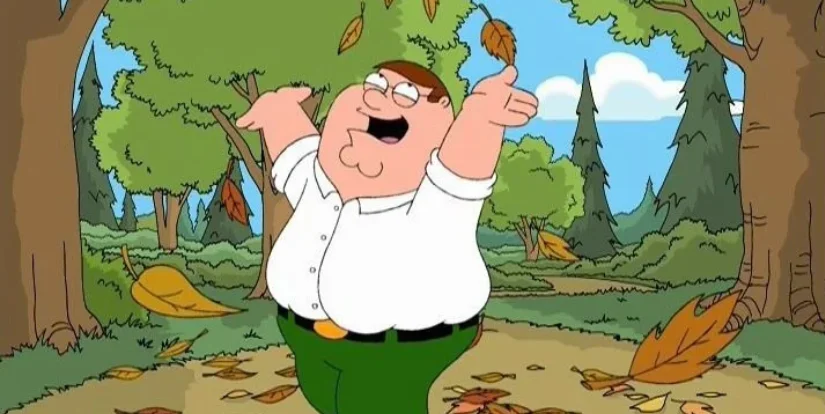
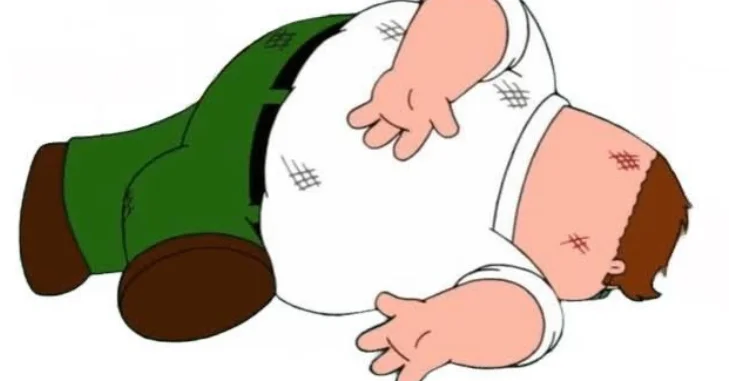
The Peter Griffin fall is the famous Family Guy staircase scene that became the “Family Guy death pose” meme. Peter tumbles down newly replaced stairs and lands with his limbs twisted behind him. The exaggerated landing later became a reusable image for failure, defeat, and cartoon-level disaster.
The scene comes from “The Blind Side,” Season 10, Episode 11 of Family Guy. It aired in the United States on January 15, 2012. Years of clips, redraws, gaming references, and reaction images turned the moment into an internet staple.
Direct answer: The famous staircase meme comes from Family Guy Season 10, Episode 11, “The Blind Side.” Peter repeatedly slips on newly replaced stairs and lands in the recognizable death pose. The image spread through video uploads, edits, redraws, gaming references, and reaction memes after the episode aired in 2012.
| Key fact | Details |
|---|---|
| Meme | Family Guy Death Pose / Peter Falls Down the Stairs |
| Show | *Family Guy* |
| Episode | “The Blind Side” |
| Season and episode | Season 10, Episode 11 |
| U.S. air date | January 15, 2012 |
| Main gag | Peter repeatedly falls on newly replaced stairs |
| Meme style | Reaction image, redraw, video edit, gaming reference |
| Common meaning | Total defeat, painful failure, or exaggerated exhaustion |
Key takeaways
- The best-known staircase scene aired in 2012.
- Fans commonly call the landing the “Family Guy death pose.”
- The pose appears in edits, fan art, games, and reaction posts.
- The staircase meme is different from Peter’s famous hurt-knee gag.
- A proposed Highlander connection remains unconfirmed.
Peter Griffin Fall Origin: What Episode Is the Meme From?
The Peter Griffin Fall best-known version appears in “The Blind Side,” an episode from the show’s tenth season. Lois replaces the family staircase after Stewie gets a splinter from the old wood. The smoother replacement creates a recurring problem when Peter tries walking downstairs.
Peter slips from the top and crashes down the steps while shouting during the fall. He eventually lands in the contorted pose associated with the meme. Later attempts to handle the stairs lead to more falls and extend the running joke.
Some online pages attach the pose to other episodes because similar injury poses recur throughout the series. That can make the meme’s origin appear less clear than it is. The 2012 staircase sequence remains the widely cited source for the viral version.
Why the Death Pose Became More Famous Than the Fall
The final image gives the joke a recognizable visual signature. Peter lies twisted on the floor in a posture that looks dramatically worse than the accident. That contrast makes the frame useful even without the original dialogue or episode.
The pose also communicates an emotion almost instantly. It can mean someone lost badly, failed a simple task, or feels completely exhausted. A creator can replace Peter with another character while preserving the joke.
That flexibility helped the image travel far beyond television clips. Know Your Meme documents redraws, video edits, and game-related versions across several years. The Daily Dot also notes recreations involving characters and gaming communities.
Readers interested in how television moments gain a second life online may also enjoy EvoBlogs’ coverage of Quiet on Set and television history. That article looks at another corner of television culture and audience memory. It provides useful background for readers exploring entertainment beyond a single meme.
How the Family Guy Death Pose Spread Online
Clips of the staircase sequence appeared online after the episode aired. Know Your Meme reports that uploads attracted millions of views during the following years. Editors then began changing sounds, visuals, and game elements around the original fall.
The still image proved even easier to reuse. Artists could redraw another character in the same position without copying the whole scene. Gamers also noticed characters landing in poses that resembled the familiar television frame.
One notable mainstream reference involved Sonic the Hedgehog. Promotional material for The Murder of Sonic the Hedgehog showed Sonic in a similar defeated position. Fans quickly connected the image with the familiar Family Guy pose.
That pattern explains much of the meme’s staying power. People do not need the original episode to understand the visual joke. New characters and situations can refresh the format for another audience.
Why the Meme Works So Well
The humor starts with exaggerated physical comedy. The fall looks painful, yet the result is presented with cartoon logic instead of realistic consequences. Peter can suffer an absurd crash and continue the episode shortly afterward.
The landing is also unusually specific. A normal character lying on the ground would be harder to recognize outside its original scene. The twisted arms and raised leg give this pose an identifiable silhouette.
The meme also works without much text. A single picture can communicate “I’m finished” or “that went badly.” That makes it suitable for gaming losses, school jokes, workplace reactions, and everyday mishaps.
EvoBlogs readers who enjoy comedy history can also explore its Peter Boyle biography and career overview. Boyle’s work reflects a different period and style of screen comedy. Both topics show how memorable performances can remain recognizable long after their original release.
The Staircase Meme Is Not the Hurt-Knee Gag
People sometimes combine two separate Family Guy jokes in discussions about Peter getting injured. The death pose centers on the striking visual after a severe-looking fall. The knee gag focuses on a long, repetitive reaction to pain.
In the knee sequence, the humor depends on Peter holding his injured knee. He repeatedly inhales and groans while the moment continues far longer than expected. The staircase gag instead gets much of its identity from the final body position.
This distinction matters when searching for the original clip or meme template. Searching for the knee gag may return a different scene and sound. Searching for the death pose usually leads back to the staircase sequence and its redraws.
Was the Pose Inspired by Highlander?
A similar body position appeared in the television series Highlander before the 2012 episode. Know Your Meme documents a comparison with Season 5, Episode 19 from 1997. The visual resemblance has led fans to suggest a possible connection.
There is no confirmed evidence that the animation was intentionally copied from that scene. The connection should therefore be treated as fan speculation. Calling Highlander the definite source would go beyond the available evidence.
This detail is useful because several articles repeat the theory without that distinction. The safest description is that an earlier similar pose exists. Whether it directly inspired the animated gag remains unknown.
Why the Pose Still Appears in Internet Culture
A strong reaction meme survives when people understand it before reading an explanation. This image meets that test because its exaggerated defeat is clear immediately. It also works with characters from unrelated franchises.
Gaming communities have helped keep the reference recognizable. Fans post screenshots when ragdoll physics produce a similar position. Others deliberately recreate the stance through artwork, mods, animation, or staged images.
Modern meme culture also favors formats that can be remixed quickly. The death pose needs little setup and can appear after almost any fictional disaster. Its meaning remains clear even when the original character disappears.
For more entertainment coverage, EvoBlogs also profiles television performers such as Jensen Ackles and his screen career. Exploring different shows and performers helps place viral television moments within broader pop culture. It also gives readers another route into EvoBlogs’ entertainment content.
How People Use the Meme
The meme usually represents exaggerated defeat rather than actual death. Someone might post it after losing a game, missing a deadline, or making an embarrassing mistake. The humor comes from treating a small setback like a catastrophic cartoon accident.
Video editors can use the falling clip for a similar purpose. The impacts and final pose give an ordinary failure a dramatic ending. Still-image versions work better when the joke depends on the character’s defeated position.
Redraws are another common variation. Artists place characters from games, anime, cartoons, or other franchises in the same recognizable stance. The new character changes, but the visual punchline stays familiar.
Frequently Asked Questions
What episode is the Peter Griffin fall from?
The famous staircase version comes from “The Blind Side,” Season 10, Episode 11. It aired in the United States on January 15, 2012. The episode features repeated falls after Lois replaces the family’s old staircase.
What is the Peter Griffin death pose?
It is the contorted position associated with characters getting badly hurt in Family Guy. The most famous meme example follows the staircase fall in “The Blind Side.” Fans later recreated the pose through redraws, edits, and gaming references.
Why is it called the Family Guy death pose?
The fan nickname describes how lifeless and badly injured the character appears. Peter is not dead after the famous staircase scene. He gets back up, which makes the dramatic landing more absurd.
Is the death pose the same as the Peter knee meme?
No, they are separate injury gags. The knee joke centers on repeated groaning after hurting his knee. The staircase meme is identified mainly by the distinctive final pose.
Did Highlander inspire the meme?
A 1997 Highlander scene contains a visually similar body position. Fans have proposed that it may have influenced the animation. No confirmed evidence currently establishes a direct connection.
The Lasting Appeal of the Family Guy Fall
The meme lasted because one cartoon frame can communicate a complete reaction. Its exaggerated posture turns ordinary failure into immediate visual comedy. Viewers can understand the joke without knowing every detail of the episode.
The original scene also has enough context to reward curious fans. Finding the episode explains why the stairs became a recurring problem and why the fall repeats. Online culture then transformed that short television gag into a flexible reaction format.
Explore EvoBlogs’ entertainment coverage for more stories about television, performers, and memorable pop-culture moments. The best entertainment references often outlive the scenes that created them. This staircase gag is a clear example of that process.