When choosing flooring for your home, the options can be overwhelming. Hardwood, carpet, tile, and vinyl are just a few of the popular choices. However, one material that has been gaining attention for its numerous benefits is linoleum. Although linoleum flooring has been around for over a century, it is experiencing a resurgence in popularity due to its durability, eco-friendliness, and versatility. This article will explore the benefits of linoleum flooring and why it is a top choice for homeowners.
| Linoleum Flooring Design Types: | Patterns, Colors, Textures, Custom Designs |
| Companies who do Linoleum Flooring: | Forbo Flooring, Armstrong Flooring, Tarkett |
| Linoleum Flooring Tiles: | Available in various sizes, easy installation, flexible design options |
| Color Options: | Wide range of colors, from vibrant to neutral tones |
| Linoleum Flooring Prices: | $2 to $5 per square foot, varies by quality and design |
| Linoleum Flooring vs Vinyl Flooring: | Linoleum: natural, eco-friendly, durable; Vinyl: synthetic, less eco-friendly, cheaper |
| Benefits: | Durable, eco-friendly, low maintenance, hypoallergenic, versatile design |
| Wikipedia: | …/wiki/Linoleum |
Durability and Longevity
One of the most significant advanced health advantages of linoleum flooring is its durability. Linoleum is incredibly resilient and can withstand heavy foot traffic, making it an excellent choice for high-traffic areas such as kitchens, hallways, and living rooms. Unlike other flooring materials, linoleum cannot easily dent or scratch to maintain its appearance for many years.
Linoleum flooring is a standout performer in terms of longevity. With proper care and maintenance, linoleum floors can last between 20 and 40 years. This lifespan is comparable to, or even longer than, many other flooring options, such as vinyl or carpet. Linoleum is an excellent investment for homeowners looking for a long-term flooring solution.
Eco-Friendly and Sustainable
In today’s environmentally conscious world, a product’s eco-friendliness is a significant consideration for many homeowners. Linoleum flooring is made from natural, renewable materials such as linseed oil, cork dust, wood flour, and natural pigments. This composition makes linoleum a biodegradable and environmentally sustainable option.
Unlike vinyl flooring, made from synthetic materials and can release harmful chemicals into the environment, linoleum is a low-impact choice that contributes to a healthier planet. Homeowners can reduce their carbon footprint by choosing linoleum flooring and positively impacting the environment.
Cost-Effective Solution
Another critical benefit of linoleum flooring is its cost-effectiveness. When compared to other flooring options, linoleum is often more affordable. The initial cost of linoleum is typically lower than that of hardwood or tile, making it an attractive option for budget-conscious homeowners.
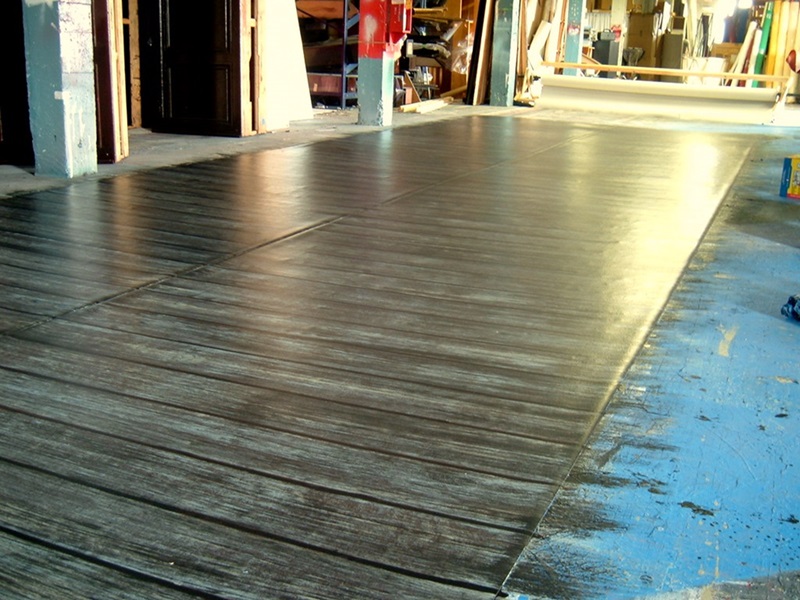
In addition to its lower upfront cost, linoleum’s durability and low maintenance requirements contribute to long-term savings. Because linoleum floors are less likely to need repairs or replacements over time, homeowners can save money on maintenance and replacement costs. This combination of affordability and longevity makes linoleum flooring an intelligent financial choice.
Low Maintenance Requirements
Linoleum flooring is known for being easy to maintain. Regular cleaning typically involves sweeping or vacuuming to remove dust and debris, followed by a damp mop with a mild cleaning solution. Unlike carpet, which can trap dirt and allergens, or hardwood, which may require refinishing, linoleum is relatively hassle-free.
Linoleum’s resistance to stains and water damage further simplifies maintenance. Spills can be quickly wiped up without leaving a lasting mark, and the material’s water-resistant properties make it suitable for areas like kitchens and bathrooms. With minimal effort, homeowners can keep their linoleum floors looking clean and fresh.
Aesthetic Versatility
Linoleum flooring complements any decor style and is available in a wide range of colors, patterns, and designs. Whether you prefer a classic look or a modern aesthetic, a linoleum option suits your taste. Its ability to mimic materials like wood or stone adds versatility.
Variety of Design Options
One of the most appealing aspects of linoleum flooring is the wide range of design options available. Linoleum comes in many colors, patterns, and styles, allowing homeowners to choose a look that complements their home’s decor. Whether you prefer a classic marble look, a vibrant geometric pattern, or a subtle, neutral tone, a linoleum option suits your taste.
In addition to its various colors and patterns, linoleum can mimic the appearance of more expensive materials such as stone or wood. This versatility allows homeowners to achieve the desired aesthetic without the high cost of premium materials. Customization options, including unique designs or logos, add to the linoleum’s appeal.
Enhancing Indoor Air Quality with Linoleum Flooring
Choosing linoleum flooring can significantly enhance indoor air quality, making it an excellent option for health-conscious homeowners. Unlike many synthetic flooring materials, linoleum is made from natural, non-toxic ingredients such as linseed oil, wood flour, and cork dust. This natural composition means that linoleum does not emit harmful volatile organic compounds (VOCs), often found in other flooring options, and can contribute to indoor air pollution.
The absence of VOCs ensures that the air inside the home remains cleaner and healthier, reducing the risk of respiratory issues and allergies. Moreover, linoleum’s hypoallergenic properties further enhance its appeal for those with sensitivities. It resists the buildup of dust, pet dander, and other common allergens, creating a safer and more comfortable living environment.
Linoleum provides a flooring solution that supports overall well-being for households with children, elderly residents, or individuals with asthma or allergies. Additionally, linoleum’s easy-to-clean surface helps maintain its hypoallergenic benefits over time, as regular sweeping and mopping can efficiently remove any allergens that accumulate.
Comfort and Safety
Comfort and safety are essential when choosing flooring, especially for homes with children or elderly residents. Thanks to its slight cushioning effect, linoleum flooring provides a comfortable surface. This softness makes it more forgiving underfoot than complex materials like tile or hardwood, reducing fatigue and discomfort.
Hypoallergenic Properties
Linoleum flooring is an excellent option for individuals with allergies or sensitivities. Its natural composition inhibits the growth of bacteria, mold, and mildew. Additionally, it does not trap dust or allergens, contributing to better indoor air quality.
Health Benefits
Linoleum flooring offers several health benefits, making it an ideal choice for homeowners concerned about indoor air quality and allergens. Linoleum is hypoallergenic and resistant to dust and pet dander, which can benefit individuals with allergies or asthma. Unlike carpets, which can harbor allergens, linoleum provides a cleaner, healthier living environment.
Another health benefit of linoleum is its contribution to indoor air quality. Because linoleum is made from natural materials and does not emit harmful volatile organic compounds (VOCs), it is a safer option for indoor spaces. This is especially important for households with young children, pets, or individuals with respiratory conditions.
Versatility in Applications
Linoleum flooring’s versatility makes it suitable for a variety of applications, both residential and commercial. In homes, linoleum is an excellent choice for kitchens, bathrooms, living areas, and even bedrooms. Its durability and ease of maintenance make it a practical option for any room in the house.
Linoleum’s resilience and design flexibility make it a popular choice for commercial spaces, such as offices, retail stores, healthcare facilities, and educational institutions in commercial spaces. Its ability to withstand heavy use and easy-to-clean surface are particularly valuable in high-traffic environments.
Easy Installation
Linoleum flooring is relatively easy to install, which can save on labor costs. It can be installed as sheets or tiles, and there are options for both glue-down and floating installations. This flexibility allows for quicker installation times and minimal disruption.
Linoleum flooring also offers flexibility in installation options. Homeowners can choose from sheets, tiles, or click-lock systems, depending on their preferences and the specific requirements of their space. This adaptability further enhances linoleum’s appeal as a versatile flooring solution.
Linoleum Flooring: A Unique Aesthetic Appeal
In addition to its practical benefits, linoleum flooring offers a unique aesthetic appeal that sets it apart from other flooring options. Its natural composition allows for a rich depth of color and pattern, often unmatched by synthetic materials. Homeowners can choose from many vibrant hues and intricate designs, making it easy to create a personalized look that reflects their style.
Furthermore, linoleum can be installed in creative patterns, such as checkerboard or herringbone, adding a sophisticated touch to any room. This versatility in design is particularly advantageous for those looking to make a bold statement or seamlessly blend the flooring with existing decor.
Beyond its visual appeal, linoleum’s ability to mimic high-end materials like marble or wood offers an affordable way to achieve a luxurious look. This combination of beauty and functionality makes linoleum a compelling choice for modern interiors.
Additionally, as more homeowners prioritize sustainable living, the appeal of linoleum’s eco-friendly properties continues to grow. It’s natural ingredients, and biodegradable nature resonates with those looking to reduce their environmental footprint, making linoleum a practical choice and a responsible one for the conscientious consumer.
Linoleum Flooring: A Versatile Choice for Every Room
Linoleum flooring’s versatility makes it an ideal choice for virtually every room in the house. In kitchens and bathrooms, its water-resistant properties provide a practical solution for areas prone to spills and humidity, while its anti-slip surface ensures safety. In living rooms and bedrooms, the comfortable, slightly cushioned texture of linoleum offers a cozy feel underfoot, enhancing the comfort of these spaces.
For high-traffic areas like hallways and entryways, linoleum’s durability stands up to daily wear and tear, maintaining its appearance despite constant use. Additionally, linoleum’s extensive range of colors and patterns allows for creative expression, enabling homeowners to tailor the flooring to their unique design vision.
Whether opting for bold, vibrant patterns to make a statement or subtle, natural tones to create a serene environment, linoleum adapts to any aesthetic preference. Its ability to mimic more expensive materials provides an affordable way to achieve high-end looks, such as stone or wood, without breaking the bank.
This adaptability, combined with its environmental benefits and ease of maintenance, solidifies linoleum as a versatile, all-purpose flooring solution suitable for any room in the home.
Linoleum Flooring: An Eco-Friendly Investment
Investing in linoleum flooring is not only a smart choice for your home but also an environmentally responsible decision. Linoleum’s natural composition, including ingredients like linseed oil, wood flour, and cork dust, means that it is biodegradable and does not contribute to landfill waste like many synthetic flooring materials. This sustainability factor is particularly appealing to eco-conscious homeowners looking to reduce their environmental footprint. Additionally, the production process for linoleum is less harmful to the environment compared to the manufacturing of vinyl or other synthetic floors. It requires less energy and produces fewer pollutants, making it a greener option from production to disposal. Beyond its eco-friendly production, linoleum flooring also contributes to a healthier living environment by not emitting harmful volatile organic compounds (VOCs), which can degrade indoor air quality. This lack of VOC emissions helps create a safer, cleaner indoor space, beneficial for all household members, particularly those with respiratory issues or allergies. By choosing linoleum flooring, homeowners are making a long-term investment in both the durability of their home and the health of the planet. This dual benefit of sustainability and practicality makes linoleum flooring a compelling choice for modern, environmentally conscious living.
Read More: – Why the Egg Chair is Perfect for Both Indoor and Outdoor Relaxation?
Conclusion
Linoleum flooring has numerous benefits that make it a top choice for homeowners. Its durability and longevity ensure that it can withstand the demands of daily life while maintaining its appearance for many years. As an eco-friendly and sustainable option, linoleum is an excellent choice for those looking to reduce their environmental impact. The cost-effectiveness, low maintenance requirements, and variety of design options add to its appeal.
In addition to these practical benefits, linoleum offers comfort and safety, contributing to a healthier and more comfortable living environment. Its application versatility makes it suitable for a wide range of settings, from residential homes to commercial spaces.
Apart from this, if you are curious to read another interesting article on Mother’s Day Card Ideas, then explore our “Home Improvement” category.
Frequently Asked Questions (FAQs)
Linoleum flooring is made from natural, renewable materials such as linseed oil, cork dust, wood flour, and natural pigments. These components are biodegradable, reducing the environmental impact compared to synthetic flooring options.
Linoleum maintenance is straightforward, involving regular sweeping and damp mopping. It also resists stains and water damage better than many other flooring types, making it a low-maintenance.
Indeed, linoleum flooring suits high-moisture areas such as bathrooms and kitchens. Its water-resistant properties help prevent water damage, and its anti-slip surface provides added safety in these spaces.
Linoleum flooring is comfortable underfoot due to its slight cushioning effect, which reduces fatigue and discomfort compared to more challenging surfaces like tile or hardwood.
With proper maintenance, linoleum can last 20–40 years. Its durability comes from its natural composition and resilient structure, which makes it suitable for high-traffic areas.