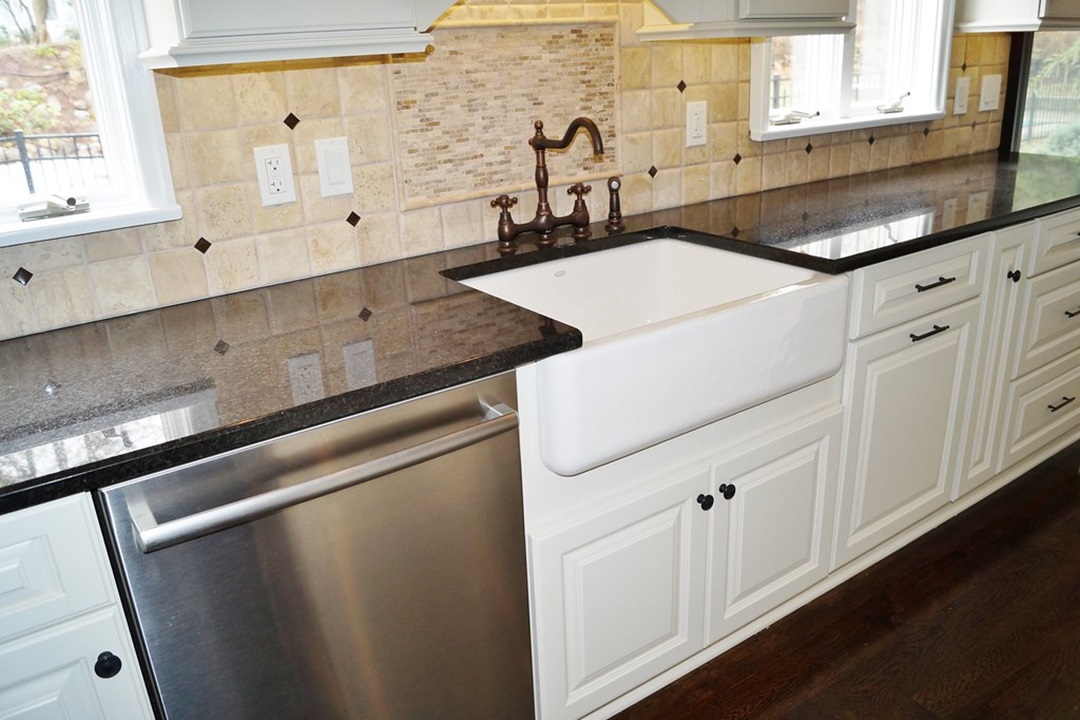
Introductlion
The kitchen is often called the heart of the home, where culinary magic happens, and families gather. As such, it deserves thoughtful design and functional elements that enhance its aesthetic appeal and practicality. One such element that has gained significant popularity is the farmhouse sink. Farmhouse sinks blend traditional charm and modern functionality as they are known for their deep basins and apron fronts. This comprehensive guide will delve into the history, benefits, selection, installation, and maintenance of farmhouse sinks, concluding with answers to common questions.
| Farmhouse Sink Design Types | Single-bowl, Double-bowl, Triple-bowl, Undermount, Topmount, Flush Mount |
| Companies who make Farmhouse Sinks | Kohler, Kraus, Blanco, Ruvati, Elkay, Bocchi, Sinkology |
| Color Options | White, Black, Stainless Steel, Copper, Granite, Fireclay, Matte Black |
| Farmhouse Sink Prices | Range from $300 to $1500+. |
| Farmhouse Sink Vs Apron Sink | Farmhouse sink often refers to the same as an apron sink; both have exposed fronts. |
| Benefits | Deep basin, Aesthetic appeal, Versatility, Ergonomic design, Increased home value |
Why a Farmhouse Sink Can Transform Your Kitchen
A farmhouse sink — recognized by its distinctive apron-front design and deep, wide basin — offers homeowners a blend of practicality and timeless style. Its large, deep bowl makes washing oversized pots, baking trays, or even large batches of dishes far easier than with a standard sink; this space and ease of use is especially appreciated by frequent cooks, large households, or anyone seeking efficiency in kitchen cleanup. The apron-front also brings ergonomic benefits: because the sink front sits flush or slightly beyond the cabinetry, users don’t have to lean over as much, reducing strain on the back and making daily chores more comfortable. Visually, the exposed front and clean lines of a farmhouse sink serve as a striking focal point, adding rustic charm or modern elegance depending on the material and finish — whether classic fireclay, stainless steel, or composite. For many kitchens, this blend of function and form turns the farmhouse sink into much more than a utility device — it becomes a central, defining feature of the room.
The History of Farmhouse Sinks
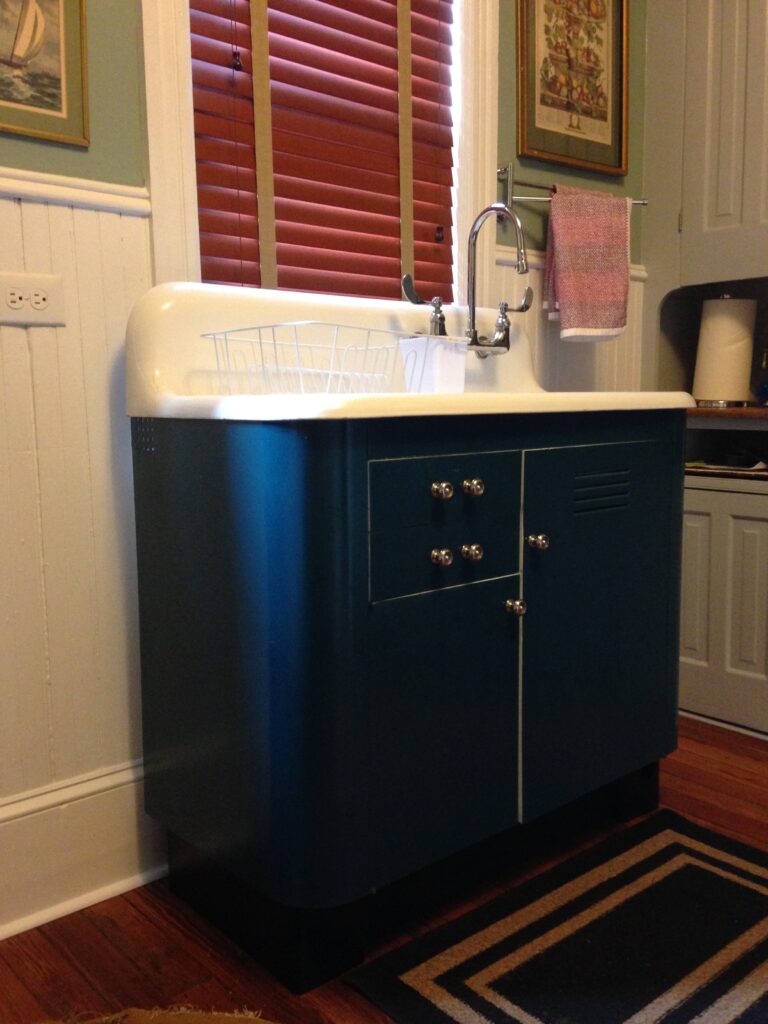
Farmhouse sinks, also known as apron-front sinks, have a rich history that dates back to the late 17th century in Europe. These sinks were originally designed to hold large amounts of water for various household chores, from washing dishes to laundry and bathing children. Their deep basins and ergonomic design made them ……..indispensable in rural homes where water was often drawn from wells.
In the early 20th century, these sinks became popular in American farmhouses, leading to their current name. These sinks were built to withstand heavy use, as they are made from durable materials such as fireclay and cast iron. Today, farmhouse sinks are celebrated not only for their practical benefits but also for their timeless appeal, fitting seamlessly into both traditional and modern kitchens.
Benefits of Installing a Farmhouse Sink
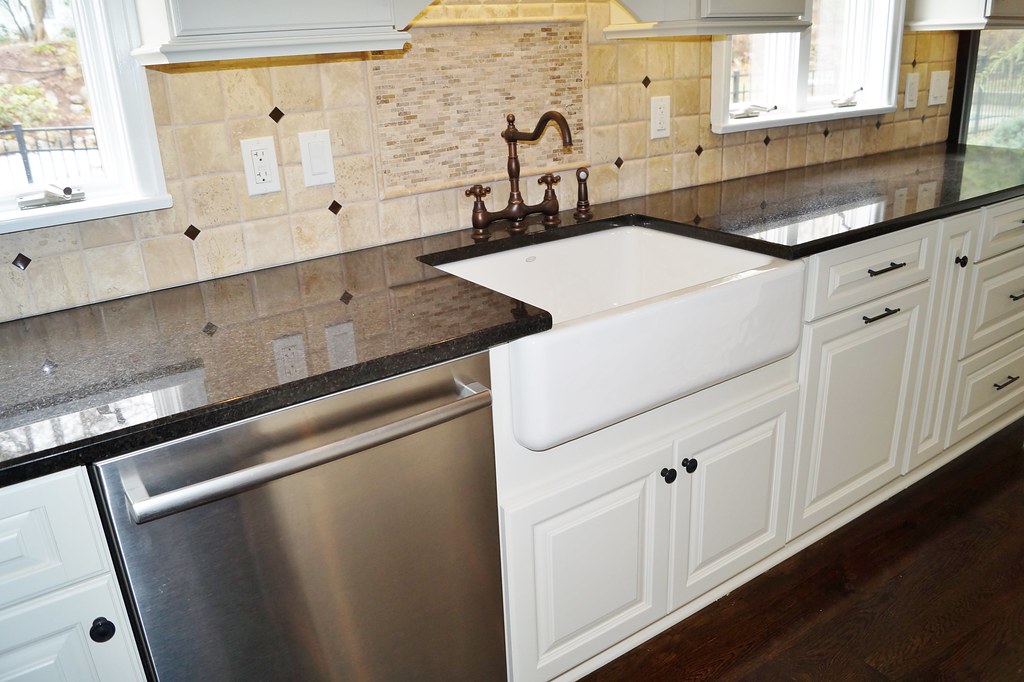
Aesthetic Appeal
One of the main attractions of a farmhouse sink is its aesthetic appeal. The distinctive apron-front design adds a touch of elegance and sophistication to any kitchen. Whether your kitchen has a rustic, traditional, or contemporary style, a farmhouse sink can be a stunning focal point.
Deep Basin
Farmhouse sinks are known for their deep basins, which provide ample space for washing large pots, pans, and dishes. This feature particularly benefits avid cooks and those who frequently host gatherings. The deep basin also helps contain splashes, keeping your countertops cleaner.
Ergonomic Design
The forward-facing design of a farmhouse sink allows you to stand closer to the sink without leaning over the countertop. This ergonomic advantage reduces strain on your back and makes kitchen tasks more comfortable, especially during prolonged periods of use.
Versatility
Farmhouse sinks are versatile and come in various materials, sizes, and styles. Whether you prefer the classic look of a white fireclay sink or the modern appeal of a stainless steel or copper sink, there is a farmhouse sink to suit your preferences and complement your kitchen decor.
Increased Home Value
Investing in a farmhouse sink can increase the value of your home. Prospective buyers often appreciate the functionality and style of farmhouse sinks, and a well-chosen sink can make your kitchen stand out in the real estate market.
Picking the Best Farmhouse Sink for Your Kitchen
Several factors should be considered when selecting a farmhouse sink for your kitchen to ensure you make the best choice for your needs and preferences.
Material
Farmhouse sinks are available in various materials, each with unique characteristics and benefits.
Fireclay: Fireclay sinks are made from molded clay fired at high temperatures, resulting in a durable, non-porous surface. They are resistant to scratches, stains, and chips, making them an excellent choice for busy kitchens.
Cast Iron: Cast iron sinks are coated with a layer of enamel, giving them a glossy and smooth finish. “They are very strong and can handle a lot of use.” However, they can be heavy and require additional support during installation.
Stainless Steel: Stainless steel farmhouse sinks are modern and sleek, offering a contemporary look. They are lightweight, easy to clean, and resistant to rust and corrosion. However, they may be prone to scratches and water spots.
Copper: Copper sinks add a warm and rustic charm to any kitchen. They have natural antimicrobial properties and develop a unique patina over time. However, they require regular maintenance to keep their appearance intact.
Granite Composite: Granite composite sinks are made from granite stone dust and acrylic resins. They are highly durable, resistant to scratches and stains, and available in various colors and finishes.
Size and Configuration
Farmhouse sinks come in various sizes and configurations to suit different kitchen layouts and needs. The most common sizes range from 24 inches to 36 inches in width. When choosing the size of your sink, consider the size of your kitchen, the amount of counter space available, and your typical usage patterns.
Single-bowl farmhouse sinks have one large basin, providing ample space for washing large items. Double-bowl sinks have two compartments, allowing you to separate tasks such as washing and rinsing. Some sinks even feature a triple-bowl configuration for added versatility.
Installation Type
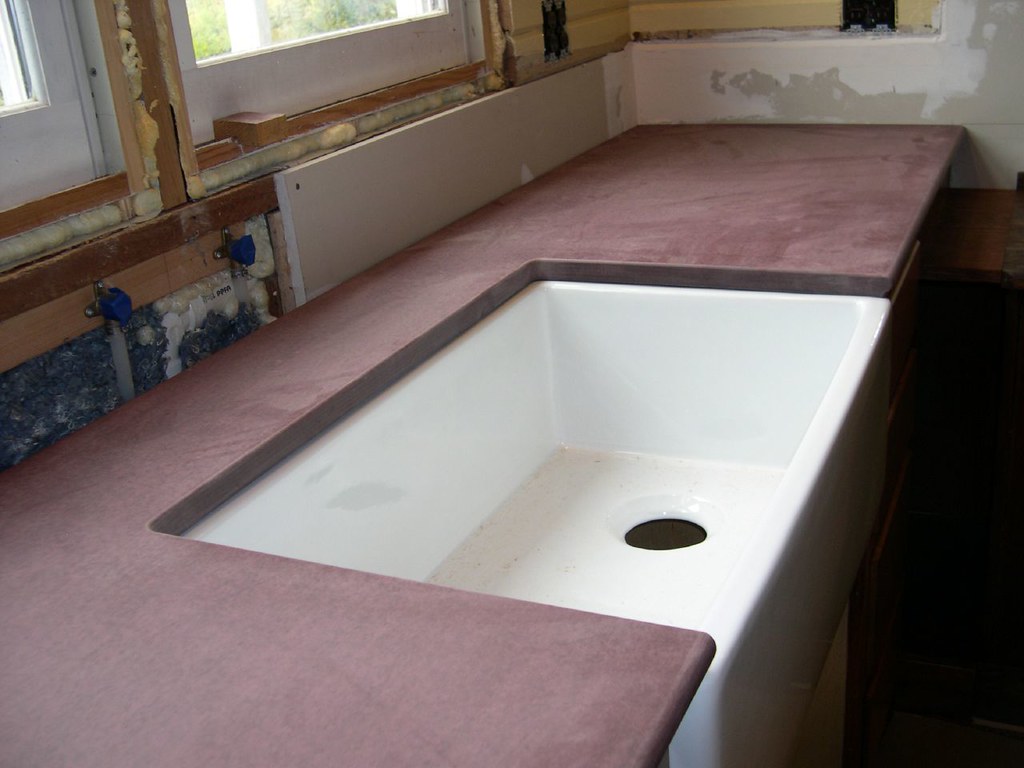
Farmhouse sinks can be installed in several ways, depending on your kitchen design and personal preference.
Undermount: Undermount installation involves mounting the sink below the countertop, creating a seamless and streamlined look. This installation type is ideal for modern kitchens and provides easy cleaning as there are no edges to trap debris.
Topmount: Topmount installation, also known as drop-in, involves placing the sink on top of the countertop with the edges resting on the counter surface. This installation type is easier and more cost-effective. Still, it may provide a different sleek appearance than an under-mount sink.
Flush Mount: A flush mount installation involves installing the sink so that it sits flush with the countertop surface. This type of installation combines the benefits of both under-mount and top-mount installations, offering a clean look and easy maintenance.
Additional Features
Consider any additional features that may enhance the functionality and convenience of your farmhouse sink.
Apron Design: The apron in front of a farmhouse sink can be smooth, fluted, or embellished with decorative patterns. Pick a style that matches how your kitchen looks.
Accessories: Many farmhouse sinks have cutting boards, drying racks, and colanders. These accessories can increase the sink’s versatility and make kitchen tasks more efficient.
Drain Placement: Some farmhouse sinks have rear drain placements, which provide more usable space in the basin and allow for better under-sink storage.
Installation Process of a Farmhouse Sink
Installing a farmhouse sink can be a rewarding DIY project but requires careful planning and execution. Here are the general steps involved in installing a farmhouse sink:
Step 1: Measure and Prepare
Measure the dimensions of your new farmhouse sink and ensure it will fit in your existing countertop or the designated space. If necessary, remove the old sink and countertop and prepare the cabinet base to accommodate the new sink. It involves cutting the front of the cabinet to allow the apron front of the farmhouse sink to fit snugly.
Step 2: Add Support
Farmhouse sinks are typically heavier than standard sinks, especially if made from materials like fireclay or cast iron. Ensure the cabinet has adequate support to hold the weight of the sink. You may need to reinforce the cabinet base with additional wooden supports or brackets.
Step 3: Install the Sink
Carefully place the sink into the prepared opening, ensuring it sits level and flush with the countertop. Some farmhouse sinks come with installation kits, including mounting hardware to secure the sink. Follow the manufacturer’s instructions for installing the sink securely.
Step 4: Connect Plumbing
Connect the sink to the existing plumbing. This includes attaching the drain pipes and connecting the water supply lines to the faucet. Ensure all connections are tight and leak-free. To prevent leaks, use the plumber’s tape on threaded connections.
Step 5: Install the Countertop
Please place a new countertop over the sink and ensure it fits appropriately around its edges. Secure the countertop according to the manufacturer’s instructions. If you’re keeping the existing countertop, you may need to adjust it to fit the farmhouse sink.
Step 6: Seal the Edges
Apply a bead of silicone sealant around the edges where the sink meets the countertop. This will prevent water from seeping into the cabinet below and provide a finished look. Use a caulking tool or your finger to make the sealant smooth and neat.
Step 7: Test for Leaks
Once everything is installed, turn on the water supply and test for leaks. Look at all the connections and joints to see if there are any signs of water leaking. Make any necessary adjustments to ensure the installation is watertight.
Enhancing Your Kitchen with the Right Farmhouse Sink Design
Choosing the right farmhouse sink design can significantly enhance the functionality and aesthetic of your kitchen. Farmhouse sinks, known for their deep basins and exposed fronts, come in various designs such as single-bowl, double-bowl, and triple-bowl configurations. Each design offers unique benefits. Single-bowl sinks provide ample space for washing large pots and pans, making them ideal for avid cooks. Double-bowl sinks, on the other hand, allow for multitasking, enabling you to wash and rinse simultaneously. For those who need even more versatility, triple-bowl sinks offer multiple compartments for different kitchen tasks. Additionally, farmhouse sinks can be installed in several ways, including undermount, topmount, and flush mount, each providing different aesthetic and functional advantages. Companies like Kohler, Kraus, and Blanco offer a wide range of farmhouse sinks in various colors and materials, ensuring that you can find a sink that complements your kitchen’s style. From classic white fireclay to modern stainless steel and rustic copper, the options are plentiful. By selecting the right farmhouse sink design, you not only improve your kitchen’s efficiency but also add a touch of timeless elegance to your home.
Read More: – Why Are Cozy Earth Bamboo Sheets the Best Choice for Comfort and Sustainability?
Conclusion
A farmhouse sink can transform your kitchen, offering functional and aesthetic benefits. With a rich history and various styles and materials, these sinks can fit into any kitchen design, from rustic to modern. By understanding the different types of farmhouse sinks, how to choose the right one, and how to install and maintain it, you can make an informed decision that enhances your kitchen’s beauty and functionality. Whether renovating your kitchen or building a new one, a farmhouse sink is a timeless investment that will serve you well for years.
Are you curious to read an amazing article on pink flowering trees?, then explore our “Home Improvement” category.
Frequently Asked Questions (FAQs)
They typically require a custom or reinforced cabinet base due to their size and weight, but a professional installer can easily manage the process.
They are popular because of their large capacity, ergonomic design, and timeless appearance that suits both modern and traditional kitchens.
A farmhouse sink is a deep, wide sink with an exposed front panel (apron front) designed for easier access and improved functionality in the kitchen.
Generally, yes. Their design, size, and materials often make them pricier than standard sinks, and installation may also add to the cost.
It depends on the layout. While farmhouse sinks are large, compact versions exist, and they can be a functional and stylish option for smaller spaces if cabinet space allows.