Flies are one of the most common household pests. They often infiltrate our homes and outdoor spaces, bringing myriad health risks. They not only cause irritation but also carry diseases that can compromise the well-being of your family. In this comprehensive guide, we will explore how to get rid of flies, the best practices for getting rid of flies indoors and outdoors, ensuring a healthier and more comfortable environment. There is more on this in Common Sources of Indoor Air Pollution and How to Address Them.
| Method | Description | Pros | Cons |
|---|---|---|---|
| Cleanliness | Keep areas clean and free of food debris | Prevents flies from being attracted | Requires consistent effort |
| Garbage Management | Regularly take out trash and keep bins sealed | Reduces breeding sites | Can be inconvenient |
| Screens and Doors | Install screens on windows and doors | Prevents flies from entering | May require installation effort |
| Fly Traps | Use sticky traps or UV light traps | Effective at capturing flies | Needs regular replacement |
| Natural Repellents | Use essential oils like lavender, eucalyptus | Non-toxic, pleasant smell | May need frequent reapplication |
| Vinegar Trap | Create a trap with vinegar and dish soap | Simple and cost-effective | May not catch all flies |
| Fly Spray | Use insecticide sprays | Quick reduction in fly population | Contains chemicals, not always safe |
| Plants | Use fly-repellent plants like basil or mint | Natural and decorative | May not be very effective alone |
| Fly Swatter | Manually swat flies | Immediate effect, no chemicals | Labor-intensive, not practical for large infestations |
| Professional Pest Control | Hire pest control services | Comprehensive and thorough | Can be expensive |
This table provides an overview of various methods to get rid of flies, highlighting the pros and cons of each approach
Understanding the Problem
Types of Flies
Before diving into the solutions, it is essential to understand the types of flies that commonly invade our spaces. The most prevalent species include:
- House Flies: Often found indoors, attracted to food, garbage, and feces.
- Fruit Flies: Small flies that hover around overripe fruits and vegetables.
- Drain Flies: Thrive in moist environments like drains and sewers.
- Gnats: Tiny flies attracted to damp areas and decaying organic matter.
Smart First Steps to Keep Your Home Fly-Free
A key rule when trying to eliminate flies is to make your home as uninviting to them as possible. Start by removing anything that attracts them: take out the garbage regularly, keep trash bins sealed, clean kitchen counters to avoid lingering food residue, and avoid leaving uncovered fruit or organic waste out. Because flies are drawn to moisture and decay, paying close attention to drains, pet areas, and trash zones can significantly reduce their presence. Once cleanliness is under control, you can reinforce your efforts with simple tools like DIY traps—such as a jar with a small amount of vinegar or sugar water—or sticky traps placed near windows and garbage bins. These solutions help capture or deter the flies that make it indoors, creating a cleaner, healthier environment without relying on harsh chemicals.
Why Flies Are Attracted
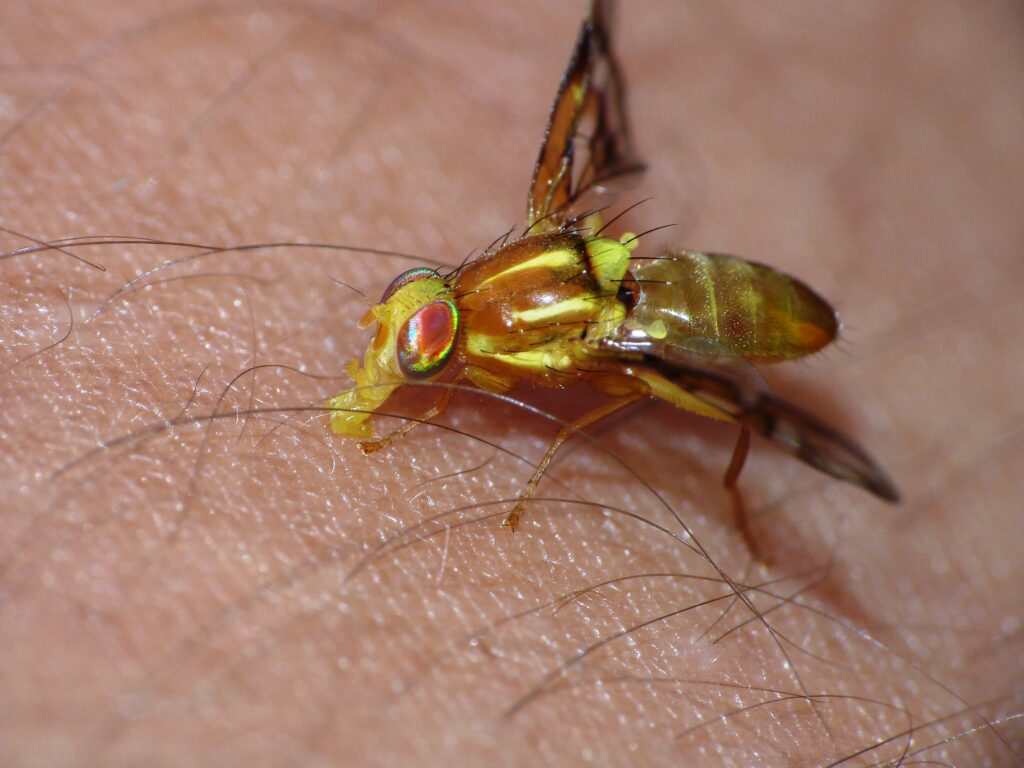
Flies are drawn to various elements in both indoor and outdoor environments. Key attractants include:
- Food: Leftovers, open containers, and food scraps.
- Garbage: Overflowing bins and exposed waste.
- Moisture: Standing water, dampness, and wet surfaces.
- Organic Matter: Decaying plants, compost, and pet waste.
Health Risks
Flies are not just a nuisance; they are carriers of numerous pathogens. Some potential health risks posed by flies include:
- Disease Transmission: Flies can transmit typhoid, cholera, and dysentery.
- Food Contamination: Flies contaminate food with bacteria, leading to foodborne illnesses.
- Allergic Reactions: Some individuals may experience allergic reactions to fly bites.
Indoor Fly Control Methods
Maintain Cleanliness
One of the most effective ways to prevent flies indoors is by maintaining a high level of cleanliness. Here are some essential practices:
- Regular Cleaning: Daily, clean kitchen surfaces, floors, and dining areas to remove food particles and spills.
- Proper Storage: Keep food in sealed containers and refrigerate perishables promptly.
- Garbage Disposal: Use bins with tight-fitting lids and dispose of garbage regularly.
Use of Fly Traps and Baits
Fly traps and baits are practical solutions for reducing fly populations indoors.
- DIY Fly Traps: You can make simple and effective fly traps at home. For example, a shallow dish mix of apple cider vinegar and soap attracts and traps flies.
- Store-Bought Traps: Commercial fly traps, such as sticky tapes and UV light traps, can be strategically placed in fly-prone areas to capture and kill flies.
Sealing Entry Points
Preventing flies from entering your home is crucial.
- Identify Entry Points: Inspect your home for gaps, cracks, and openings around windows, doors, and vents.
- Seal Cracks: Use caulk to seal small openings and weather stripping for doors and windows.
- Install Screens: Fit windows and doors with fine mesh screens to keep flies out while allowing fresh air in.
Natural Repellents
Natural repellents are a safe and effective way to deter flies without harmful chemicals.
- Essential Oils: Eucalyptus, lavender, and peppermint have strong scents that repel flies.You can make a spray by mixing these oils with water and spraying them around windows and doors.
- Herbs: Place pots of fly-repelling herbs like basil, rosemary, and mint around your home can reduce the reproduction of flies.
Electronic Solutions
Electronic fly control devices can help manage indoor fly populations.
- UV Light Traps: These devices attract flies with UV light and trap or kill them. Please place them in dark corners where flies are likely to gather.
- Electronic Fly Swatters: Handheld devices that electrocute flies on contact, providing an immediate solution to individual flies.
Outdoor Fly Control Methods
Yard and Garden Maintenance
Proper yard and garden maintenance can significantly reduce fly breeding sites.
- Remove Trash: Regularly clean trash, fallen fruits, and decaying plant matter.
- Compost Management: Keep compost bins covered and turn them regularly to discourage fly breeding.
- Pet Waste: Promptly clean up pet waste, which can attract flies.
Outdoor Fly Traps
Outdoor fly traps are effective in reducing fly populations around your property.
- DIY Outdoor Fly Traps: A simple outdoor trap can be made using a plastic bottle, sugar water, and a piece of fruit. The flies are attracted to the bait and trapped inside the bottle.
- Commercial Traps: Many commercial outdoor fly traps, including baited traps and fly bags, are available. These traps use attractants to lure flies away from living areas.
Use of Natural Predators
Encouraging natural predators in your garden can help control fly populations.
- Beneficial Insects: Attract insects like dragonflies and spiders that prey on flies.
- Birds: Install bird feeders and baths to attract birds that eat flies.
Organic Repellents
Organic repellents are a safe way to keep flies away from outdoor spaces.
- Repellent Plants: Plant fly-repelling plants such as marigolds, chrysanthemums, and lavender around your garden and outdoor seating areas.
- Organic Sprays: Use insecticidal sprays from ingredients like neem oil or garlic to deter flies.
Environmental Controls
Creating an environment that is inhospitable to flies can significantly reduce their presence.
- Fans and Water Misters: Install fans and water misters in outdoor areas. The breeze and mist create unfavorable conditions for flies, making it difficult for them to land.
- Drainage: Ensure proper drainage in your yard to prevent standing water, which breeds flies.
Prevention Tips for Long-Term Fly Control
Regular Inspections
Conducting regular inspections is critical to maintaining a fly-free environment.
- Routine Checks: Schedule regular checks for potential fly attractants and breeding sites indoors and outdoors.
- Prompt Action: Address any issues immediately to prevent fly infestations from taking hold.
Educational Measures
Educating family members or housemates about best practices for fly control can help maintain a clean and fly-free home.
- Household Plan: Implement a household plan for regular cleaning, proper food storage, and waste disposal.
- Awareness: Raise awareness about the importance of fly control and the health risks associated with flies.
Seasonal Strategies
Adjusting fly control methods based on seasonal changes can help manage fly populations more effectively.
- Spring and Summer: During peak fly seasons, the frequency of cleaning is increased, and additional traps and repellents are used.
- Fall and Winter: As fly activity decreases, focus on preventive measures such as sealing entry points and maintaining cleanliness.
How to Use Essential Oils for Fly Repellent
Essential oils offer a natural and effective way to repel flies without relying on chemical-laden products. To create your fly-repellent spray, combine 10-15 drops of essential oil with a cup of water in a spray bottle. The most effective oils for repelling flies include eucalyptus, lavender, peppermint, and lemongrass. Shake the mixture well before each use and spray it around windows, doors, and other entry points where flies are likely to enter. You can also spray it on surfaces in your kitchen and dining areas to deter flies from landing.
For added effectiveness, place cotton balls soaked in essential oil in areas where flies congregate, such as near garbage bins or fruit bowls. Not only do essential oils help keep flies away, but they also leave your home smelling fresh and pleasant. Remember to reapply the spray regularly, especially after cleaning or if you notice flies returning. By incorporating essential oils into your fly control routine, you can maintain a fly-free environment safely and eco-friendly.
The Role of Proper Waste Management in Fly Control
Proper waste management is a cornerstone of effective fly control, as flies are attracted to garbage and decomposing organic matter. Ensuring all waste is handled correctly and disposed of can significantly reduce indoor and outdoor fly populations. Use garbage bins with tight-fitting lids to prevent flies from accessing the contents. Regularly empty these bins, especially in kitchens and areas where food waste accumulates.
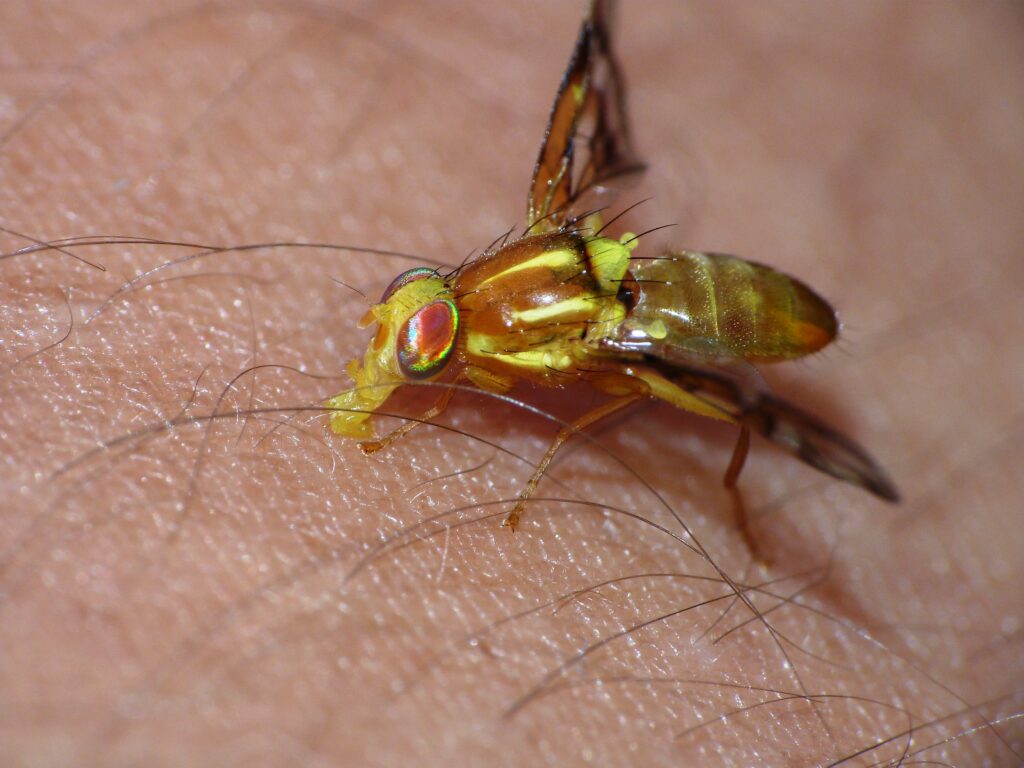
For outdoor waste, consider using heavy-duty trash bags and secure them in animal-proof containers to avoid attracting flies and other pests. Compost bins should be well-maintained, covered, and positioned away from living areas to minimize fly attraction. Additionally, promptly cleaning up pet waste from yards and gardens is crucial, as it is a prime breeding ground for flies. Implementing these waste management practices creates a less appealing environment for flies, thereby reducing their numbers and the potential health risks they pose. Effective waste management helps control flies and promotes a cleaner and more hygienic living space for you and your family.
Read More:- Why the Egg Chair is Perfect for Both Indoor and Outdoor Relaxation? A Brief Guide
Seasonal Strategies
Seasonal changes significantly impact fly populations, influencing their behavior and breeding patterns. During the warmer months of spring and summer, flies become more active and breed rapidly, leading to higher infestations. This is the time to intensify fly control measures, such as increased use of traps, repellents, and rigorous cleaning routines. Outdoor activities and open windows allow flies to enter homes, so maintaining barriers like screens and keeping food covered becomes crucial. Conversely, fly activity decreases in the cooler months of fall and winter, and they seek warmth indoors, often hiding in crevices and sheltered spots.
During this period, it’s essential to focus on sealing entry points and conducting thorough inspections to prevent overwintering flies from becoming a problem. Seasonal strategies also involve adjusting outdoor maintenance routines, such as removing fallen leaves and decaying plant matter that can attract flies. By understanding and adapting to these seasonal changes, you can implement timely and effective fly control measures, ensuring a more consistent and manageable approach to keeping flies at bay throughout the year.
Conclusion
Maintaining a fly-free environment requires a combination of cleanliness, preventive measures, and effective control methods. By understanding what attracts flies and implementing the best practices outlined in this guide, you can significantly reduce flies’ presence in indoor and outdoor spaces. Consistency and vigilance are crucial to ensuring a comfortable and healthy living environment.
Are you curious to read an amazing article about Pink Flowering Trees, then explore our “Home Improvement” category.
Frequently Asked Questions (FAQs)
Natural repellents such as essential oils and certain herbs can effectively deter flies. Essential oils like eucalyptus, lavender, and peppermint can be mixed with water to create a spray that repels flies. These natural solutions are safe and environmentally friendly.
Preventing flies from entering your home involves a few key steps. Firstly, ensure all food is stored in sealed containers and that surfaces are kept clean of food particles. Secondly, identify and seal any cracks or gaps around windows, doors, and vents. Installing fine mesh screens on windows and doors also helps block flies.
Yes, there are several plants known to repel flies naturally. Marigolds, chrysanthemums, and lavender are particularly effective in deterring flies when planted around your garden or outdoor seating areas. Maintaining these plants adds beauty to your garden while helping with pest control.
Suppose you are dealing with a severe fly infestation that home remedies cannot control. In that case, it may be time to seek professional help. Contact a local pest control service to assess the situation and recommend effective treatments.
Regular cleaning and inspection are crucial for effective fly management. Aim to clean high-traffic areas like the kitchen and dining spaces daily, promptly addressing food scraps and spills. Garbage should be disposed of regularly, and bins should be kept clean and covered.