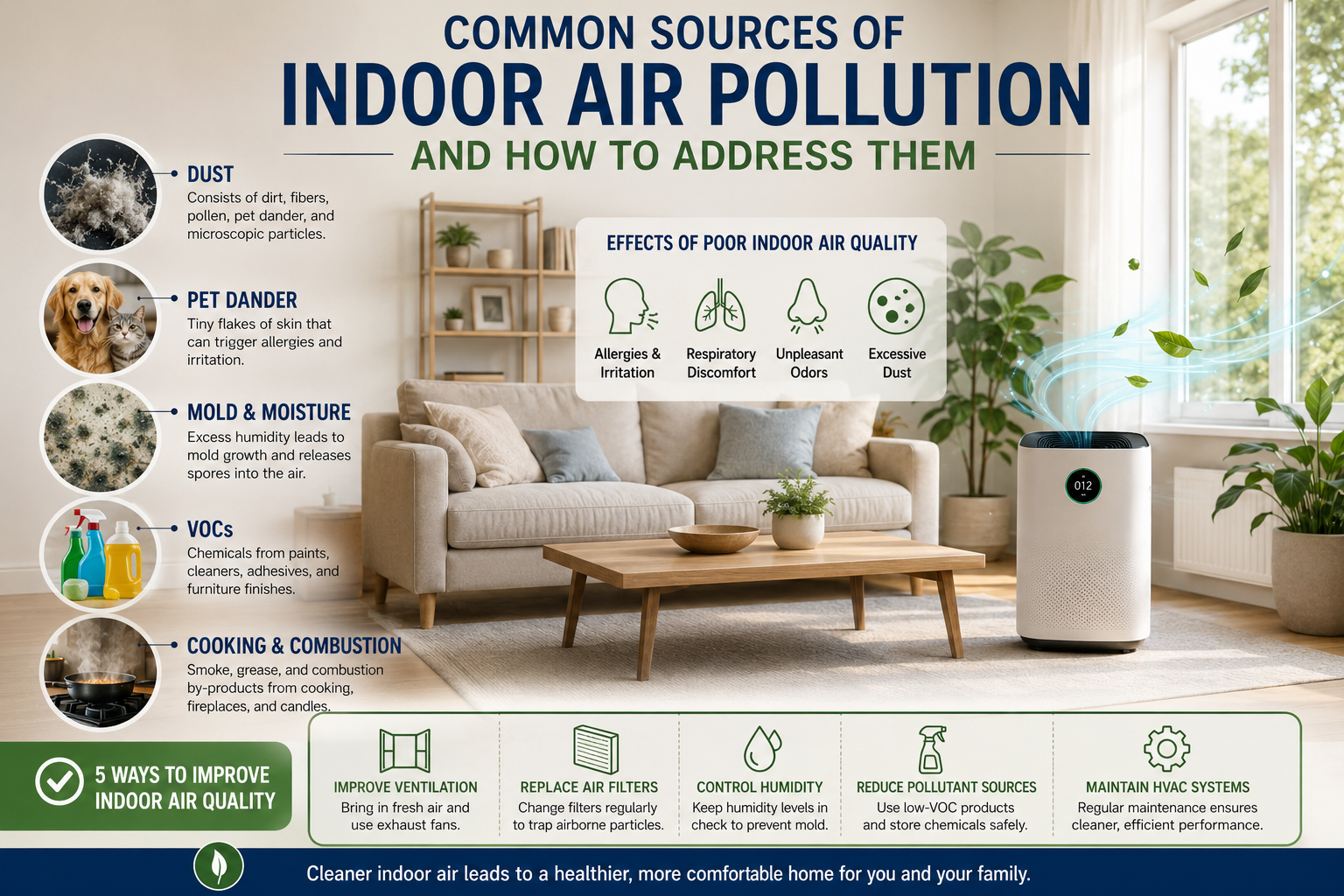
Many people think of air pollution as an outdoor problem caused by traffic, industrial activity, and environmental factors. However, the air inside a home can sometimes contain a surprising range of pollutants that affect comfort and overall wellbeing. Because people spend a large portion of their time indoors, maintaining good air quality within the home is an important aspect of creating a healthy living environment.
Indoor air pollution often develops gradually and can go unnoticed until problems such as excessive dust, unpleasant odours, or allergy symptoms become more apparent. Homeowners who want to create cleaner living spaces often explore solutions such as improved ventilation, advanced filtration, and professional indoor air quality systems in Naples, FL to help reduce airborne contaminants and support healthier indoor environments.
Reasons to Pay Attention to Indoor Air Quality
The state of the air inside buildings and its effects on residents are referred to as indoor air quality. Pollutants, moisture problems, poor ventilation, and routine household activities can all contribute to poor air quality.
Environmental and health organizations claim that indoor air can occasionally have higher levels of some toxins than outdoor air. This is frequently the result of pollutants getting trapped in enclosed areas with poor air circulation.
People who are sensitive to airborne particles may experience discomfort, offensive odours, increased dust collection, and irritation as a result of poor indoor air quality. The first step in making improvements inside the house is to comprehend the causes of indoor pollution. .
Dust: One of the Most Common Indoor Pollutants
Dust is present in virtually every home. While it may seem harmless, household dust is made up of a variety of particles, including dirt, fibres, pollen, pet dander, and microscopic debris.
As people move around the home, these particles can become airborne and circulate through living spaces. Dust can also accumulate inside heating and cooling systems, affecting airflow and overall performance.
Although it is impossible to eliminate dust entirely, regular cleaning and proper filtration can significantly reduce the amount present indoors. Homes with carpets, upholstered furniture, and high levels of foot traffic often require more frequent attention to keep dust levels under control.
Pet Dander and Household Allergens
Pets are a valued part of many households, but they can also contribute to indoor air pollution. Pet dander consists of tiny flakes of skin that animals naturally shed. These particles can remain suspended in the air and settle on furniture, carpets, and bedding.
Even homes that appear clean may contain significant amounts of pet-related allergens. For sensitive individuals, exposure can contribute to ongoing irritation and discomfort.
Managing pet dander involves a combination of regular grooming, vacuuming, cleaning pet bedding, and maintaining effective air filtration. These simple practices can help minimize allergen levels throughout the home.
Mould and Excess Moisture Problems
Moisture is one of the most significant contributors to poor indoor air quality. When excess humidity is present, mold and mildew can develop on walls, ceilings, and other surfaces. Bathrooms, kitchens, laundry rooms, and basements are particularly vulnerable because they often experience higher moisture levels. Mould growth can produce unpleasant odours and release microscopic spores into the air. Preventing moisture-related issues requires identifying the source of excess humidity and addressing it promptly. Leaking pipes, roof damage, poor ventilation, and condensation can all contribute to mold development if left unresolved.
Volatile Organic Compounds (VOCs)
Many everyday household products release chemicals known as Volatile Organic Compounds, or VOCs. These substances can be found in paints, cleaning products, adhesives, furniture finishes, and certain building materials.
While many manufacturers now offer low-VOC alternatives, these compounds remain a common source of indoor air pollution. Newly renovated rooms may experience higher concentrations because fresh paint, flooring, and furnishings can continue releasing chemicals for some time after installation.
Choosing products with lower emissions and ensuring adequate ventilation during home improvement projects can help reduce exposure.
Five Effective Ways to Improve Indoor Air Quality
Improving indoor air quality does not always require major changes. In many cases, a series of simple steps can make a noticeable difference.
1. Improve Ventilation
Fresh air plays a vital role in reducing indoor pollutant levels. Opening windows when weather conditions permit and using extractor fans in kitchens and bathrooms can help remove stale air and improve circulation.
2. Replace Air Filters Regularly
Heating and cooling systems rely on air filters to capture dust and airborne particles. Dirty filters can reduce airflow and allow pollutants to circulate more easily. Replacing filters according to manufacturer recommendations helps maintain cleaner indoor air.
3. Control Indoor Humidity
Maintaining appropriate humidity levels can reduce the risk of mould growth and moisture-related problems. Dehumidifiers may be beneficial in areas that experience excessive humidity.
4. Reduce Pollutant Sources
Selecting low-VOC products, storing chemicals safely, and limiting the use of heavily fragranced cleaning products can help reduce indoor contaminants.
5. Maintain HVAC Systems
Routine maintenance helps ensure heating and cooling systems continue operating efficiently. Clean equipment and properly functioning filtration systems contribute significantly to improved indoor air quality.
Cooking and Combustion By-Products
Cooking is another common source of indoor pollution. Preparing meals can release smoke, grease particles, and other airborne contaminants into the home.
Gas cooking appliances may also produce combustion by-products that affect indoor air quality if ventilation is inadequate. Range hoods and extractor fans help remove many of these pollutants before they spread throughout the property.
Fireplaces, candles, and other combustion sources can contribute additional particles to indoor air. Proper use and maintenance of these features help minimize their impact.
The Role of HVAC Systems
Heating and cooling systems influence air quality because they continuously circulate air throughout the home. When systems are neglected, dust and other contaminants can accumulate within filters and components.
Regular maintenance helps ensure proper airflow, effective filtration, and consistent operation. Well-maintained HVAC systems not only improve comfort but also support cleaner indoor environments.Homeowners often overlook the connection between HVAC performance and air quality, yet it remains one of the most important factors influencing indoor conditions.
The Importance of Clean Indoor Air
Indoor air pollution can originate from a variety of everyday sources, including dust, pet dander, mould, household chemicals, and poor ventilation. While many of these pollutants are not immediately visible, they can affect comfort and contribute to ongoing indoor air quality concerns.
Fortunately, improving indoor air quality does not have to be complicated. Better ventilation, regular maintenance, effective filtration, moisture control, and mindful product choices can all contribute to healthier indoor environments. By understanding the common sources of indoor pollution and taking practical steps to address them, homeowners can create cleaner, fresher, and more comfortable living spaces for everyone in the household.
If you want to know about Transform Your Kitchen With Stunning Additional Farmhouse Sinks: A Comprehensive Guide then visit our Home Improvement category.