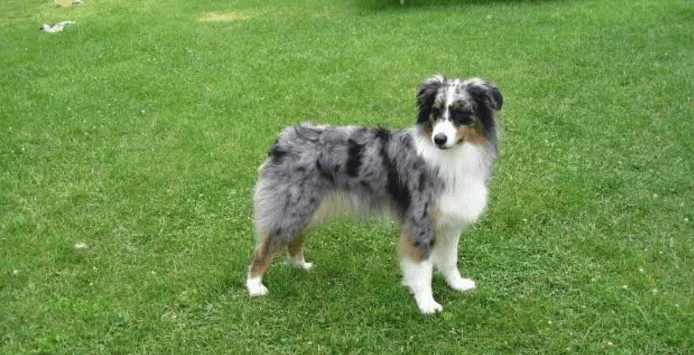
A blue merle Australian Shepherd is a standard Aussie with a marbled black-and-gray coat pattern. The color does not create a separate breed or a separate temperament. What matters most is the dog’s energy, genetics, socialization, health testing, and fit with your household.
| Key fact | What U.S. owners should know |
|---|---|
| Breed status | Blue merle is a recognized coat color, not a separate breed. |
| Typical adult size | About 18–23 inches tall and 40–65 pounds. |
| Typical lifespan | About 12–15 years. |
| Energy level | High; daily exercise, training, and mental work are essential. |
| Coat | Medium-length double coat with regular shedding. |
| Main color-related concern | Double-merle breeding can increase serious eye and hearing risks. |
| Best fit | Active owners who enjoy training and structured daily activity. |
Direct answer: This dog has the same basic build, drive, and care needs as other Aussies. Its merle gene creates the distinctive gray-and-black pattern, sometimes with white and copper markings. Prospective owners should focus on temperament, health testing, responsible breeding, exercise needs, and long-term care instead of coat color alone.
Key Takeaways
- Blue merle is a coat pattern within the breed, not a separate variety.
- Coat color does not make the dog calmer, smarter, or more family-friendly.
- Aussies are energetic herding dogs that need daily physical and mental work.
- Normal merles differ from double merles, which can have serious sensory defects.
- Regular brushing helps manage the breed’s medium double coat and seasonal shedding.
- Buyers should prioritize health records, temperament, breeder transparency, and parentage.
What Makes the Blue Merle Coat Different?
The American Kennel Club lists blue merle among the breed’s recognized colors. The pattern mixes darker black areas with diluted gray or silver sections. White markings and copper points may appear, but their placement varies between dogs.
The merle allele comes from a SINE insertion in the SILV gene, also known as PMEL17. One copy creates the mottled pattern in a typical merle dog. Two merle copies can cause serious eye and hearing problems, so merle-to-merle breeding is discouraged.
Size, Temperament, and Lifespan
Adults typically stand 18–23 inches at the shoulder and weigh about 40–65 pounds. Life expectancy commonly falls around 12–15 years. Blue merle coloring does not change those breed-level ranges.
These dogs are intelligent, athletic, attentive, and strongly shaped by their herding background. They often learn quickly, but quick learning does not mean effortless ownership. Without enough activity, they may invent unwanted jobs such as chasing, barking, or controlling movement.
Temperament depends more on genetics, upbringing, training, and socialization than coat color. Some individuals are reserved with strangers, while others are more socially open. Early positive exposure can help a young dog handle people, animals, sounds, and environments confidently.
Blue Merle Australian Shepherd Health: What Merle Genetics Change
The breed can face health concerns unrelated to coat color, including joint and eye problems. Drug sensitivity linked with MDR1 also occurs in Aussies. A veterinarian can advise which screening and DNA tests matter for your individual dog.
The color-specific issue involves double merles, which inherit two merle copies. These dogs can develop serious eye abnormalities and may be deaf in one or both ears. Responsible breeders avoid pairings that can produce this combination.
Blue eyes alone do not mean a dog is blind or unhealthy. The breed standard allows brown, blue, amber, or combinations of those colors. Eye color should never replace a veterinary eye examination or documented breeder screening.
Exercise and Training Needs
Plan for substantial daily physical activity, training, and mental work rather than one short walk. Many dogs enjoy fetch, hiking, running, agility, scent games, or structured herding activities. The right mix depends on age, fitness, health, and individual drive.
Herding instincts can show up as chasing children, pets, bicycles, or moving vehicles. Teach impulse control, recall, leash skills, and calm alternatives from an early age. Reward-based training gives this quick-thinking breed clear jobs without encouraging conflict or fear.
Mental exercise matters because repetitive physical activity may not fully satisfy an intelligent working dog. Short training sessions, food puzzles, search games, and new skills can add useful variety. A predictable routine also helps active dogs learn when activity ends and quiet time begins.
Grooming and Shedding
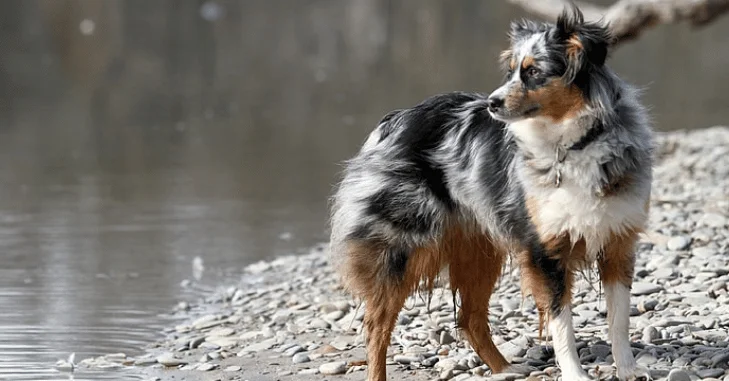
The coat is medium length, weather resistant, and double layered. Frequent brushing removes loose hair and helps prevent tangles around feathered areas. Shedding usually increases during seasonal coat changes.
Bathing frequency depends on dirt, skin condition, activity, and your veterinarian’s advice. Check ears, nails, teeth, paws, and skin during regular grooming sessions. Coat color does not require a special shampoo or different brushing method.
Do not choose this breed because the coat looks low maintenance in puppy photos. The adult coat becomes fuller and needs consistent upkeep. Regular home grooming also gives you a chance to notice lumps, irritation, injuries, or parasites early.
How Much Does One Cost in the U.S.?
Current U.S. asking prices vary widely by breeder, pedigree, testing, location, and included support. September 2026 listings show standard blue merle puppies around $1,500 to $2,500. Treat that range as a market snapshot rather than a national average.
A higher price does not prove better breeding, health, or temperament. Some sellers charge more for merle coats or blue eyes because buyers value appearance. Pay for documented health work and responsible raising practices, not a fashionable color premium.
How to Choose a Responsible Breeder or Rescue
Ask how the pairing was selected and whether both parents are merle. Request documented health testing, veterinary records, and clear information about the puppy’s early socialization. A responsible seller should answer questions without pressuring you to send money immediately.
- Confirm the parentage and ask how Merle’s status was determined.
- Review hip, eye, and relevant DNA screening records for breeding dogs.
- Meet the puppy and, when possible, at least one parent.
- Ask about temperament, socialization, vaccinations, and veterinary care.
- Read the contract, return policy, and health guarantee before paying.
- Be cautious with sellers who market mostly white puppies as rare collectibles.
Marketing labels can distract buyers from evidence that matters more. Evo Blogs’ Can Cats Eat Bacon guide explains a similar problem with unofficial size claims. Across breeds, health records and transparent breeding practices deserve more weight than novelty labels.
Is This Dog a Good Fit for Your Home?
This breed can thrive with active owners who enjoy teaching, walking, and structured play. A large yard is useful, but it does not replace interaction or training. Apartment living can work when the owner reliably meets exercise and enrichment needs.
| Likely better fit | Potentially harder fit |
|---|---|
| You enjoy daily training and active outings. | You want a low-energy companion with minimal exercise. |
| You can manage shedding and routine grooming. | You strongly prefer a low-shedding household. |
| You can provide mental work and clear boundaries. | The dog would spend long periods without activity or company. |
| You understand herding behavior around movement. | You cannot manage chasing or nipping around children and pets. |
Frequent travelers should arrange dependable care before bringing home an active herding dog. Evo Blogs’ Teacup Chihuahua guide offers a useful written handoff model for pet caregivers. Dogs need canine-specific schedules, exercise, bathroom breaks, and handling instructions beyond that cat-focused checklist.
Frequently Asked Questions
Is a blue merle Australian Shepherd rare?
No official breed standard treats blue merle as a rare color. Merle is widely recognized within the breed and appears regularly in litters. Availability still varies by breeder, region, lineage, and planned pairings.
Do blue merle Aussies have more health problems?
A normal single-merle dog does not automatically have the defects associated with double merles. The breed still has health risks unrelated to coat pattern. Buyers should review appropriate health screening for every puppy, regardless of color.
Do they always have blue eyes?
No, blue eyes are possible but not required. Aussies may have brown, blue, amber, flecked, marbled, or differently colored eyes. Eye color should be treated as appearance, not proof of health or quality.
Are they good family dogs?
They can be affectionate, loyal family companions in homes that meet their activity needs. Herding behavior may include chasing or nipping at fast-moving family members. Training, supervision, and early socialization matter, especially around children and other pets.
How much should a puppy cost?
There is no reliable nationwide price because breeders and regions differ. Current U.S. listings show examples around $1,500 to $2,500 for standard puppies. Compare testing, care, contracts, support, and temperament before comparing coat color premiums.
Can two merle Aussies be bred together?
Responsible breeding guidance discourages merle-to-merle pairings because puppies can inherit two merle copies. Double merles can have severe eye defects and hearing loss. Ask breeders to explain parent colors, genetic status, and their plan for avoiding risky pairings.
Next Step Before Choosing One
If this breed fits your routine, meet adult Aussies before choosing a puppy by color. Review breeder health records and discuss screening with your veterinarian before committing.