Introduction
The difference between logistics and supply chain management makes both management phenomena relatable. Logistics refers to the detailed coordination and implementation of complex operations involving moving goods, services, and information. It includes various activities such as transportation, warehousing, inventory management, order fulfillment, and distribution. Supply Chain Management (SCM) is a broader concept encompassing the end-to-end flow of goods, information, and finances from the initial production stages to the consumer’s final delivery. SCM involves strategic planning, sourcing, procurement, production, and logistics management.
The Difference between Logistics and Supply Chain Management
The difference between logistics and supply chain management lies in their scope and focus. Logistics deals with the efficient movement, storage, and delivery of goods within a single company, ensuring products reach customers smoothly and on time. On the other hand, supply chain management (SCM) involves a broader range of activities, including sourcing raw materials, production, and distribution across multiple organizations. SCM aims to optimize the entire process from start to finish, improving overall efficiency and coordination among all parties involved. In essence, logistics is a part of the more extensive supply chain management system.
Why Understanding the Difference Between Logistics and Supply Chain Management Matters
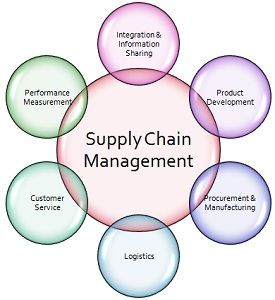
While often used interchangeably, logistics and supply chain management represent distinct layers of business operations — and recognizing their difference can transform how a company optimizes performance. Logistics focuses on the operational side: transporting, storing, and delivering goods efficiently from one point to another. In contrast, supply chain management (SCM) encompasses a broader, strategic scope: it covers everything from sourcing raw materials and coordinating manufacturing, to managing suppliers and distributors, to delivering finished products and handling returns. SCM shapes the overall structure that enables logistics to function smoothly, ensuring all stakeholders — suppliers, manufacturers, warehouses, retailers — work in sync. Understanding this difference helps businesses plan more intelligently, reduce costs, improve delivery speed, and gain a competitive advantage, rather than just managing day-to-day transportation tasks.
Key Components of Logistics
- Transportation: Transportation is a critical component of logistics, involving the physical movement of goods from one location to another.
- It includes various modes such as road, rail, air, and sea, each with advantages and challenges.
- Warehousing: Warehousing involves storing goods until they are needed for distribution or sale.
- Efficient warehousing ensures that products are readily available, reducing lead times and improving customer satisfaction.
- Inventory Management: Inventory management maintains optimal stock levels to meet customer demand without overstocking or understocking.
- This involves tracking inventory, forecasting demand, and managing reorder points.
- Order Fulfillment: Order fulfillment encompasses the processes involved in receiving, processing, and delivering orders to customers.
- It includes picking, packing, and shipping, ensuring customers receive their products accurately and on time.
Critical Components of Supply Chain Management
- Strategic Planning: Strategic planning in SCM involves the long-term design and management of the supply chain to align with business goals.
- This includes network design, capacity planning, and demand forecasting.
- Sourcing and Procurement: Sourcing and procurement deal with acquiring raw materials, components, and services needed for production.
- It involves selecting suppliers, negotiating contracts, and managing supplier relationships to ensure quality and cost-effectiveness.
- Production: Production is the process of transforming raw materials into finished goods.
- Efficient production management ensures that manufacturing processes are optimized to meet demand while minimizing costs and waste.
- Integration and Collaboration: Integration and collaboration in SCM refer to the coordination between various stakeholders, including suppliers, manufacturers, distributors, and retailers.
- Effective collaboration enhances visibility, reduces risks, and improves overall supply chain performance.
Differences between Logistics and Supply Chain Management
Scope and Focus
- The primary difference between logistics and supply chain management lies in their scope and focus. Logistics focuses on the efficient movement and storage of goods within the supply chain, dealing with specific aspects such as transportation, warehousing, and order fulfillment.
- In contrast, SCM encompasses various activities, including strategic planning, sourcing, production, and logistics.
- SCM aims to optimize the entire supply chain, from raw material procurement to final customer delivery.
Objectives
- Logistics aims to ensure that products are delivered to the right place, at the right time, in a suitable condition, and at the lowest possible cost.
- Its objectives are operational, focusing on efficiency and cost-effectiveness.
- On the other hand, SCM has a strategic objective: to create a seamless, integrated supply chain that enhances overall business performance, competitiveness, and customer satisfaction.
- SCM seeks to balance supply and demand, reduce lead times, and improve responsiveness to market changes.
Activities and Processes
Logistics involves specific activities such as transportation, warehousing, inventory management, and order fulfillment. These activities are tactical and operational, focusing on the day-to-day management of the flow of goods. SCM, however, encompasses a broader range of processes, including strategic planning, sourcing, production, and logistics management. SCM integrates these processes to create a cohesive and efficient supply chain.
Time Frame
Logistics is often concerned with short-term, tactical decisions that impact the supply chain’s day-to-day operations. It deals with immediate tasks such as shipping schedules, inventory levels, and order processing. SCM, in contrast, involves long-term, strategic decisions that shape the chain’s overall structure and performance. It includes planning for future demand, capacity expansion, and supplier relationships.
Technological Integration
Logistics Technology
Logistics has benefited immensely from technological advancements. GPS tracking, RFID tags, and warehouse management systems (WMS) have revolutionized how goods are transported, tracked, and stored. Automation in logistics, through drones and autonomous vehicles, further enhances efficiency and reduces costs.
Supply Chain Management Technology
On the other hand, SCM leverages broader technological solutions like Enterprise Resource Planning (ERP) systems, Advanced Planning and Scheduling (APS) software, and Supply Chain Analytics. These technologies facilitate the integration and synchronization of supply chain activities, providing real-time visibility and data-driven insights for better decision-making. Blockchain technology is also being explored within SCM to enhance transparency and traceability in the supply chain.
Risk Management
Another difference between logistics and supply chain management can be seen in their approaches to risk management.
Logistics Risk Management
In logistics, risk management focuses on mitigating disruptions in transportation and warehousing. This includes strategies to handle delays, damages, theft, and compliance with regulations. Contingency planning, insurance, and robust logistics networks are essential components of logistics risk management.
Supply Chain Risk Management
SCM encompasses a more holistic approach to risk management, addressing risks across the entire supply chain. This includes supplier risks, production disruptions, demand variability, geopolitical issues, and environmental factors. To manage these risks effectively, SCM employs strategies such as supplier diversification, demand forecasting, strategic stockpiling, and scenario planning.
Sustainability and Environmental Impact
The difference between logistics and supply chain management also extends to their roles in sustainability and environmental impact.
Logistics and Sustainability
- In logistics, sustainability efforts often focus on reducing carbon emissions, optimizing fuel usage, and implementing green warehousing practices.
- This might include using electric vehicles, optimizing delivery routes, and adopting energy-efficient warehouse technologies.
Supply Chain Sustainability
- SCM takes a broader perspective on sustainability, integrating environmental and social considerations across the entire supply chain.
- This includes sustainable sourcing practices, ethical labor standards, waste reduction, and circular economy initiatives.
- SCM aims to create a sustainable supply chain that minimizes environmental impact and promotes social responsibility.
Customer Relationship Management
The difference between logistics and supply chain management is further reflected in their approach to customer relationship management.
Customer Focus in Logistics
- Logistics primarily focuses on meeting customer expectations through timely and accurate product delivery. Effective logistics management ensures high service levels, reliability, and customer satisfaction.
- It involves tracking shipments, managing returns, and handling customer inquiries related to delivery.
Customer Focus in Supply Chain Management
- SCM extends the focus on customer relationships by integrating customer feedback and demand into the entire supply chain strategy. This involves understanding customer needs, predicting demand patterns, and collaborating with customers to co-create value.
- SCM aims to enhance the overall customer experience by ensuring the supply chain is aligned with customer expectations and market trends.
Performance Metrics
The difference between logistics and supply chain management is also evident in the performance metrics used to measure success.
Logistics Performance Metrics
- Logistics performance is typically measured using on-time delivery rates, transportation costs, order accuracy, and inventory turnover.
- These metrics provide insights into the efficiency and effectiveness of logistics operations.
Supply Chain Performance Metrics
- SCM employs a broader set of performance metrics encompassing the entire supply chain.
- These include metrics like supply chain cycle time, total supply chain cost, perfect order rate, and agility.
- SCM metrics provide a comprehensive view of the supply chain’s performance, helping to identify areas for improvement and strategic decision-making.
Organizational Structure and Roles
Finally, the difference between logistics and supply chain management can be seen in their organizational structure and roles within a company.
Logistics Roles
- Logistics functions are typically managed by logistics managers, transportation managers, warehouse managers, and inventory managers.
- These roles focus on the operational aspects of moving and storing goods.
Customer Service Influence
Logistics and Customer Service
- In logistics, the focus on customer service is all about ensuring timely delivery and accuracy.
- The logistics team works hard to ensure products get to the right place on time, directly influencing customer satisfaction.
Supply Chain Management and Customer Service
- Supply Chain Management (SCM) takes customer service further by integrating customer feedback and preferences into the process.
- SCM looks at long-term relationships with customers, ensuring their needs are met now and in the future.
Cost Management Strategies
Cost Control in Logistics
- Logistics primarily aims to reduce transportation, warehousing, and handling costs.
- This often involves optimizing routes, consolidating shipments, and negotiating better rates with carriers.
Cost Efficiency in Supply Chain Management
- SCM focuses on overall cost efficiency across the entire chain, from sourcing to delivery.
- This might include strategic sourcing to get better prices on raw materials, improving production efficiency, and reducing waste throughout the process.
Flexibility and Adaptability
Flexibility in Logistics
- Logistics must be flexible to handle day-to-day changes and unexpected issues like delays or changes in order volumes.
- This often requires quick thinking and immediate problem-solving.
Adaptability in Supply Chain Management
- SCM requires more adaptability to respond to long-term market changes and trends.
- This involves proactive planning and adjusting sourcing, production, and distribution strategies to stay competitive.
Impact on Business Strategy
Logistics’ Role in Business Strategy
- Logistics supports the overall business strategy by ensuring that products are delivered efficiently.
- It helps maintain a good reputation and high customer satisfaction through reliable delivery services.
SCM’s Influence on Business Strategy
- SCM plays a critical role in shaping the business strategy itself.
- By optimizing the entire supply chain, SCM helps businesses reduce costs, improve quality, and increase speed to market, which can be significant competitive advantages.
Workforce Skills and Expertise
Skills Needed in Logistics
Logistics professionals often need operations management, transportation planning, and problem-solving skills. They must handle immediate logistical challenges and ensure smooth day-to-day operations.
Skills Needed in Supply Chain Management
SCM professionals require a broader skill set, including strategic planning, supplier management, and data analysis. They need to understand the entire supply chain and how to optimize it for better efficiency and effectiveness.
Read More: – Siege Marketplace
Conclusion
In conclusion, understanding the difference between logistics and supply chain management is crucial for improving business operations. Logistics focuses on the internal movement and storage of goods, ensuring timely and efficient delivery to customers. Supply chain management takes a broader approach, coordinating all steps from raw material sourcing to final product delivery across various organizations. Both are essential for achieving operational efficiency, cost reduction, and customer satisfaction. Recognizing their unique roles and how they interconnect helps businesses streamline processes and gain a competitive edge in the market.
Apart from that if you want to know about “Best Countries to Visit in October: A Guide to Perfect Autumn Destinations” then please visit our “TRAVEL” Category
FAQs
Logistics involves the planning, moving, and storing of goods within a company to ensure timely customer delivery.
Supply chain management covers the entire process involving multiple organizations, from sourcing raw materials to delivering the final product.
Logistics focuses on internal company operations, while SCM includes coordinating activities across various companies from start to finish.
Both are crucial for improving efficiency, reducing costs, and ensuring customer satisfaction in business operations.
Logistics focuses on the transportation and storage of goods, while supply chain management encompasses the entire process of production, from sourcing raw materials to delivering the final product to consumers.