Introduction
Pacer cars have become integral to the automotive landscape, offering a blend of performance, style, and practicality. These vehicles, known for their endurance and versatility, cater to various consumer needs, from daily commuting to long-distance travel. This comprehensive guide delves into the best pacer cars available today, their types, standout features, recent updates, and price ranges, providing a thorough understanding for potential buyers and enthusiasts alike.
The Birth of the Pacer
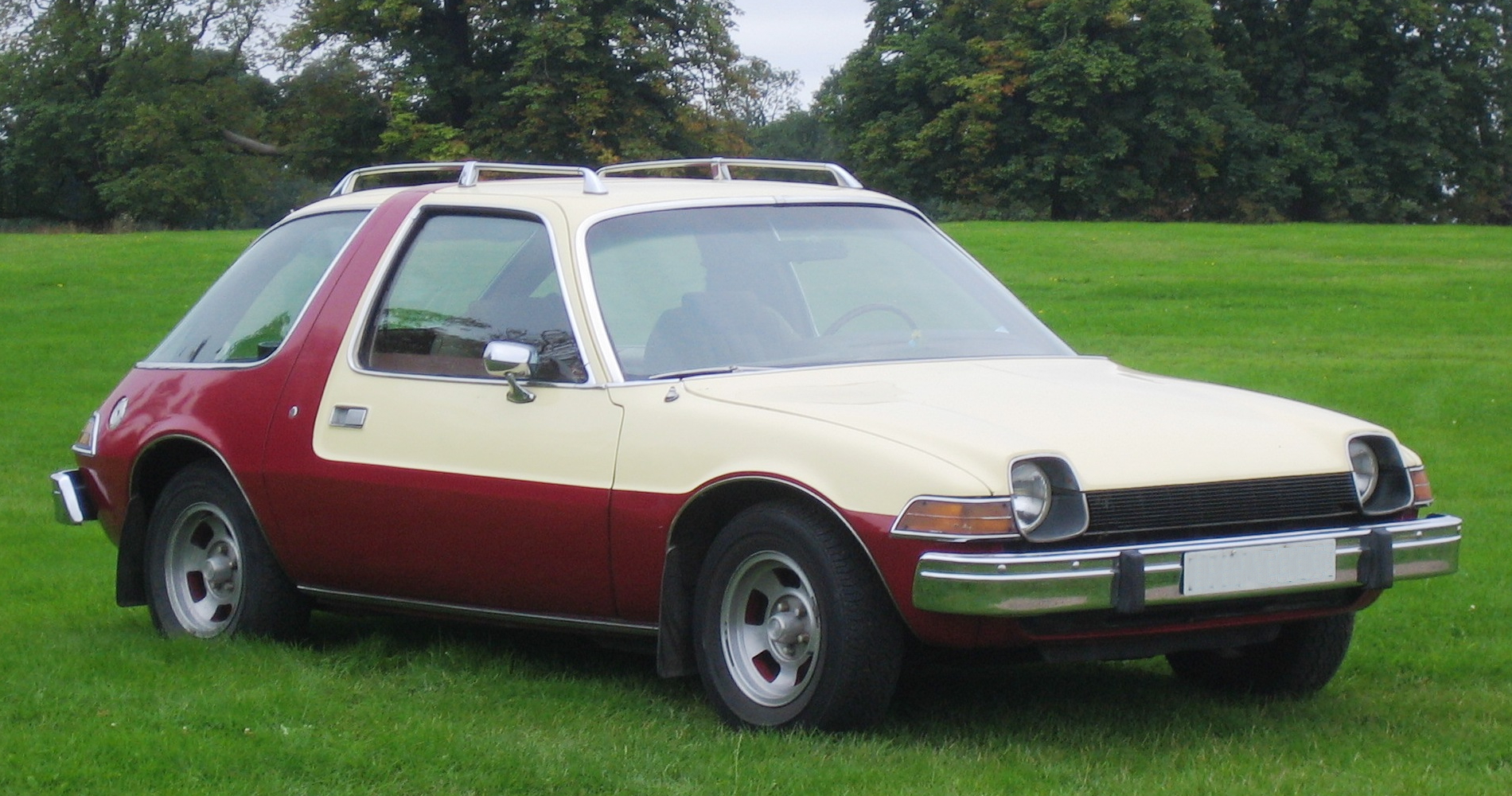
The Pacer’s story begins in the early 1970s, a time of significant change and innovation in the automobile industry. American Motors Corporation (AMC), a relatively small player in the automotive market, recognized the need to challenge the status quo and offer something unique to consumers. Enter the Pacer, a groundbreaking design that defied the traditional norms of car styling and sought to redefine the driving experience.

Price Ranges of Pacer Cars
The price of pacer cars varies widely depending on the vehicle’s type, brand, and features. Here is a general overview of the price ranges for different types of pacer cars:
| Type of Pacer Car | Economy Models | Mid-Range Models | Luxury Models |
| Hybrid Electric Vehicles (HEVs) | $20,000 – $30,000 | $30,000 – $50,000 | $50,000 and above |
| Plug-In Hybrid Electric Vehicles (PHEVs) | $25,000 – $35,000 | $35,000 – $55,000 | $55,000 and above |
| Extended Range Electric Vehicles (EREVs) | $30,000 – $40,000 | $40,000 – $60,000 | $60,000 and above |
| Battery Electric Vehicles (BEVs) | $30,000 – $40,000 | $40,000 – $60,000 | $60,000 and above |
| Mild Hybrid Electric Vehicles (MHEVs) | $20,000 – $30,000 | $30,000 – $50,000 | $50,000 and above |
This table organizes the data by type of pacer car and categorizes them into economy, mid-range, and luxury models with their respective price ranges.
Unique Approach to Compact-Car Design
The AMC Pacer broke the mould of 1970s compact cars by combining a surprisingly spacious interior with an unusually wide, rounded exterior — a departure from the boxy, three-box designs common at the time. Designed with a “cab-forward” philosophy, the Pacer placed its passengers first: four occupants were seated with generous clearance, then the rest of the car was built around them. This design choice delivered the comfort and interior room of a larger car, while retaining a compact exterior footprint. Its large glass surfaces gave the cabin a bright, airy feel, reinforcing the sense of space. Moreover, this “big-car feel in a small package” helped the Pacer stand out when most American automakers were still producing bulkier vehicles.
Innovative Design and Features
The Pacer’s design departed from the boxy and conservative styling that had dominated the automotive landscape for decades. Its distinctive, egg-shaped silhouette and expansive glass greenhouse created a remarkably spacious and airy interior, offering passengers a panoramic view. This innovative design approach, spearheaded by AMC’s chief stylist Richard A. Teague, was not merely an aesthetic choice but a functional one, as the Pacer’s unique shape and proportions were engineered to maximize interior volume and improve aerodynamics.
Under the hood, the Pacer had various engine options, including a compact inline-six and a more powerful V8 powerplant. The car’s compact size, lightweight construction, and responsive handling made it a surprisingly agile and enjoyable driving experience, defying the expectations of those who assumed that a unique-looking car would sacrifice performance.
Embracing the Unconventional
The Pacer’s unconventional design and features were not only a departure from the norm but also a reflection of AMC’s willingness to take risks and challenge the industry’s established norms. This approach resonated with a market segment seeking something different, and the Pacer quickly developed a loyal following of enthusiasts who appreciated its quirky charm and innovative spirit.
Enduring Popularity and Collectability
Despite its relatively short production run, the Pacer has managed to maintain a strong presence in popular culture and the hearts of automotive enthusiasts. From its appearances in iconic films and television shows to its highly coveted collector’s item status, the Pacer’s legacy continues to captivate and inspire.
Best Pacer Cars on the Market
When choosing the best pacer cars, several models stand out due to their exceptional performance, reliability, and innovative features. Here are some of the top pacer cars that have garnered acclaim:
1. Toyota Prius Prime
The Toyota Prius Prime is a leading pacer car known for its hybrid technology and fuel efficiency. It combines a 1.8-liter four-cylinder engine with an electric motor, delivering 121 horsepower. The vehicle boasts an electric-only range of 25 miles, making it perfect for city commutes and short trips.
2. Honda Clarity Plug-In Hybrid
The Honda Clarity Plug-In Hybrid is another excellent choice, offering a spacious interior and a combined range of over 340 miles. Its 1.5-liter engine and electric motor generate 212 horsepower, providing a smooth and efficient driving experience.
3. Chevrolet Volt
Although no longer in production, the Chevrolet Volt remains a favorite among pacer car enthusiasts. Its extended-range electric vehicle (EREV) technology allows it to run up to 53 miles on electric power alone, with a total range of 420 miles combined with its gasoline engine.
4. Ford Fusion Energi
The Ford Fusion Energi is a stylish, practical pacer car with a 2.0-liter four-cylinder engine and electric motor. It offers an all-electric range of 26 miles and a combined range of 610 miles, making it a versatile option for various driving needs.
5. BMW i3 REx
The BMW i3 REx is an excellent choice for those seeking a more premium option. This electric car with a range extender combines luxury with eco-friendliness, offering an electric range of 153 miles and an additional 87 miles with the range extender.
Types of Pacer Cars
Pacer cars come in various types, each catering to different preferences and requirements. Understanding these types can help buyers decide based on their specific needs.
1. Hybrid Electric Vehicles (HEVs)
Hybrid Electric Vehicles combine an internal combustion engine (ICE) with an electric motor, offering improved fuel efficiency and reduced emissions. HEVs can switch between or simultaneously use the ICE and the electric motor, making them versatile for city and highway driving.
2. Plug-In Hybrid Electric Vehicles (PHEVs)
Plug-in hybrid Electric Vehicles are similar to HEVs but come with a larger battery that can be charged via an external power source. PHEVs offer a significant electric-only range, allowing for short trips to be made entirely on electric power, while the ICE provides an extended range for longer journeys.
3. Extended Range Electric Vehicles (EREVs)
Extended Range Electric Vehicles primarily operate on electric power but include a small ICE that acts as a generator to recharge the battery when it depletes. This design ensures drivers can continue their journey without worrying about running out of electric power.
4. Battery Electric Vehicles (BEVs)
Battery Electric Vehicles are fully electric cars that rely solely on battery power. BEVs offer zero emissions and are ideal for environmentally conscious drivers. They typically require regular charging and are best suited for urban environments with ample charging infrastructure.
5. Mild Hybrid Electric Vehicles (MHEVs)
Mild Hybrid Electric Vehicles use a smaller electric motor to assist the ICE, improving fuel efficiency and reducing emissions. MHEVs cannot run on electric power alone but benefit from enhanced performance and reduced fuel consumption.
Best Electric Pacers on the Market
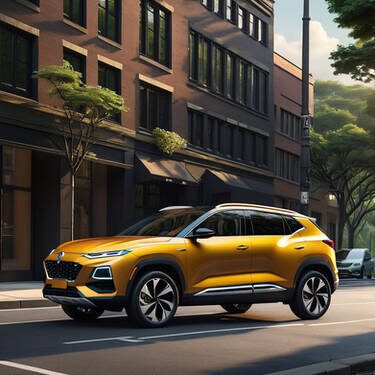
1. Tesla Model 3
The Tesla Model 3 stands out in the electric vehicle market, known for its impressive range, advanced technology, and performance. It offers an electric range of up to 353 miles on a single charge, making it one of the longest-range EVs available.
2. Nissan Leaf
The Nissan Leaf is one of the most popular electric cars globally. It offers a balance of affordability, practicality, and technology. Its range is up to 226 miles, making it an excellent option for daily commuting and urban driving.
3. Chevrolet Bolt EV
The Chevrolet Bolt EV is praised for its long range and affordable price. It offers an electric range of up to 259 miles, providing ample distance for most driving needs without frequent recharging.
4. Ford Mustang Mach-E
The Ford Mustang Mach-E combines the iconic Mustang brand with electric vehicle technology. It offers a range of up to 305 miles and delivers strong performance with its various powertrain options.
5. Audi e-tron
The Audi e-tron is a luxury electric SUV that offers a comfortable ride, advanced technology, and a range of up to 222 miles. It’s an excellent choice for those seeking a premium electric vehicle experience.
Key Features of Modern Pacer Cars
Modern pacer cars have many features to enhance comfort, safety, and driving experience. Here are some of the standout features commonly found in today’s pacer cars:
1. Advanced Driver Assistance Systems (ADAS)
ADAS technologies, such as adaptive cruise control, lane-keeping assist, and automatic emergency braking, help enhance safety and reduce the likelihood of accidents. These systems use sensors and cameras to monitor the surroundings and assist the driver in maintaining vehicle control.
2. Infotainment Systems
State-of-the-art infotainment systems in pacer cars offer seamless smartphone connectivity, enabling access to navigation, music, and hands-free communication. Features like Apple CarPlay, Android Auto, and integrated Wi-Fi enhance the driving experience.
3. Regenerative Braking
Regenerative braking systems capture and store energy during braking, which can be used to recharge the vehicle’s battery. This feature improves energy efficiency and extends the electric range of hybrid and electric cars.
4. Electric-Only Mode
Many hybrid and plug-in hybrid vehicles come with an electric-only mode, allowing the car to run solely on electric power for short distances. This feature is handy for city driving, reducing fuel consumption and emissions.
5. Automatic Climate Control
Automatic climate control systems in pacer cars adjust the interior temperature based on preset preferences, enhancing comfort for all occupants. These systems often include dual-zone or multi-zone climate control to cater to different preferences within the vehicle.
6. Keyless Entry and Start
Keyless entry and start systems provide convenience and security, allowing drivers to unlock and start their vehicles without physically using the key. These systems typically use a proximity sensor to detect the key fob.
7. Wireless Charging
Wireless charging pads in pacer cars enable drivers to charge their smartphones and other devices without cables. This feature adds to the convenience and modernity of the vehicle’s interior.
Recent Updates in Pacer Cars
The pacer car market is constantly evolving, with manufacturers introducing new technologies and features to stay ahead of the competition. Here are some recent updates in the world of pacer cars:
1. Enhanced Battery Technologies
Recent advancements in battery technology have led to longer electric ranges and shorter charging times. Solid-state and improved lithium-ion batteries are among the innovations pushing the boundaries of electric vehicle performance.
2. Improved Charging Infrastructure
The expansion of charging infrastructure has made it easier for electric and plug-in hybrid vehicle owners to find charging stations. Fast-charging networks and home charging solutions are becoming more widespread, addressing one of the main concerns of potential electric vehicle buyers.
3. Integration of Artificial Intelligence (AI)
AI integration in pacer cars enhances various aspects of the driving experience, from voice-activated controls to predictive maintenance. AI systems can analyze driving patterns and provide insights to optimize fuel efficiency and vehicle performance.
4. Increased Use of Sustainable Materials
Manufacturers are increasingly using sustainable and eco-friendly materials to produce pacer cars. Recycled plastics, natural fibers, and vegan leather are becoming common in vehicle interiors, aligning with the growing demand for environmentally conscious products.
5. Autonomous Driving Features
Autonomous driving technologies are gradually being introduced in pacer cars. Features like self-parking, traffic jam assist, and highway autopilot will soon pave the way for fully autonomous vehicles.
Read More:- The 2024 Chevy Traverse
Conclusion
Pacer cars represent a dynamic and rapidly evolving segment of the automotive market. With various types to choose from, including HEVs, PHEVs, EREVs, BEVs, and MHEVs, consumers have a wide range of options to suit their needs and preferences. Modern pacer cars come equipped with advanced features that enhance safety, comfort, and efficiency, while recent updates in technology and infrastructure are making these vehicles more accessible and practical than ever before.
Apart from that if you want to know about “Toyota Crown Signia” then please visit our “Automobile” Category.
FAQs
Its rounded body shape, huge windows, and asymmetrical doors make it instantly recognizable. The passenger door was intentionally made longer to make rear-seat entry easier — a design feature not seen on most cars.
AMC intentionally made the Pacer wide to provide better handling and a roomier cabin. The goal was to give small-car buyers a “big car feel” while keeping overall length compact.
Reliability varied. While the Pacer offered a smooth ride and user-friendly interior, its large glass area added weight, placing more stress on the engine. Maintenance and proper tuning were key factors in keeping it reliable.
The Pacer introduced features uncommon for its era, including cab-forward design, a wide stance for stability, and a focus on passenger comfort. Many modern compact cars use similar design concepts, making the Pacer feel innovative in hindsight.
The AMC Pacer is best known for its wide, bubble-like design, large glass area, and futuristic styling. It became iconic because of its unconventional shape and its strong presence in 1970s pop culture.