Introduction
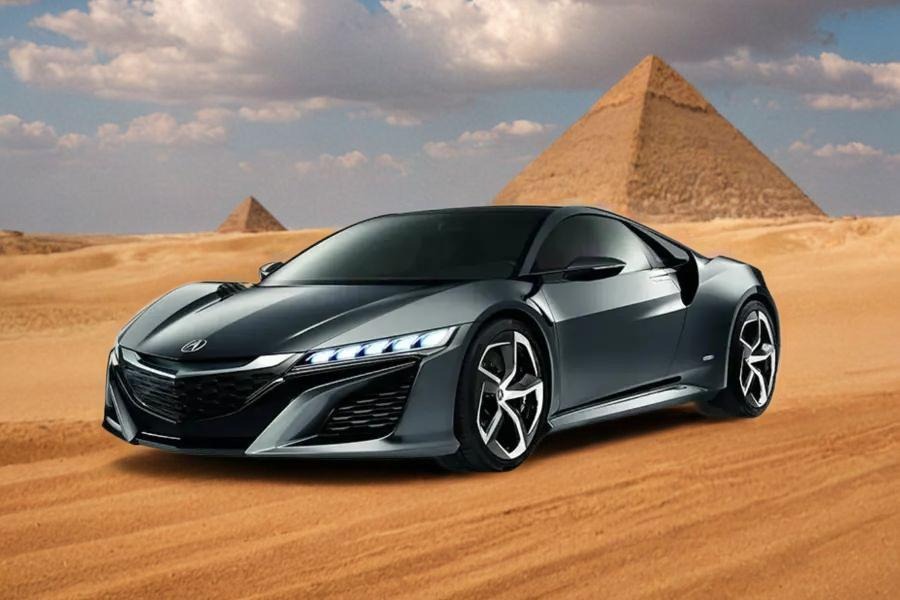
Luxury car brands are known for their high quality, advanced technology, and exceptional comfort. These brands, such as Mercedes-Benz, BMW, Audi, and Lexus, offer vehicles that are not just means of transportation but symbols of status and elegance. They feature premium materials, powerful engines, and the latest safety and entertainment technologies. Owning a luxury car often means enjoying a superior driving experience, exclusive design, and personalized customer service. These cars are crafted to provide a perfect blend of performance and luxury, appealing to those who seek both excellence and prestige in their vehicles.
What Makes a Car Brand Truly “Luxury”
Luxury car brands stand out not just because of price, but through a blend of craftsmanship, advanced technology, and a reputation for quality that goes beyond basic transportation. These brands distinguish themselves by offering premium materials — such as fine leather, wood or carbon-fibre trims — and superb build quality that rivals bespoke craftsmanship. Performance is another key factor: powerful engines, smooth ride quality, and refined handling that deliver both comfort and driving thrill. On top of that, luxury marques often lead with cutting-edge tech: from advanced safety and driver-assistance systems to high-end infotainment, customizable interiors, and features designed for maximum comfort and refinement. Ultimately, a luxury car brand isn’t just about status: it promises an elevated driving experience, a sense of exclusivity, and attention to detail that sets it apart from mainstream manufacturers.
The Essence of Luxury Car Brands
Luxury car brands are defined by their commitment to excellence in every aspect of vehicle production. These brands prioritize:
- Superior Materials: Use high-quality leather, wood, metal, and advanced composites.
- Advanced Technology: Integrating the latest safety, entertainment, and performance technologies.
- Performance: Powerful engines, smooth handling, and superior ride quality.
- Craftsmanship: Attention to detail and precision in manufacturing.

Historical Background
Luxury car brands have a rich history, often rooted in early automotive innovation. Brands like Rolls-Royce, Mercedes-Benz, and Cadillac have been pioneers, setting standards for what a luxury vehicle should embody.
- Leading Luxury Car Brands
- Mercedes-Benz
- Overview
Mercedes-Benz, a symbol of German engineering, offers a blend of luxury, performance, and innovation. Mercedes-Benz is known for its sedans, SUVs, and sports cars. Its cutting-edge technology continually pushes the envelope.
Key Models
- S-Class: The flagship model is renowned for its luxury and advanced features.
- E-Class: A versatile midsize sedan offering a perfect balance of luxury and performance.
- GLE: A luxury SUV that combines spaciousness with Mercedes’ signature comfort and style.
Features and Specifications
- M-BUX System: Advanced infotainment with voice control.
- Energizing Comfort: Wellness features to enhance the driving experience.
- Safety: Pre-safe technology and a suite of driver assistance systems.
BMW
BMW, another German powerhouse, is known for its driving dynamics and sporty appeal. With a range of vehicles from the compact 3 Series to the luxury 7 Series, BMW caters to drivers who crave performance and luxury.
Key Models
- 3 Series: A compact sedan with a sporty edge and advanced technology.
- 5 Series: A midsize sedan offering performance, luxury, and cutting-edge tech.
- X5: A luxury SUV with a focus on driving pleasure and versatility.
Features and Specifications
- iDrive System: Intuitive infotainment with gesture control.
- M Performance: High-performance models with enhanced power and handling.
- Safety: Active protection features and advanced driver aids.
Audi
Audi, known for its Quattro all-wheel-drive system and sleek design, offers a range of vehicles that blend technology, performance, and luxury. Audi caters to a diverse clientele, from the compact A3 to the opulent A8.
Key Models
- A4: A compact sedan with a focus on technology and driving dynamics.
- Q7: A luxury SUV offering space, comfort, and advanced features.
- R8: A supercar that combines breathtaking performance with luxury.
Features and Specifications
- Virtual Cockpit: Fully digital instrument cluster.
- Quattro AWD: Superior traction and handling.
- Safety: Pre-sense technology and a comprehensive suite of driver aids.
Lexus
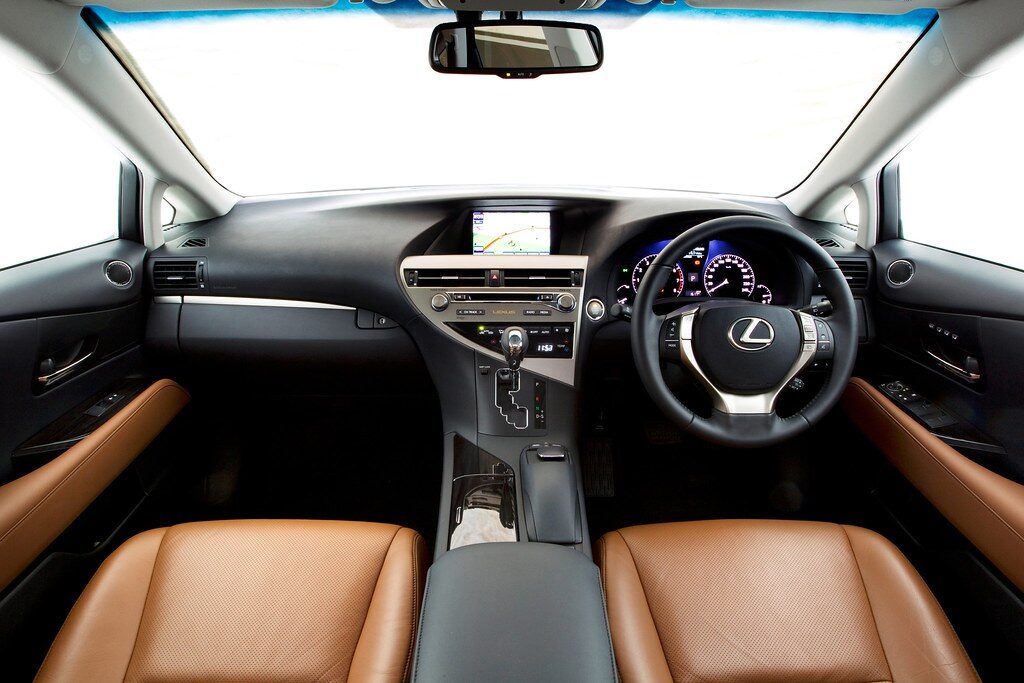
Lexus, Toyota’s luxury division, is known for its reliability, comfort, and innovative technology. It offers a range of sedans, SUVs, and hybrid models to provide a refined driving experience.
Key Models
- LS: The flagship sedan that exemplifies luxury and innovation.
- RX: A popular luxury SUV known for its comfort and advanced features.
- ES: A midsize sedan offering a smooth ride and upscale interior.
Features and Specifications
- Mark Levinson Audio: High-fidelity sound system.
- Lexus Safety System+: Advanced safety features.
- Hybrid Technology: Efficient and powerful hybrid models.
Other Notable Luxury Brands
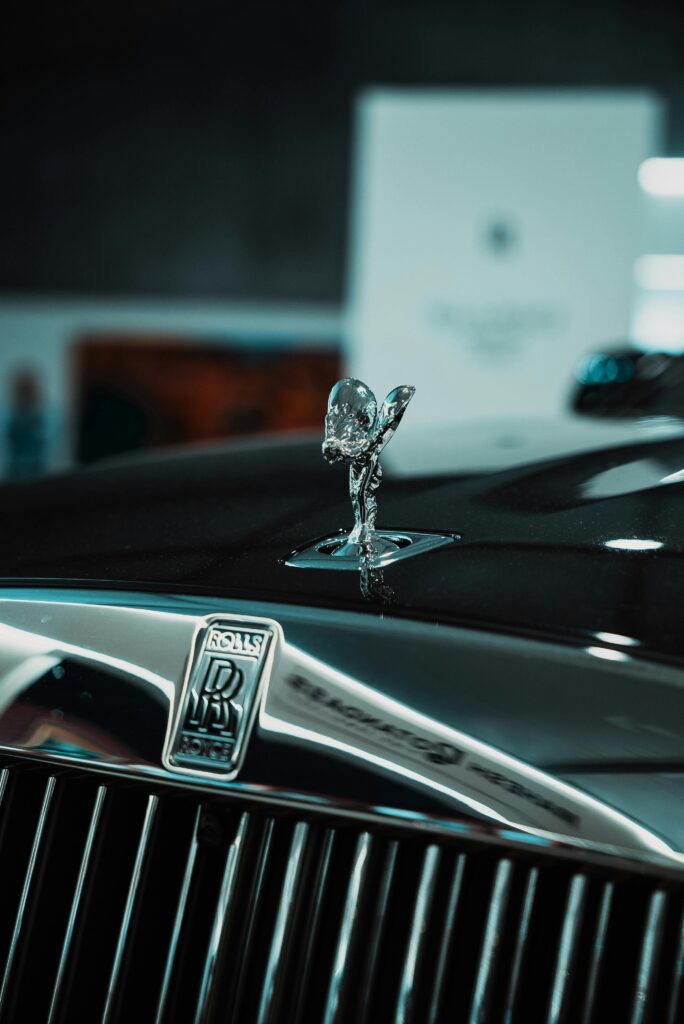
Rolls-Royce
Synonymous with ultimate luxury, Rolls-Royce vehicles are handcrafted and customized to the buyer’s specifications, offering unmatched luxury and attention to detail.
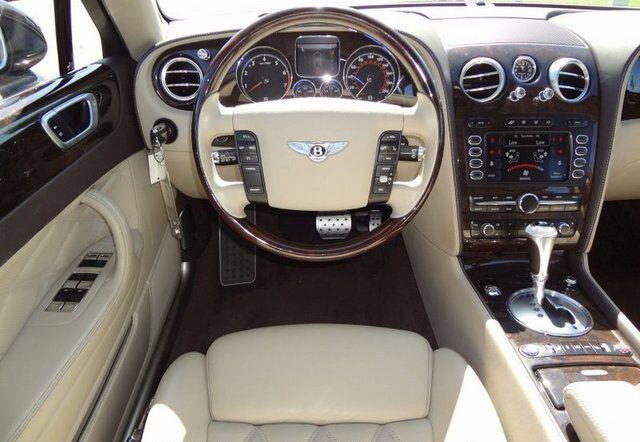
Bentley
Combining British craftsmanship with powerful performance, Bentley vehicles offer a unique blend of luxury and sportiness.
Porsche
Known for its performance-oriented sports cars, Porsche also offers luxury SUVs and sedans that deliver a thrilling driving experience.

Key Features of Luxury Car Brands
Interior and Comfort
Luxury car interiors are designed to provide the utmost comfort and sophistication. Key features include:
- Premium Materials: Leather, wood, metal, and custom options.
- Advanced Climate Control: Multi-zone climate systems.
- Seating: Massaging, heated, and ventilated seats with memory functions.
- Sound Systems: High-end audio systems from brands like Bose, Bang & Olufsen, and Burmester.
Technology and Infotainment
Luxury cars are renowned for their exceptional performance. They are hallmarks of high-end engines, advanced suspension systems, and superior handling. Whether it’s the roaring power of a V12 engine or the smooth acceleration of an electric motor, performance is a critical aspect of luxury cars.
Design and Aesthetics
The design of luxury cars blends artistic expression and functional excellence. These cars stand out with sleek lines, aerodynamic shapes, and meticulous attention to detail. Interior design is equally important, using premium materials like leather, wood, and metal to create an ambiance of sophistication and comfort.
Technological Advancements
Luxury car brands are at the forefront of automotive technology. These vehicles have the latest innovations, from advanced driver assistance systems (ADAS) to state-of-the-art infotainment systems. Features like adaptive cruise control, lane-keeping assist, and autonomous driving capabilities are becoming standard in many luxury models.
Comfort and Convenience
Comfort is paramount in luxury cars. Spacious interiors, ergonomic seats, and climate control systems ensure a pleasurable driving experience. Many luxury vehicles also offer massage seats, premium sound systems, and advanced connectivity options to enhance passengers’ comfort and convenience.
Luxury cars are equipped with the latest technology to enhance the driving experience:
- Infotainment Systems: Large, high-resolution screens with intuitive interfaces.
- Connectivity: Smartphone integration, Wi-Fi hotspots, and wireless charging.
- Driver Assistance: Adaptive cruise control, lane-keeping assist, and parking aids.
- Navigation: Advanced GPS systems with real-time traffic updates.
Performance and Handling
Performance is a cornerstone of luxury car brands, with features such as:
- Powerful Engines: Turbocharged, supercharged, and hybrid powertrains.
- Transmission: Smooth-shifting automatic and dual-clutch systems.
- Suspension: Adaptive and air suspension for a comfortable ride.
- Braking Systems: High-performance brakes for enhanced safety and control.
Safety Features

Safety is paramount in luxury vehicles, with advanced features including:
- Collision Avoidance: Automatic emergency braking and collision warning systems.
- Driver Monitoring: Systems to detect drowsiness and alertness.
- Surround View Cameras: 360-degree cameras for enhanced visibility.
- Advanced Airbags: Comprehensive airbag systems for all-around protection.
The Future of Luxury Car Brands
The future of luxury cars is moving towards sustainability, with many brands introducing electric and hybrid models. Examples include:
- Tesla Model S: A luxury electric sedan with impressive range and performance.
- Porsche Taycan: An electric sports car offering thrilling performance.
- Mercedes EQS: A luxury electric sedan with cutting-edge technology.
Autonomous Driving
Luxury car brands are at the forefront of autonomous driving technology. Features include:
- Self-Parking: Automated parking systems.
- sHighway Assist: Systems that allow semi-autonomous driving on highways.
- Future Prospects: Fully autonomous vehicles are being developed and tested.
Connectivity and Integration
Future luxury cars will be even more connected, with features such as:
- Smart Home Integration: Cars that can communicate with home systems.
- Personal Assistants: Advanced voice control and AI-driven personal assistants.
- Augmented Reality: Enhanced navigation and head-up displays using AR technology.
Pricing of Luxury Brand Cars
The pricing of luxury car brands typically reflects their superior craftsmanship, advanced technology, and exclusivity. These vehicles often start at a base price ranging from $50,000 to over $200,000, with high-end models and customizations pushing the price even higher. The substantial investment ensures a unique blend of performance, comfort, and prestige that distinguishes luxury cars from standard automobiles.
Mercedes-Benz

Entry-Level Models
- Mercedes-Benz A-Class: Starting around $35,000
- Mercedes-Benz C-Class: Starting around $45,000
Mid-Range Models
- Mercedes-Benz E-Class: Starting around $55,000
- Mercedes-Benz GLE: Starting around $60,000
High-End Models
- Mercedes-Benz S-Class: Starting around $110,000
- Mercedes-Benz GLS: Starting around $100,000
BMW
Entry-Level Models
- BMW 2 Series: Starting around $38,000
- BMW 3 Series: Starting around $43,000
Mid-Range Models
- BMW 5 Series: Starting around $55,000
- BMW X5: Starting around $62,000
High-End Models
- BMW 7 Series: Starting around $87,000
- BMW X7: Starting around $75,000
Audi
Entry-Level Models
- Audi A3: Starting around $35,000
- Audi Q3: Starting around $38,000
Mid-Range Models
- Audi A6: Starting around $56,000
- Audi Q7: Starting around $60,000
High-End Models
- Audi A8: Starting around $86,000
- Audi Q8: Starting around $70,000
Lexus
Entry-Level Models
- Lexus IS: Starting around $40,000
- Lexus NX: Starting around $40,000
Mid-Range Models
- Lexus ES: Starting around $42,000
- Lexus RX: Starting around $47,000
High-End Models
- Lexus LS: Starting around $80,000
- Lexus LX: Starting around $90,000
Rolls-Royce
High-End Models
- Rolls-Royce Ghost: Starting around $330,000
- Rolls-Royce Wraith: Starting around $350,000
- Rolls-Royce Phantom: Starting around $450,000
Bentley
High-End Models
- Bentley Continental GT: Starting around $220,000
- Bentley Flying Spur: Starting around $230,000
- Bentley Bentayga: Starting around $180,000
Porsche
Entry-Level Models
- Porsche Macan: Starting around $55,000
- Porsche 718 Cayman: Starting around $60,000
Mid-Range Models
- Porsche Cayenne: Starting around $70,000
- Porsche Panamera: Starting around $90,000
High-End Models
- Porsche 911: Starting around $105,000
- Porsche Taycan: Starting around $90,000
Tesla
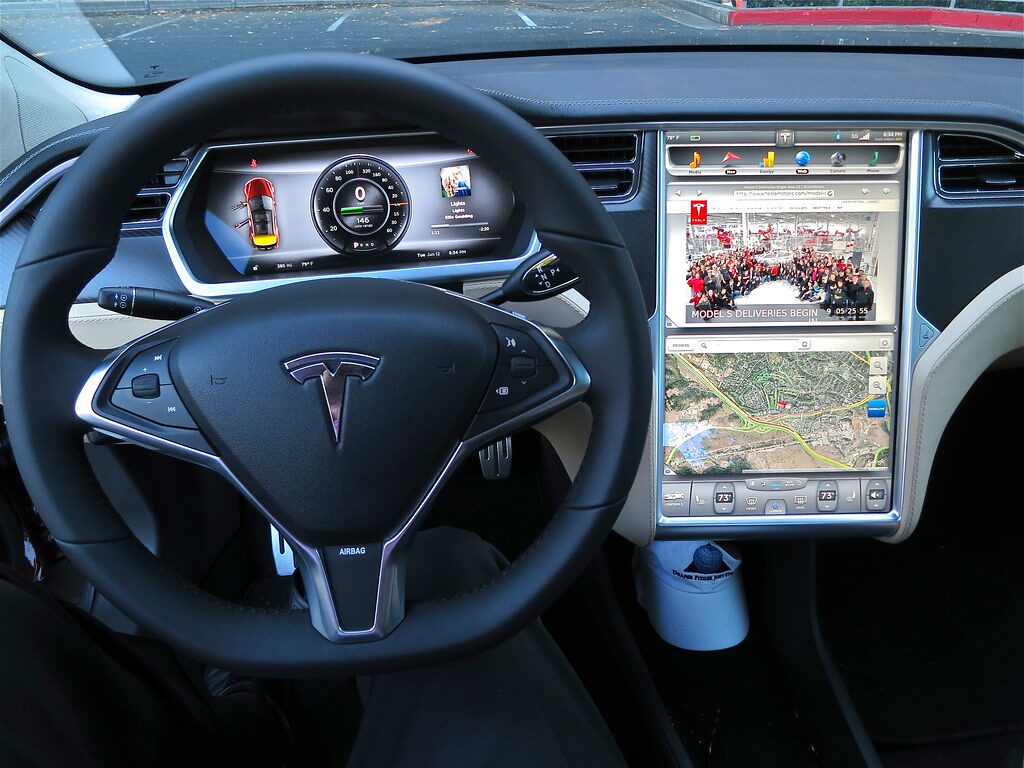
Entry-Level Models
Tesla Model 3: Starting around $40,000
Tesla Model Y: Starting around $50,000
Mid-Range Models
Tesla Model S: Starting around $90,000
Tesla Model X: Starting around $100,000
High-End Models
Tesla Model S Plaid: Starting around $130,000
Tesla Model X Plaid: Starting around $140,000
Read More: 2025 Chevy Silverado
Factors Influencing Pricing
Customization Options
- Luxury car brands offer extensive customization options, which can significantly increase the price. Features such as bespoke interiors, unique paint jobs, and advanced technology packages add to the cost.
- Technology and Features
- Advanced technology and safety features also influence the pricing. High-end infotainment systems, driver assistance technologies, and cutting-edge performance enhancements contribute to the premium pricing of luxury cars.
Performance Specifications
Engines, transmissions, and suspension systems designed for superior performance are more expensive to produce and contribute to the higher cost of luxury vehicles—models with higher horsepower, advanced handling capabilities, and exceptional ride quality command higher prices.
Conclusion
Luxury car brands offer the best quality, technology, and performance, making them a top choice for those who want more than just a vehicle. Their elegant designs and advanced features provide a unique driving experience. Whether you’re looking for comfort, power, or status, luxury cars have something unique to offer. These brands set the standard for what a premium car should be.
Apart from that, if you want to know about “Toyota Crown Signia” then please visit our “Automobile” Category
FAQs
A premium car offers upgraded features and materials, while a true luxury car represents the highest standard of refinement in design, craftsmanship, and technology. Luxury vehicles typically offer more advanced comfort, customization, and performance capabilities.
Luxury cars often justify their price through better build quality, smoother performance, advanced safety systems, and enhanced comfort features. Buyers also value the prestige, longevity, and higher resale potential associated with premium brands.
Brands such as Rolls-Royce, Bentley, Mercedes-Benz, BMW, Audi, and Lexus are often ranked among the top luxury marques. Each is known for combining premium comfort with advanced engineering and elegant design.
A luxury car brand is defined by superior craftsmanship, high-quality materials, advanced technology, refined performance, and an exceptional ownership experience. These brands focus on comfort, exclusivity, and premium features that go beyond basic transportation.
Buyers choose luxury cars for comfort, status, advanced technology, strong performance, and the sense of exclusivity they provide. Many also appreciate the superior craftsmanship and long-term driving satisfaction offered by premium brands.