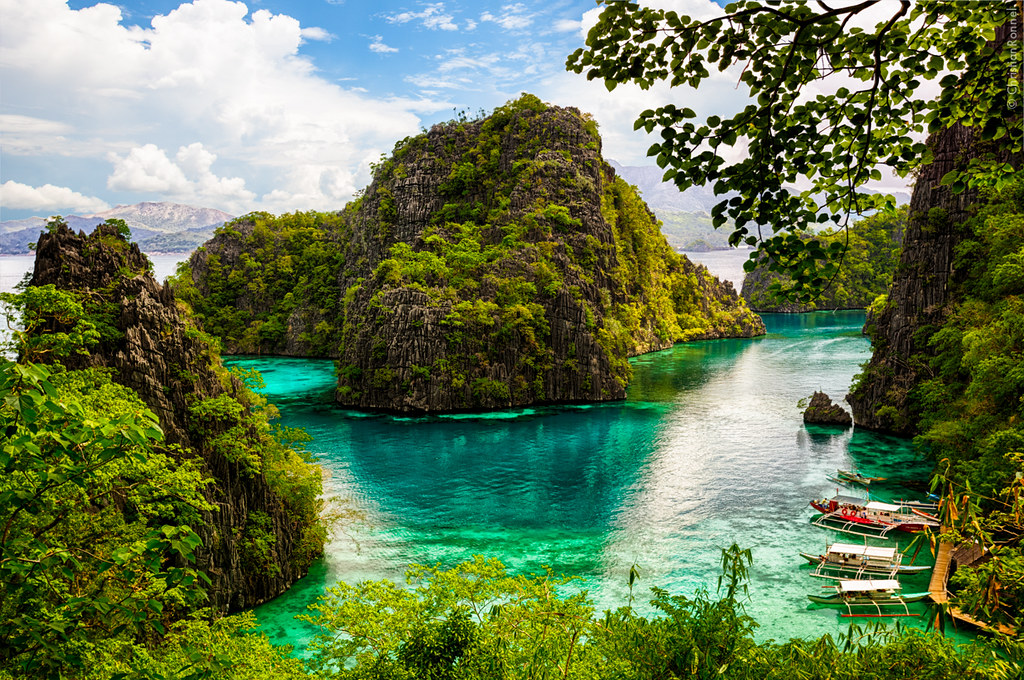
Introduction
Island hopping is an exciting way to explore multiple islands in one trip. This travel method lets you visit islands with unique charm and attractions. Whether seeking beautiful beaches, rich cultures, or stunning landscapes, island hopping offers diverse experiences in a single journey. Imagine moving from one tropical paradise to another, discovering hidden gems, and enjoying different activities on each island. It’s a popular choice for adventurous travelers who want to make the most of their vacation by exploring various places. Island hopping turns a simple trip into an unforgettable adventure with new sights and experiences.
Why Island Hopping Adds Magic to Your Vacation
Island hopping transforms a standard beach holiday into a vibrant journey of discovery and variety. Instead of spending a full vacation on a single island, you can traverse a chain of islands in one trip — hopping by boat, ferry, or short flights — and sample a rich mix of landscapes, cultures, and experiences. Each island often features its own unique charm: one day you might lounge on a sandy beach and snorkel in turquoise waters, the next stroll through quaint village streets, savor local cuisine, or hike forested trails. This flexible travel style allows you to tailor your pace and interests — whether that’s relaxing, exploring hidden gems off the beaten path, or immersing yourself in local life. For travellers craving diversity, adventure, and spontaneity, island hopping is arguably the ultimate way to make the most of a single voyage.
The Allure of Island Hopping
Island hopping is more than just traveling from one island to another. It’s about immersing yourself in different cultures, landscapes, and adventures. Each island has its unique charm, whether it’s pristine beaches, lush jungles, vibrant local markets, or historical sites. Island hopping allows you to experience a variety of environments and activities, making it an ideal choice for travelers seeking diversity.
Planning Your Island Hopping Adventure
Choosing Your Destination
- The first step in planning an island hopping trip is choosing your destination. Famous island-hopping regions include:
- The Caribbean: Known for its crystal-clear waters and vibrant marine life.
- The Greek Islands: Famous for their picturesque views, historical ruins, and charming villages.
- Southeast Asia: Offers a mix of bustling cities, tranquil beaches, and rich cultural experiences.
Best Time to Go
The best time to go island hopping is during the shoulder seasons, typically in late spring (April to June) and early autumn (September to October). During these periods, the weather is usually pleasant and mild, avoiding summer’s extreme heat and humidity or the potential storms and cooler temperatures of winter. Additionally, these times often see fewer tourists, making for a more enjoyable and less crowded experience, with potentially lower prices for accommodation and activities.
Budgeting and Costs
The budget and cost for island hopping vary widely depending on the destination and season. Essential expenses include transportation (ferries, flights, or boats), accommodation, meals, and activities. Planning and traveling during off-peak seasons can significantly reduce costs. Opting for local eateries, budget-friendly lodgings, and public transport over private tours can help manage expenses, ensuring a memorable island-hopping adventure without breaking the bank.
Essential Packing List
Packing for an island-hopping adventure requires a balance between essentials and light packing. Here are some must-haves:
- Lightweight Clothing: Breathable fabrics for warm weather.
- Swimwear: Multiple swimsuits for beach days and water activities.
- Comfortable Footwear: Sandals for the beach and sturdy shoes for exploring.
- Sun Protection: Sunscreen, hats, and sunglasses.
- Travel Documents: Passports, tickets, and any necessary visas.
- Health Essentials: Basic first aid kit and any personal medications.
- Reusable Water Bottle: Staying hydrated is vital in tropical climates.
Modes of Transportation
Ferries and Boats
- Ferries and boats are standard modes of transportation in island hopping.
- They offer scenic views and are often the most affordable option.
- Some regions have well-connected ferry networks, making travel between islands convenient.
Flights
- For longer distances or to save time, consider taking a flight.
- Many island destinations have regional airports with regular flights.
- Keep in mind that flights can be more expensive than ferries.
Private Charters
- For a more personalized experience, private boat charters are available.
- They offer flexibility in your itinerary and the chance to explore less-visited islands.
Top Island Hopping Destinations
The Caribbean
- Bahamas: With over 700 islands, the Bahamas offers endless exploration opportunities. Highlights include Nassau, Exuma, and Eleuthera.
- St. Vincent and the Grenadines: Known for their stunning beaches and vibrant marine life. Must-visit islands include Bequia and Mustique.
- British Virgin Islands: A sailor’s paradise with pristine waters and numerous isles to explore, including Tortola and Virgin Gorda.
The Greek Islands
- Cyclades: This popular island group includes Mykonos, Santorini, and Naxos. Each island offers a unique blend of culture, history, and natural beauty.
- Ionian Islands: Known for their lush landscapes and charming towns. Corfu, Zakynthos, and Kefalonia are highlights.
- Dodecanese: Less crowded but equally beautiful, with islands like Rhodes, Kos, and Patmos.
Southeast Asia
- Thailand: The islands of Koh Samui, Koh Phangan, and Koh Tao are famous for their stunning beaches and vibrant nightlife.
- Indonesia: Bali, Lombok, and the Gili Islands offer cultural experiences and natural wonders.
- Philippines: With over 7,000 islands, the Philippines is a paradise for island hopping. Palawan, Cebu, and Boracay are top destinations.
Activities and Experiences
Beach Hopping
Beach hopping for island hopping offers an exciting way to explore multiple pristine beaches across various islands. This adventure allows travelers to experience diverse landscapes, from secluded coves to vibrant beach resorts, all while enjoying activities like swimming, snorkeling, and sunbathing. Planning an island trip focusing on beach hopping ensures a blend of relaxation and adventure, creating unforgettable memories. Researching the best beaches and ferry schedules in advance can optimize the experience, making the most of the time spent on each stunning shoreline.
Snorkeling and Diving
Smoking and diving for island hopping is an adventure that combines the thrill of exploring underwater ecosystems with the relaxation of enjoying a smoke break on remote islands. While diving enthusiasts delve into the mesmerizing world beneath the waves, discovering vibrant coral reefs and diverse marine life, smokers can unwind on pristine beaches, soaking in the sun and sea breeze between dives. Smokers need to adhere to designated smoking areas and dispose of cigarette butts responsibly to preserve the natural beauty of the islands.
Timing Your Trip
The best time to go island hopping depends on your destination. Some islands are best visited during the dry season when the weather is mild and there is minimal rainfall. Others are worth exploring year-round, offering unique experiences in every season. Researching your chosen destination’s climate and weather patterns is essential for planning the perfect trip.
Hiking and Nature Walks
- Beyond the beaches, many islands offer hiking and nature walks.
- Explore lush jungles, climb volcanic peaks, and discover hidden waterfalls.
- Hiking is a great way to experience the islands’ natural beauty and enjoy panoramic views.
Cultural Experiences
Island hopping is also an opportunity to immerse yourself in local cultures. Visit traditional villages, attend local festivals, and sample regional cuisine. Each island has its cultural identity, providing a rich tapestry of experiences.
Book in Advance
- Book accommodations and transportation to ensure a smooth trip, especially during peak travel seasons.
- This helps secure the best deals and ensures availability.
Travel Light
- Since you’ll be moving frequently, pack light.
- A manageable backpack or suitcase makes traveling between islands easier.
- Remember to bring essentials, but avoid overpacking.
Stay Flexible
- While planning is essential, staying flexible allows you to adapt to changes in weather or unexpected opportunities.
- Be open to altering your itinerary to make the most of your trip.
Respect Local Customs
- Each island may have its customs and traditions.
- Respect local practices and be mindful of cultural differences.
- This enhances your travel experience and fosters positive interactions with locals.
- Environmental Considerations
- Minimize Your Impact
- Island ecosystems can be fragile. Minimize your environmental impact by avoiding single-use plastics, participating in beach clean-ups, and respecting local wildlife. Choose eco-friendly accommodations and tour operators.
Support Local Communities
- Support local communities by purchasing locally made products, eating at local restaurants, and hiring local guides.
- This contributes to the local economy and ensures that tourism benefits the residents.
Navigating the Seas
Modes of Transportation: Whether by ferry, yacht, or traditional boat, the journey between islands is as exhilarating as the destinations. Select the form of transportation that best fits your financial and aesthetically needs. Embracing the Journey: Embrace the rhythm of the ocean as you sail from one island to the next, soaking in panoramic views of distant horizons and feeling the sea breeze on your skin.Safety Considerations: Prioritize safety by adhering to maritime regulations, wearing appropriate safety gear, and staying informed about weather conditions and potential hazards.
Exploring Island Gem
Sun-Kissed Beaches: Spend lazy days lounging on pristine beaches, where powdery sands meet crystal-clear waters and palm trees sway in the gentle breeze. Underwater Adventures: Dive into the vibrant world beneath the waves, where coral gardens teem with colorful marine life and ancient shipwrecks tell tales of bygone eras.Cultural Encounters: Immerse yourself in the rich tapestry of island cultures, from lively festivals and traditional ceremonies to artisan workshops and culinary delights.
Impacts of Island Hoping
Island hopping can positively and negatively impact the destinations visited and the environment.
Positive Impacts:
- Economic Benefits: Island hopping can stimulate local economies by supporting businesses such as hotels, restaurants, tour operators, and artisans. This influx of tourism revenue can create job opportunities and improve infrastructure in remote island communities.
- Cultural Exchange: Travelers in island hopping often interact with local communities, fostering cultural exchange and understanding. This can lead to preserving and celebrating traditional customs, languages, and crafts.
- Environmental Awareness: Island hopping provides opportunities for travelers to appreciate and connect with the natural beauty of remote islands, fostering a sense of stewardship and environmental awareness. Many island destinations rely on ecotourism, encouraging conservation efforts to protect fragile ecosystems.
Negative Impacts:
- Environmental Degradation: Increased tourism can stress delicate island ecosystems, leading to habitat destruction, pollution, and overuse of natural resources. Snorkeling, diving, and boating can damage coral reefs and disturb marine life.
- Cultural Disruption: Rapid tourism development can lead to cultural homogenization and the erosion of traditional ways of life. Local communities may face social and economic challenges, including displacement and loss of cultural identity.
- Infrastructure Strain: Small islands may struggle to accommodate large numbers of tourists, leading to overcrowding, traffic congestion, and pressure on essential services such as waste management and water supply.
Exploring Island Treasures
Every island has hidden gems just waiting to be found. Spend your days snorkeling in crystal-clear waters, hiking through lush forests, or simply relaxing on pristine beaches. Immerse yourself in the local culture by sampling traditional cuisine, exploring colorful markets, and interacting with friendly locals. Everyone may find something to enjoy, whether they are looking for adventure or relaxation.
Responsible Island Hopping
As travelers, it’s important to remember our role in preserving the natural beauty of the islands we visit. Respect local customs and traditions, minimize your environmental impact by reducing waste and conserving water, and support local businesses and communities. By practicing responsible tourism, we can ensure that future generations can continue to enjoy the wonders of island hopping for years to come.
Read More: – Best Countries to Visit in November: The Best Places for an Unforgettable Experience
Conclusion
Island hopping is an amazing adventure that allows you to explore a variety of beautiful and unique islands. From snorkeling in crystal-clear waters to hiking lush trails and relaxing on pristine beaches, each island offers its own special charm and experiences. You get to immerse yourself in different cultures, meet friendly locals, and enjoy stunning natural landscapes. Whether in the Caribbean, Southeast Asia, or the Greek Islands, island hopping promises a journey full of discovery, relaxation, and unforgettable memories.
Apart from that if you want to know about “Best Countries to Visit in August” then please visit our “TRAVEL” Category
FAQs
Set out on an exciting island-hopping journey to discover many magnificent islands with perfect beaches, beautiful oceans, and incredible visual beauty.
It’s a fantastic way for people to quickly travel to many cultures and environments.
It was acknowledged that the Allies now had forward air bases with which to hit enemy forces wherever they might be, thanks to the island-hopping campaign.
Essential items include lightweight clothing, swimwear, sunscreen, water shoes, a dry bag, snorkeling gear, and a portable charger. A light backpack is easier to carry than a large suitcase when moving between islands.
Island hopping is a travel style where you visit multiple islands in one trip rather than staying on a single island. Travelers move between islands using boats, ferries, or short domestic flights, experiencing different beaches, cultures, and landscapes along the way.