Introduction
Bob Seger, a name that echoes the golden era of rock and roll, continues enthralling audiences as he embraces his 78th year. Born on May 6, 1945, in Detroit, Michigan, Seger’s transition from a local Detroit musician to an international rock legend is a testament to his unwavering passion and resilience. Let’s delve into Seger’s life and career, Bob Seger age, a journey that inspires with its steadfast dedication to music over the decades.
| Category | Information |
| Name | Bob Seger |
| Bob Seger Age | 80 years |
| Height | 1.79 m |
| Birthdate | May 6, 1945 |
| Zodiac Sign | Taurus |
| Birthplace | Detroit, Michigan |
| Relationship Status | Married |
| Nationality | United States |
Early Life and Musical Beginnings
Robert Clark Seger was born into a blue-collar family, and his formative years in Detroit left an indelible mark on his musical style. Detroit, renowned for its vibrant music scene, particularly in Motown and rock, served as the perfect backdrop for Seger’s burgeoning talent. He began his music career in the early 1960s, playing in local bands and refining his craft. His first taste of success came with the release of ‘Ramblin’ Gamblin’ Man’ in 1968, a song that showcased his raw voice and storytelling prowess.
Bob Seger — Rock’s Working-Class Voice and Enduring Legacy
Born on May 6, 1945, Bob Seger grew from his Midwestern roots into one of the most influential figures in American rock music. Known for his signature raspy vocals and storytelling style, he captured the spirit of working-class life, nostalgia, and personal reflection through his songs. His rise accelerated when he formed the Silver Bullet Band, helping him deliver powerful performances and classic hits that became anthems across generations. With iconic tracks like “Night Moves,” “Old Time Rock and Roll,” and “Turn the Page,” Seger carved a place in music history built on authenticity, emotional depth, and relatable themes. Even with a reduced presence on stage in recent years, his music continues to resonate with audiences who connect deeply with his honest, soulful sound.
Bob Seger Age
Bob Seger stands as a timeless icon at the age of 79, embodying the enduring spirit of American rock music. Over his expansive career, Seger has witnessed and influenced numerous musical eras, yet his voice and storytelling remain as compelling as ever. His ability to connect with audiences through heartfelt lyrics and soulful melodies transcends generations, proving that Bob Seger age is but a number for this legendary artist. Even as he approaches eight decades of life, Seger’s passion for music and performance continues to inspire, making him a living testament to the ageless power of rock and roll.
Bob Seger Height
Standing 5 feet 11 inches, Bob Seger has always been a towering figure in rock music. While his physical stature is modest, his presence on stage and impact on the music industry are immense. Seger’s commanding stage presence, powerful voice, and passionate performances have captivated audiences for decades, proving that his height is measured by his influence and the depth of his artistry. Though an exciting detail, his height pales compared to the colossal legacy he has built through his timeless music and unforgettable live shows.
Rise to Stardom
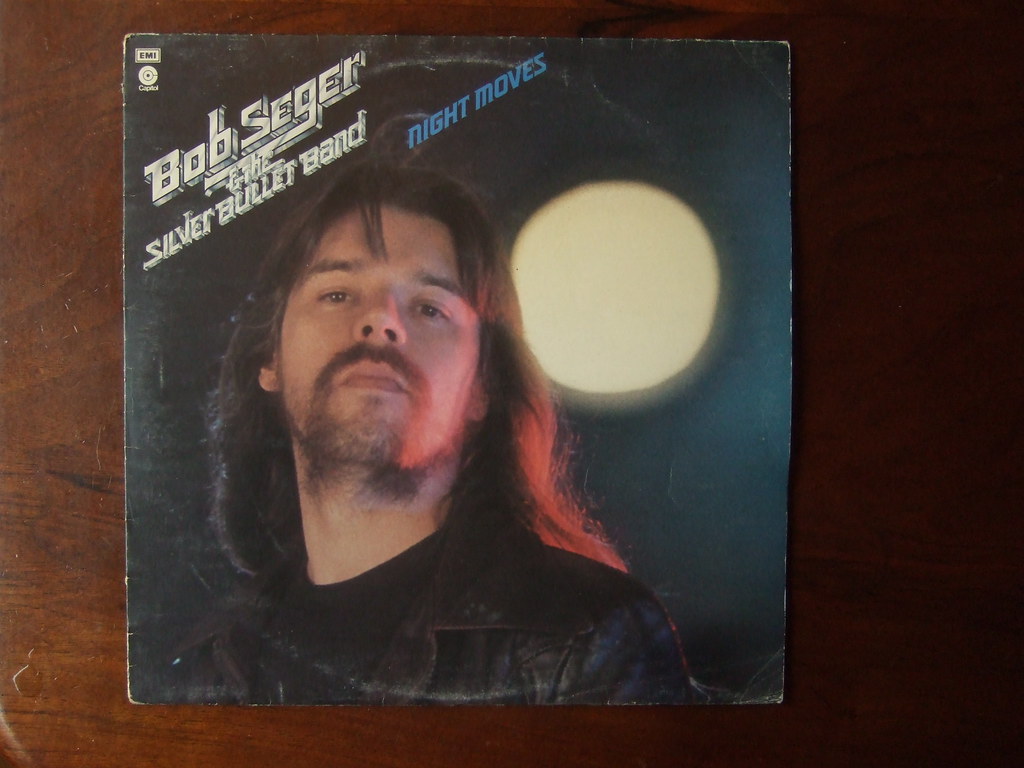
The 1970s and 1980s were the pinnacle of Seger’s career. Albums like “Night Moves” (1976), “Stranger in Town” (1978), and “Against the Wind” (1980) propelled him to stardom. Songs such as “Night Moves,” “Turn the Page,” and “Old Time Rock and Roll” became anthems of a generation, reflecting themes of youth, nostalgia, and resilience. Seger’s music resonated with audiences worldwide with its heartfelt lyrics and powerful melodies.
Longevity in the Music Industry
Bob Seger’s ability to sustain a successful music career for over five decades is a testament to his talent and adaptability. While many artists fade into obscurity, Seger has managed to stay relevant by evolving his sound while remaining true to his musical roots. His ability to connect with fans through honest and relatable lyrics has been a critical factor in his enduring popularity. Even as music trends have shifted, Seger’s timeless style has remained a constant, attracting longtime fans and new listeners.
Singing versus speaking
How breathing is used to vibrate the vocal cords distinguishes singing from speaking. The longer, higher, and louder one sings, the more breath is required for singing. It also demands more precise control over breath emissions. The way an instrumentalist uses their breath when playing a reed instrument, such as a clarinet, oboe, or saxophone, is a relevant analogy.
Seger’s singing technique, with its unique coordination of different anatomical mechanisms to generate a consistent flow of sound, is a true marvel. The control of the larynx’s movement and reflexes necessary for singing is another way singing differs from speaking, showcasing Seger’s exceptional talent.
The character of Western singing
The primary characteristic of Western singing is its volume. Other cultural singers probably have a more comprehensive range, especially in the upward extension department, but they probably haven’t sung louder. Another characteristic that sets apart Western singing is its focus on color, tone quality, and pure sound—that is, the perceived inherent beauty of the voice. In Western music, more than any other genre, singers and their listeners tend to forget about the linguistic origins of songs and view singing as an entirely instrumental production.
Iconic Albums and Memorable Hits
Bob Seger’s discography is a testament to his versatility and enduring appeal. Following the success of “Night Moves,” Seger released a string of iconic albums that solidified his place in rock history. “Stranger in Town” (1978) and “Against the Wind” (1980) are among his most celebrated works, each achieving multi-platinum status.
“Stranger in Town” produced timeless tracks like “Still the Same,” “Hollywood Nights,” and “We’ve Got Tonight.” These songs showcased Seger’s ability to blend rock anthems with poignant ballads. “Against the Wind” featured hits such as “Fire Lake” and the title track, earning Seger two Grammy Awards and further cementing his legacy.
The Live Performance Phenomenon
Bob Seger’s live performances have always been a significant aspect of his appeal. Known for his dynamic stage presence and powerful vocals, Seger’s concerts are legendary. The live album “Live Bullet” (1976), recorded at Detroit’s Cobo Hall, is one of the best-selling live albums ever. Tracks like “Turn the Page” and “Travelin’ Man/Beautiful Loser” became concert staples, capturing Seger’s live shows’ raw energy and emotional depth.
The Decibels and The Town Criers
In 1961, Bob Seger made his musical debut in Detroit as the lead singer of the Decibels, a three-piece band. Pete Stanger played guitar, R.B. Hunter played drums, and Seger performed on guitar, piano, keyboards, and vocals. Each member went to Ann Arbor High School. In 1961, The Decibels recorded a demo tape of “The Lonely One” at Del Shannon’s recording studio.
“The Lonely One” was not only Seger’s first original song but also his first song to be played on the radio; it was played just once on an Ann Arbor radio station. With Seger’s consent, a recording of “The Lonely One” reappeared in 2021 and was played twice on Detroit’s WCSX-FM on March 15 and 16 mornings.
Doug Brown & The Omens
Seger got to know Doug Brown, who was performing with a band called The Omens, as the Town Criers started getting more gigs. With a more extensive fan base than the Town Criers, Seger joined Doug Brown & The Omens. Seger occasionally took the lead vocals on the group’s songs, covering R&B hits, although Brown was still the group’s primary lead vocalist. Seger made his recording debut with this group on the 1965 single “TGIF,” backed by “First Girl” and credited to Doug Brown and The Omens.
This was Seger’s first official release. Later, Seger appeared in the parody of Barry Sadler’s song “Ballad of the Green Berets” by Doug Brown and The Omens, dubbed “Ballad of the Yellow Beret,” and made fun of draft evaders. Sadler and his record label threatened Brown soon after it was released.
Bob Seger Today
At 78, Bob Seger’s passion for music is as strong as ever. Despite announcing his retirement from touring in 2018, he remains a beloved figure in the music world. His final tour, “The Travelin’ Man Tour,” was a poignant farewell to his fans, celebrating a career of over 50 years. However, retirement from touring hasn’t meant retirement from music. Seger has hinted at the possibility of new music, and his existing catalog continues to be celebrated and rediscovered by new generations.
Solo
The System vanished after Mongrel (1970) fell short of Ramblin’ Gamblin’ Man (1969)’s success. After the split, Seger briefly considered becoming a one-person show. His debut solo album, the all-acoustic Brand New Morning, was released in 1971. Due to the album’s lack of success on the market, he left Capitol Records.
After regaining his appreciation for bands, Seger started performing with Teegarden & Van Winkle, a duo with a hit single titled “God, Love, and Rock & Roll” in 1970. They collaborated to record Smokin’ O.P.’s (1972), which Punch Andrews’ own Palladium Records released. Most of the album’s tracks were covers, and one of them, “If I Were a Carpenter” by Tim Hardin (No. 76), became a modest hit.
The Silver Bullet Band
Seger founded the Silver Bullet Band in 1974. Bassist Chris Campbell, saxophonist and backing vocalist Alto Reed, drummer and backing vocalist Charlie Allen Martin, keyboardist and backing vocalist Rick Manasa, and guitarist Drew Abbott were among its original members. The Detroit hard-rock hit “Get Out of Denver” was included on Seger’s 1974 album Seven, which he released with this new band filling in here and there. This song succeeded and peaked at No. 80 on the US charts.
The Man Behind the Music
Bob Seger’s longevity in the music industry can be attributed to his unwavering dedication to his craft and ability to evolve while staying true to his roots. His authenticity and relatability have endeared him to millions of fans worldwide. Even as he ages, Seger’s music provides comfort, inspiration, and joy.
Personal Life
Bob Seger’s personal life and experiences have profoundly influenced his music. Despite his fame, Seger has remained grounded and connected to his roots. His songs often reflect themes of love, loss, and the passage of time, resonating with fans from all walks of life.
Seger’s influences range from classic rock and roll to the soulful sounds of Motown. Artists like Little Richard, Elvis Presley, and James Brown significantly influenced his musical style. Seger’s ability to weave these influences into his music has made him a versatile and relatable artist.

Marriages and Children
Bob Seger’s personal life saw its share of ups and downs, particularly in his relationships. He was first married to Renee Andrietti in 1968, but the marriage was short-lived, ending in divorce a year later. His second marriage was to Annette Sinclair in 1987, a union ending in divorce within a year.
Despite these early setbacks, Bob Seger found lasting love with his third wife, Juanita Dorricott. The couple married in 1993 and have shared a strong, enduring relationship. Together, they have two children: a son, Christopher Cole Seger, and a daughter, Samantha Char Seger.
Bob Seger’s Relationship with His Family
Despite his demanding career, Bob Seger has always valued family. Known for his grounded personality, Seger has often expressed that his family is his anchor. In interviews, he has credited his wife, Juanita, for providing him with stability and support throughout his career. The couple’s relationship is characterized by mutual respect and a deep bond that has weathered life’s challenges in the public eye.
Legacy and Influence
Bob Seger’s impact on the music industry is profound. He has sold over 75 million records worldwide, and his influence can be seen in countless artists across various genres. Seger’s music has a timeless quality, often evoking a sense of nostalgia and emotional connection that transcends Bob Seger age. His induction into the Rock and Roll Hall of Fame in 2004 and the Songwriters Hall of Fame in 2012 testify to his enduring legacy.
Read More: – Brian Chira: A Rising Star In The Digital Age
Conclusion
Bob Seger symbolizes rock and roll’s enduring spirit. His music inspires and entertains, proving that Bob Seger age is a number for true artistry. As fans look back on his remarkable career, they celebrate not just the music but the man who has given so much to the world of rock and roll. Bob Seger’s legacy is one of authenticity, passion, and timeless appeal, ensuring that his music will live on for generations to come.
Apart from that if you want to know about “ Art Garfunkel Age” then please visit our “ENTERTAINMENT” Category.
FAQs
Bob Seger’s timeless songwriting, powerful voice, and relatable lyrics have helped maintain his relevance. His music continues to be featured in movies, commercials, and television shows, introducing new generations to his work.
Bob Seger’s music has influenced numerous artists across various genres. His storytelling and rock and roll spirit have left a lasting impact on the music industry.
Bob Seger and his family reside in Orchard Lake Village, Michigan. They have chosen to stay close to Bob’s roots, valuing the sense of community and privacy that the area offers.
His music speaks to universal themes like nostalgia, resilience, love, and struggle. Combined with his distinctive voice and songwriting talent, he has created a legacy that spans decades.
While he has reduced touring and public activity, his influence remains strong, and his music continues to be celebrated by fans of all ages.