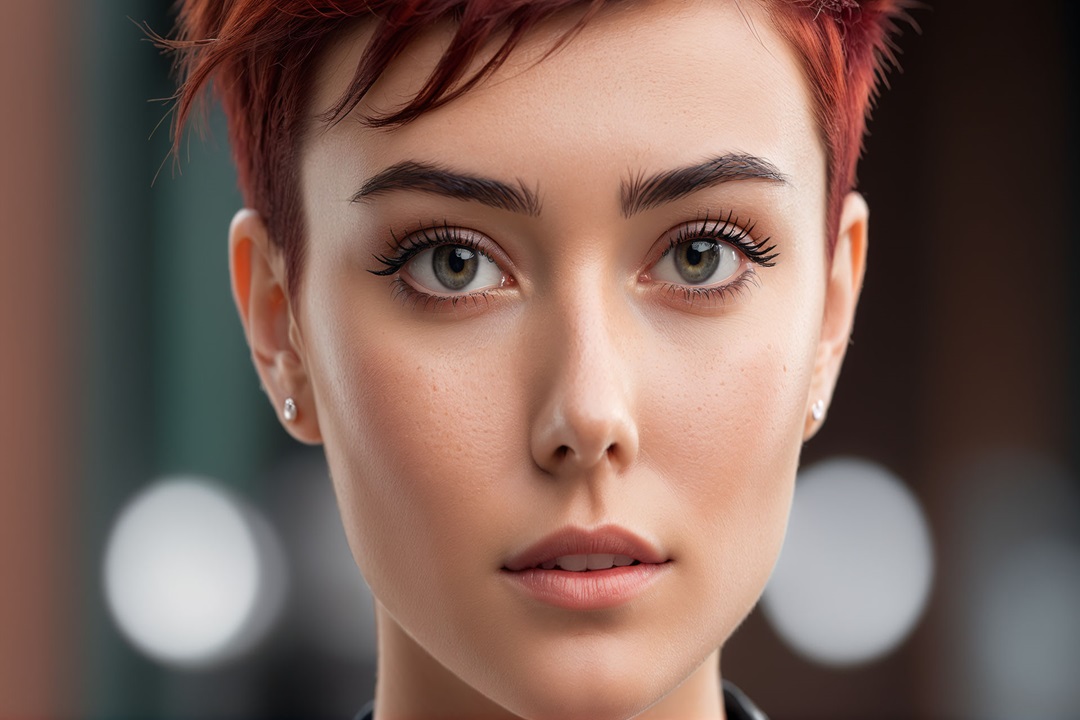
The pixie cut has become a symbol of modern femininity, offering a bold and chic look that’s both edgy and timeless. This iconic hairstyle has captivated women for decades, evolving and adapting to the ever-changing trends of the fashion world. Whether you’re seeking a low-maintenance style, a dramatic transformation, or simply a fresh new look, the pixie cut offers a world of possibilities.
But with so many variations, choosing the proper pixie cut can feel overwhelming. Fear not! This comprehensive guide will explore the diverse world of pixie cuts, showcasing different styles, providing tips for choosing the perfect match, and offering styling advice to help you achieve your dream short hair look.
| Pixie Cut Origin | The pixie cut’s roots trace back to the 1920s, emerging as a symbol of rebellion against traditional feminine hairstyles. |
| Pixie Cut Styling Types | Common styling techniques include blow drying with a round brush, using a comb to create parts, and adding texture with mousse, wax, or hairspray. |
| Variants | * Classic Pixie: Short sides, longer top, often with a side part. * Choppy Pixie: Uneven lengths and textured layers. * Long Pixie: Longer top and slightly longer sides. * Asymmetrical Pixie: Uneven lengths and angles. * Pixie with Undercut: Shaved or closely cropped sides with a longer top. |
| Men’s Styles | Men’s pixie cuts often feature a slightly longer top and shorter sides, with variations in texture and styling. |
| Girl’s Styles | Styles for girls often feature softer layers and playful textures. |
| Haircut Prices | Prices falls anywhere from $20 to $100 for a pixie cut depending upon the salon. |
| Celebrities who adopt this | * Audrey Hepburn * Mia Farrow * Anne Hathaway * Halle Berry * Michelle Williams * Emma Watson * Jennifer Lawrence and more |
| Wikipedia Link | …/wiki/Pixie_cut |
Why the Pixie Cut Remains a Bold, Timeless Statement
The Pixie Cut continues to stand out as a haircut that effortlessly blends boldness with elegance: cropped close on the sides and back, yet left slightly longer on top, it frames the face beautifully while highlighting the wearer’s natural features. Its origins stretch back decades — popularized by icons who rejected traditional long styles in favour of something fresh and freeing — and over time the pixie has evolved into a versatile canvas: whether sleek and polished or textured and edgy, it adapts to different face shapes, hair textures, and personal styles. Because the haircut uses short lengths, it’s easier to manage than longer styles, making it ideal for those seeking a low-maintenance yet fashionable look. For anyone looking to redefine their silhouette with confidence and simplicity, the pixie remains a powerful choice that is as classic now as ever.
Brief History of the Pixie Cut
The pixie cut’s roots trace back to the 1920s when it emerged as a symbol of rebellion against traditional feminine hairstyles. The iconic “flapper” era saw women embrace shorter, more androgynous looks, with the pixie cut becoming a statement of liberation and independence.
The pixie cut has continued to evolve throughout the decades, gaining popularity in the 1950s with the rise of Hollywood icons like Audrey Hepburn and Mia Farrow. It further cemented its status as a fashion staple in the 1990s with the emergence of grunge and alternative styles. It continues to be a popular choice for celebrities and everyday women alike.
Exploring the Pixie Cut Universe: Styles to Suit Every Taste
The beauty of the pixie cut lies in its versatility. From classic to contemporary, every personality and preference has a pixie cut style. Let’s delve into the diverse world of pixie cuts and discover the perfect match for you.
The Classic Pixie: Timeless Elegance
The classic pixie cut is a timeless choice that exudes sophistication and elegance. It features short sides, a longer top, and often a side part, creating a balanced and flattering silhouette. This incredibly versatile style allows for various styling options, from sleek and polished to textured and tousled.
Celebrities Rocking The Classic Pixie
Audrey Hepburn: The iconic actress made the classic pixie cut her signature look, showcasing its timeless appeal.
Mia Farrow: Another Hollywood legend, Mia Farrow’s pixie cut became synonymous with her ethereal beauty and effortless style.
Anne Hathaway: Anne Hathaway’s classic pixie cut is a testament to its versatility, effortlessly transitioning from red carpets to everyday looks.
The Choppy Pixie: Edgy and Modern
The choppy pixie cut is perfect for those seeking a bolder and more modern look. This style features uneven lengths and textured layers, creating a dynamic and edgy vibe. The choppy texture adds volume and dimension, making it an excellent option for fine or thin hair.
Celebrities Rocking The Choppy Pixie
Halle Berry: Halle Berry’s iconic choppy pixie cut has become synonymous with her bold and confident style.
Michelle Williams: Michelle Williams’ choppy pixie cut is a testament to its versatility, effortlessly transitioning from red carpets to everyday looks.
Emma Watson: Emma Watson’s choppy pixie cut is a perfect example of how this style can be edgy and feminine.
The Long Pixie: A Touch of Length
If you need more time to get ready for a super shortcut but still crave the chicness of a fairy, the long pixie might be your perfect match. This style features a longer top, allowing for more styling options while maintaining the signature pixie cut silhouette. The longer length also offers a flattering choice for those who prefer more coverage.
Celebrities rocking the long pixie
Jennifer Lawrence: Jennifer Lawrence’s extended pixie cut is a perfect example of how this style can be edgy and feminine.
Zendaya: Zendaya’s extended pixie cut is a testament to its versatility, transitioning from red carpets to everyday looks effortlessly.
Natalie Portman: Natalie Portman’s extended pixie cut is a perfect example of how this style can be both edgy and feminine.
The Asymmetrical Pixie: A Bold Statement
The asymmetrical pixie cut is a daring and unique choice for those who want to make a statement. This style features uneven lengths and angles, creating a dramatic, eye-catching look. The asymmetrical design adds a touch of intrigue and can be customized to flatter different face shapes.
Celebrities rocking the asymmetrical pixie
Rihanna: Rihanna’s asymmetrical pixie cut is a testament to her bold and fearless style.
Charlize Theron: Charlize Theron’s asymmetrical pixie cut is a perfect example of how this style can be edgy and feminine.
Katy Perry: Katy Perry’s asymmetrical pixie cut is a perfect example of how this style can be both edgy and feminine.
The Pixie with Undercut: Rebellious and Chic
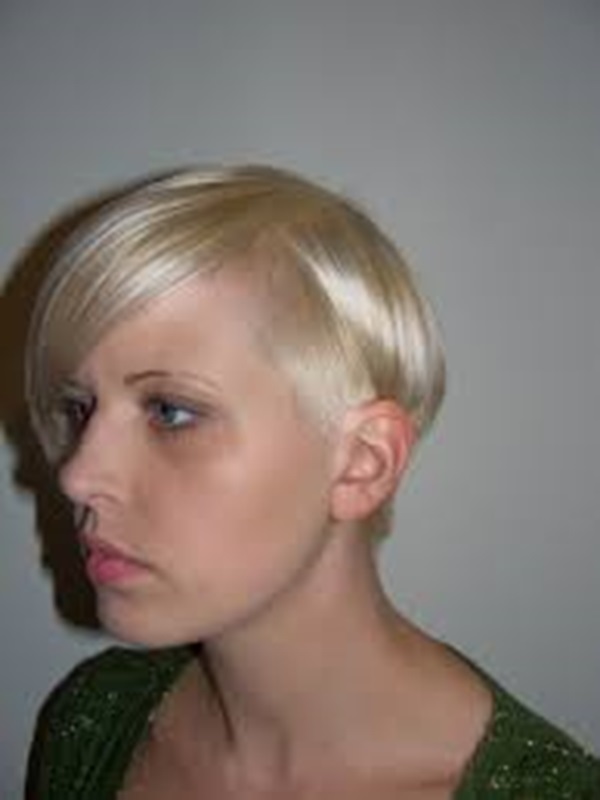
The pixie with an undercut is a bold and rebellious choice that combines the classic pixie cut with a shaved or closely cropped side. This style creates a striking contrast between the longer top and the shaved sides, making a powerful statement. It’s perfect for those who want to express their individuality and embrace a unique look.
Celebrities rocking the pixie with undercut
Cara Delevingne: Cara Delevingne’s pixie cut with undercut is a testament to her bold and fearless style.
Kristen Stewart: Kristen Stewart’s pixie cut with undercut is a perfect example of how this style can be both edgy and feminine.
Ruby Rose: Ruby Rose’s pixie cut with undercut is a perfect example of how this style can be edgy and feminine.
Choosing the Right Pixie Cut for You
Now that you’ve explored the diverse world of pixie cuts, it’s time to consider the factors that will help you choose the perfect style for your unique features and lifestyle.
The proper pixie cut can accentuate your best features and create a flattering silhouette. Here’s a guide to choosing a pixie cut that complements different face shapes:
Opt for a pixie cut with longer layers on top and sides to create a more elongated look. Avoid too short or symmetrical styles, as they can accentuate roundness.
Oval Face: The oval face shape can pull off almost any pixie cut style. Experiment with different lengths and angles to find your perfect match.
Square Face: Soften sharp angles with a pixie cut, longer layers around the face, and a slightly longer top. Avoid too short or symmetrical styles, as they accentuate squareness.
Heart Face: Balance a wider forehead with a pixie cut that features longer layers around the face and a shorter top. Avoid styles that are too short or too voluminous on top, as they can accentuate the heart shape.
Long Face: A pixie cut with longer layers on the sides and a slightly shorter top creates a more balanced look. Avoid styles that are too short or too symmetrical, as they can elongate the face.
Hair Texture
Your hair texture is crucial in determining the best pixie cut for you. Here’s a guide to choosing a pixie cut that complements different hair textures:
Straight Hair: Straight hair can easily be styled into a sleek, polished pixie cut. Experiment with different lengths and angles to create a variety of looks.
Wavy Hair: Wavy hair can add texture and volume to a pixie cut. Opt for styles that embrace natural waves, such as choppy pixies or ones with longer layers.
Curly Hair: Curly hair can be more challenging to style into a pixie cut, but it’s possible. Look for styles that embrace the curls, such as a pixie with longer layers or an undercut.
Lifestyle
Your lifestyle should also be a consideration when choosing a pixie cut. If you lead a busy life, you might prefer a low-maintenance style that requires minimal styling. Suppose you’re more adventurous and enjoy experimenting with different looks. In that case, you might opt for a style that allows for more versatility.
Styling Your Pixie Cut: Tips and Techniques
Once you’ve chosen your perfect pixie cut, it’s time to learn how to style it perfectly. Here are some tips and techniques to help you achieve a variety of looks:
Products
Mousse: Use mousse to add volume and texture to your pixie cut, especially if you have fine or thin hair.
Wax: Apply wax to create definition and hold for your pixie cut. Use it to style individual strands or to create a textured look.
Hairspray: Use hairspray to hold your pixie cut in place and to add shine.
Read More:- The Timeless Appeal of Adidas Samba
Blow Drying: Blow-drying your pixie cut with a round brush can help to create volume and lift.
Texturizing: Use a texturizing spray or a sea salt spray to add texture and volume to your pixie cut.
Using a Comb: Use a comb to create different parts and styles. Experiment with side parts, center parts, and even a messy, tousled look.
Conclusion
The pixie cut is a versatile and empowering hairstyle that can transform your look and boost your confidence. From classic to contemporary, every personality and preference has a pixie cut style. By considering your face shape, hair texture, and lifestyle, you can choose a pixie cut that complements your unique features and enhances your natural beauty.
Apart from this, if you are curious to read an amazing article on Elevate Your Look then explore our “Fashion” category.
Frequently Asked Questions (FAQs)
A round face shape benefits from styles that create the illusion of length. Avoid pixie cuts that are too short and symmetrical, as they can accentuate roundness. Instead, choose styles with longer layers on top and sides to elongate the face. Asymmetrical pixie cuts can also be flattering for round faces.
You can elevate your pixie cut for special occasions by adding a touch of polish and volume. Use a round brush and blow dryer to create lift and volume at the roots. You can also use a curling iron to add soft waves or curls to the top or sides of your hair. Finish with a light hairspray to hold the style in place.
Styling options vary from sleek and smooth to textured and tousled. Lightweight waxes, pomades, or mousse can enhance definition, while heat tools can be used for polished looks.
Pixie cuts are generally low to moderate maintenance. While daily styling is minimal, regular trims every 4–6 weeks help maintain the shape and prevent uneven growth.
Pixie cuts suit a wide range of face shapes, including oval, heart, and round faces. The cut can be customized with longer layers, bangs, or texture to complement individual features.