Introduction to Japanese Street Food
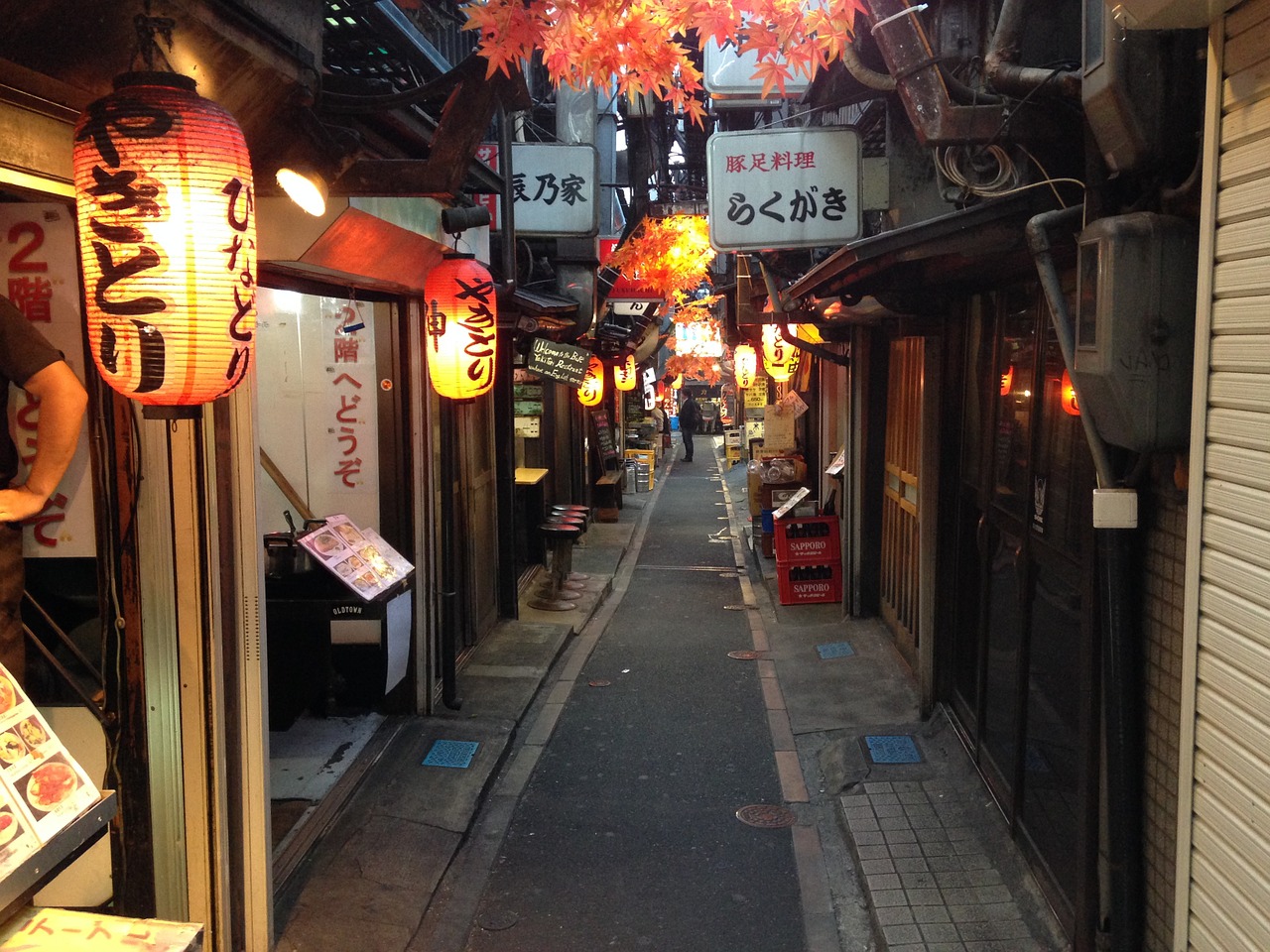
Japanese street food offers an exciting and flavorful culinary adventure that captivates both locals and tourists. The bustling markets, the aromatic scents wafting through the air, and the sizzling sounds of food being prepared right in front of you create an irresistible atmosphere. But Japanese street food is more than just delicious; it’s a vibrant part of Japan’s culture and history.
| Street Food | Main Ingredients | Typical Locations |
|---|
| Takoyaki | Batter, diced octopus, pickled ginger, green onions, takoyaki sauce, mayonnaise, bonito flakes | Osaka, street markets, festivals |
| Okonomiyaki | Flour, eggs, cabbage, meat or seafood, okonomiyaki sauce, mayonnaise, bonito flakes, aonori | Osaka, Hiroshima, street markets |
| Yaki-imo | Roasted sweet potatoes | Mobile food trucks, street vendors |
| Ikayaki | Grilled squid, soy sauce or teriyaki sauce | Festivals, seaside stalls |
| Kakigori | Shaved ice, flavored syrups, condensed milk | Summer festivals, street stalls |
| Taiyaki | Batter, sweet red bean paste or other fillings (custard, chocolate, cheese) | Street vendors, festivals |
| Senbei | Rice, soy sauce or sugar, seaweed (optional) | Street markets, traditional snack shops |
| Dango | Rice flour, sweet soy sauce or other flavors (anko, matcha) | Festivals, traditional markets |
| Yakitori | Chicken (various parts), salt or tare sauce | Izakayas, street stalls, festivals |
| Yakisoba | Noodles, meat (usually pork), vegetables, yakisoba sauce | Festivals, street vendors |
| Oden | Various ingredients (boiled eggs, daikon, fish cakes) simmered in broth | Winter stalls, convenience stores |
| Kaisen-don | Fresh seafood (tuna, salmon, sea urchin), rice | Fish markets, seafood stalls |
| Nikuman | Steamed buns, pork filling | Street vendors, convenience stores |
| Bento | Rice, meat or fish, vegetables, pickles | Convenience stores, train stations |
History of Japanese Street Food
Japanese street food dates back to the Edo period when vendors sold quick, affordable meals to busy city dwellers. As Japan transitioned through the Meiji era, these street food traditions evolved, incorporating influences from other cultures and adapting to changing tastes. Today, Japanese street food reflects a blend of ancient culinary practices and modern innovations, making it a dynamic and ever-evolving culinary landscape.
Top 10 Japanese street foods you have to try
Yaki-imo
Yaki-imo is a traditional Japanese snack made from roasted sweet potatoes. These sweet and warm treats are often sold from trucks during the autumn and winter months, and their delicious aroma is a familiar scent in Japanese neighborhoods. yaki-imo literally means “baked potato,” it’s also frequently used to refer to Japanese sweet potatoes, or Satsuma-imo, named after the Satsuma region of Kyushu Island. These potatoes offer an enticing, toasty, and faintly sweet aroma that is particularly well-liked throughout the nation in the winter.
Okonomiyaki
Okonomiyaki is a savory pancake that typically contains cabbage, meat, seafood, and other ingredients mixed into a batter and cooked on a griddle. It’s then topped with okonomiyaki sauce, mayonnaise, bonito flakes, and seaweed. This dish is especially popular in Osaka and Hiroshima, with each region having its own variation.
Ikayaki
Ikayaki refers to grilled squid, often served on a stick. The squid is typically marinated in a savory sauce and grilled to perfection, making it a popular and tasty street food, especially at festivals and seaside stalls. Customers may enjoy the freshness and deliciously chewy texture of the squid thanks to its straightforward recipe. Though this yakitori looks like a basic snack, when cooked properly, the slimy meat becomes a soft and plump gourmet masterpiece.
Kakigori
Kakigori is a refreshing Japanese shaved ice dessert, often topped with flavored syrups and condensed milk. Popular flavors include strawberry, matcha, and melon. It’s a favorite treat during the hot summer months.
Taiyaki
Taiyaki is a fish-shaped cake usually filled with sweet red bean paste, although other fillings like custard, chocolate, and cheese are also popular. This iconic street food is enjoyed as a dessert or snack. Taiyaki, a fish-shaped cake, is typically filled with sweet red bean paste. This treat has a fascinating history, evolving from its origin as a simple street snack to a beloved dessert with various fillings like custard, chocolate, and cheese.
Senbei
Senbei are traditional Japanese rice crackers that come in various shapes, sizes, and flavors. They can be sweet or savory and are often enjoyed as a crunchy snack. Some are glazed with soy sauce, while others might be wrapped in seaweed.
Dango
Dangos are small, chewy rice dumplings often served on a skewer. They come in different varieties and flavors, such as mitarashi dango, which is coated with a sweet soy sauce glaze. They are commonly enjoyed during festivals.
Takoyaki
Takoyaki are ball-shaped snacks made from a batter filled with pieces of octopus, tempura scraps, pickled ginger, and green onions. Originating from Osaka, they are a beloved street food across Japan. Takoyaki, or octopus balls, originated in Osaka and have become a street food staple. Made with a batter filled with diced octopus, tempura scraps, pickled ginger, and green onions, these balls are cooked in a special takoyaki pan and topped with takoyaki sauce, mayonnaise, and bonito flakes.
Bento
Bento refers to a single-portion meal that is traditionally packed in a box. It usually contains rice, meat, or fish, and a variety of side dishes such as vegetables and pickles. Bentos are widely available at convenience stores, train stations, and street vendors.
Nikuman
Nikuman are steamed buns filled with a savory pork mixture. These soft, fluffy buns are a popular street food, especially during the colder months, offering a warm and satisfying bite.
The Vibrant Diversity That Defines Japanese Street Food
Japanese street food isn’t just about quick snacks — it’s a testament to culinary creativity, cultural tradition, and regional flavor. From the crispy batter and savory octopus-filled spheres of Takoyaki to the sizzling griddle-fried noodles and vegetables of Yakisoba, the streets of Japan deliver a variety of tastes that cater to every kind of craving. You’ll also find grilled skewers like Yakitori, comforting savory pancakes such as Okonomiyaki, and sweet treats like bean-paste cakes and rice-flour dumplings. What makes this tradition special is its accessibility — street stalls and food carts deliver freshly prepared dishes that you can enjoy on the go, making Japanese street food both an everyday convenience and a memorable cultural experience.
Popular Japanese Street Food Markets
Tsukiji Fish Market
Tsukiji Fish Market in Tokyo is a haven for seafood lovers. Known worldwide for its tuna auctions, the outer market area teems with vendors selling fresh sashimi, sushi, and other seafood delights.
Nishiki Market
Located in Kyoto, Nishiki Market is often referred to as “Kyoto’s Kitchen.” Here, you can find an array of street food, from fresh produce to unique snacks like yuba (tofu skin) and pickled vegetables.
Ameya-Yokochō
Ameya-Yokochō, also known as “Candy Alley,” in Tokyo’s Ueno district, offers a nostalgic glimpse into Japan’s post-war street food scene with stalls selling traditional sweets, savory snacks, and quirky novelty items.
Regional Specialties
Osaka
Osaka is known as the street food capital of Japan, famous for its Takoyaki and Okonomiyaki. The city’s vibrant food culture is evident in its numerous street food stalls and markets.
Hiroshima
Hiroshima offers a unique twist on Okonomiyaki with its layered style, incorporating noodles and a fried egg. This version is just as beloved and showcases the regional diversity of Japanese street food.
Tokyo
Tokyo’s street food scene is incredibly diverse, with offerings ranging from traditional snacks to international fusion dishes. The city’s markets and festivals are perfect places to explore this variety.
Sweet Treats on the Streets
Dango
Dangos are skewered rice dumplings, often enjoyed with a sweet soy sauce glaze. There are various types, including hanami dango, typically enjoyed during cherry blossom season.
Dorayaki
Dorayaki consists of two fluffy pancakes filled with sweet red bean paste. Modern versions also feature fillings like matcha cream, chocolate, and fruit.
Kakigōri
Kakigōri, shaved ice topped with flavored syrups and condensed milk, is a refreshing summer treat. Popular flavors include strawberry, matcha, and melon.
Savory Delights
Yakitori
Yakitori, or grilled chicken skewers, use various parts of the chicken, including thighs, wings, and even liver. They are seasoned with either salt or a sweet soy sauce glaze.
Yakisoba
Yakisoba is stir-fried noodles mixed with meat, vegetables, and a tangy sauce. It’s a common sight at festivals, where it’s cooked on large iron griddles.
Oden
Oden is a comforting winter dish consisting of various ingredients like boiled eggs, daikon radish, and fish cakes simmered in a light, soy-flavored broth.
Seafood Specialties
Ikayaki
Ikayaki, or grilled squid on a stick, is a popular snack, especially at seaside stalls. The squid is often marinated and grilled, resulting in a tender and flavorful treat.
Kaisen-don
Kaisen-don, a seafood bowl, features a variety of fresh seafood like tuna, salmon, and sea urchins served over a bed of rice. It’s a must-try for seafood enthusiasts.
Unique Street Food Experiences
Yatai Culture
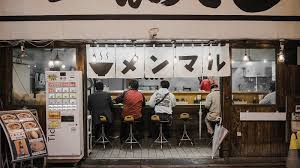
Yatai, or mobile food stalls, are an integral part of Japan’s street food scene. These stalls, which often appear during festivals, offer a wide range of foods and create a lively and communal dining experience.
Festival Foods
Japanese festivals, or matsuri, are perfect opportunities to sample street food. Specialties like takoyaki, yakisoba, and kakigōri are commonly enjoyed amidst the festive atmosphere.
Where are the best Japanese street foods located?
1. Tsukiji Fish Market – Tokyo
Tsukiji Fish Market, once the largest wholesale fish market in the world, is now famous for its outer market. Visitors can enjoy fresh sashimi, sushi, and other seafood delicacies. The vibrant market atmosphere and high-quality seafood make it a must-visit for food enthusiasts.
2. Okage Yokocho – Mie
Located near the famous Ise Shrine, Okage Yokocho is a charming street lined with Edo-period-style buildings. This area offers a variety of traditional Japanese snacks and sweets, such as Ise Udon and Akafuku mochi, giving visitors a taste of Mie’s culinary heritage.
3. Takayama Sanmachi – Gifu
Takayama Sanmachi is a historic district in Takayama known for its well-preserved Edo-era streets. Here, you can find local specialties like Hida beef skewers and sake. The picturesque streets and delicious street food create a memorable experience.
4. Nakasu – Fukuoka
Nakasu is Fukuoka’s bustling nightlife district, famous for its yatai, or mobile food stalls. These stalls offer a variety of dishes, including Hakata ramen, yakitori, and tempura. The lively atmosphere and wide range of street food make Nakasu a popular destination.
5. Tennoji District – Osaka
Tennoji District in Osaka is known for its eclectic mix of street food and shopping. Here, you can sample local favorites like takoyaki, okonomiyaki, and kushikatsu. The area is also home to attractions like the Shitennoji Temple and Abeno Harukas.
6. Nishiki Market – Kyoto
Nishiki Market, often referred to as “Kyoto’s Kitchen,” is a narrow, five-block-long shopping street lined with over a hundred shops and restaurants. The market offers a wide range of Kyoto specialties, including pickled vegetables, fresh seafood, and traditional sweets. It’s the perfect place to explore Kyoto’s culinary delights.
Health and Safety Considerations
Japan takes food safety seriously, and street food vendors adhere to strict hygiene standards. However, it’s always wise to choose stalls with high turnover and visible cleanliness to ensure a safe eating experience.
The Role of Street Food in Japanese Society
Street food in Japan fosters social interactions and brings communities together. It also contributes significantly to the local economy, providing livelihood to many vendors and promoting culinary tourism.
How to Enjoy Japanese Street Food
For first-time visitors, exploring Japanese street food can be overwhelming. Start with popular markets like Tsukiji and Nishiki, and don’t be afraid to ask for recommendations. Be adventurous and try a bit of everything!
Cooking Japanese Street Food at Home
If you’re inspire to recreate Japanese street food at home, start with simple recipes like takoyaki or yakitori. Essential ingredients include flour, dashi, soy sauce, and fresh seafood or meat. Specialty cookware like takoyaki pans can help you achieve authentic results.
Do’s and don’ts of eating street food in Japan
Do dispose of your trash properly; many street food vendors provide bins, but if they don’t, carry your waste until you find a designated disposal area. Use cash for transactions, as many street vendors may not accept credit cards.
don’t eat while walking. It is impolite in Japan to walk and eat at the same time. Instead, find a spot nearby where you can enjoy your food leisurely. Don’t handle food with your hands if chopsticks or other utensils are provided. This practice maintains cleanliness and respects the vendor’s efforts.
Future of Japanese Street Food
As global food trends continue to influence Japan, we see innovations in street food, such as fusion dishes and modern twists on traditional snacks. The future of Japanese street food looks bright, with a continuous blend of tradition and creativity.
Read More: Best Countries to Visit in November:
Conclusion
Japanese street food is a delightful journey through flavors and history. Whether you’re strolling through vibrant markets or enjoying festival foods, the experience is both a culinary and cultural feast. So, next time you find yourself in Japan, dive into the street food scene and savor every bite.
Apart from that if you want to know about “Best Countries to Visit In May” then please visit our “TRAVEL” Category
FAQs
Takoyaki, or octopus balls, is one of the most popular and iconic Japanese street foods, especially in Osaka.
Yes, Japanese street food vendors follow strict hygiene standards, but it’s always best to choose stalls that look clean and have a high customer turnover.
Osaka-style Okonomiyaki is mixed and cooked as a thick pancake, while Hiroshima-style is layered and includes noodles and a fried egg.
While many Japanese street foods contain meat or seafood, there are vegetarian options like vegetable tempura, dango, and some types of yakisoba.
Start with simple recipes like takoyaki or yakitori, and use authentic ingredients such as dashi, soy sauce, and fresh seafood or meat. Specialty cookware like takoyaki pans can help recreate the authentic street food experience.