
Apple Music vs Spotify
Apple Music vs Spotify are both famous entertainment platforms. Apple Inc. developed the music streaming service known as Apple Music. It lets you listen to millions of songs, curated playlists, and radio stations. With Apple Music, you can discover new music, create playlists, and access exclusive content. Whether you’re a pop, rock, hip-hop, or classical fan, Apple Music has something for everyone to enjoy.
On the other hand, Spotify is also a popular music streaming platform that is loved by millions worldwide. It offers a vast library of songs, playlists, and podcasts that cater to diverse musical tastes. With Spotify, you can discover new music, create playlists, and follow your favorite artists. Whether you’re into pop, jazz, EDM, or country, Spotify provides endless entertainment.
- Functionality and User Interface
- Music Library and Content
- Personalization and Recommendations
- Audio Quality
- Offline Listening
- Pricing and Subscription Options
- Availability and Compatibility
- Social Features
- Exclusive Content
- Integration with Other Devices and Services
- Popularity and User Base
- Public Reviews and Feedback
| Feature | Apple Music | Spotify |
|---|
| Subscription Plans | Individual, Family, Student | Free, Individual, Duo, Family, Student |
| Music Library | 100 million+ songs | 100 million+ songs |
| Free Tier | No | Yes, ad-supported |
| Sound Quality | Up to 24-bit/192 kHz lossless | Up to 320 kbps |
| Offline Listening | Yes | Yes |
| Curated Playlists | Yes | Yes |
| Personalized Playlists | Yes (For You, New Music Mix, etc.) | Yes (Discover Weekly, Release Radar, etc.) |
| Podcasts | Yes | Yes |
| Exclusive Content | Yes | Occasionally |
| Social Features | Limited | Extensive (Friend Activity, Collaborative Playlists) |
| Compatibility | iOS, Android, macOS, Windows, CarPlay, Apple Watch, HomePod, etc. | iOS, Android, macOS, Windows, Web, Chromecast, smart speakers, etc. |
| Lyrics | Yes (with time-synced lyrics) | Yes (with time-synced lyrics) |
| Integration with Other Services | Apple ecosystem (iCloud, Siri, HomePod) | Google Home, Amazon Alexa, Facebook, Instagram |
| Price | $9.99/month (Individual) | $9.99/month (Individual) |
| Trial Period | 1 month | 1 month |
How Audio Quality & Streaming Experience Differ Between Apple Music and Spotify
One of the most important distinctions between Apple Music and Spotify is the emphasis they place on audio quality and user experience. Apple Music delivers high-fidelity results through lossless streaming and Spatial Audio support, creating a richer, more immersive listening experience — particularly noticeable with quality headphones or speakers. In contrast, Spotify emphasizes ease of use and music discovery with intelligent playlist algorithms, personalized recommendations like weekly “Discover” mixes, and a clean, straightforward interface that works across many devices. Because of this, Apple Music tends to attract users who prioritize sonic fidelity and integration within an ecosystem, while Spotify remains popular among listeners who value broad device compatibility, intuitive navigation, and social sharing features.
Functionality and User Interface
With its elegant and user-friendly interface, Apple Music blends in perfectly with Apple’s network of products and services. Its minimalist design makes navigation a breeze, allowing users to discover new music effortlessly. On the other hand, Spotify offers a more vibrant and dynamic interface, with features like customizable playlists and collaborative listening sessions. While both platforms excel in functionality, Spotify’s user interface may appeal more to those who prefer a visually engaging experience.
Music Library and Content
Regarding the sheer size of their music libraries, Spotify takes the lead with over 70 million tracks available to stream. Apple Music follows closely behind, with a catalog of over 75 million songs. However, Apple Music has been known to secure exclusive deals with artists and labels, offering subscribers access to content unavailable on other platforms. Whether you’re a fan of mainstream hits or niche indie tracks, both Apple Music and Spotify have something to offer.
User Interface
- Apple Music: The interface is clean and intuitive, especially for users familiar with Apple’s design language. It integrates well with iOS, macOS, and other Apple devices.
- Spotify: Spotify’s interface is user-friendly and consistent across platforms. The dark theme and easy navigation make it appealing to a broad audience.
Playlists and Discoverability
- Apple Music: Features curated playlists by genres, moods, and activities. The “For You” section offers personalized recommendations based on listening habits.
- Spotify: Known for its powerful recommendation engine, Spotify offers personalized playlists like Discover Weekly and Daily Mixes. The platform excels in helping users discover new music.
Personalization and Recommendations
One key feature differentiating Apple Music and Spotify is their personalized recommendation algorithms. Apple Music uses a combination of human curation and machine learning to tailor playlists and recommendations based on the user’s listening habits. On the other hand, Spotify employs a more data-driven approach, analyzing factors such as listening history, mood, and location to deliver personalized playlists like Discover Weekly and Release Radar. Ultimately, the effectiveness of these algorithms depends on the individual user’s preferences and usage patterns.
Audio Quality
For audiophiles and music enthusiasts, audio quality is a crucial factor to consider when choosing a streaming service. Apple Music and Spotify offer high-quality streaming options, with Apple Music boasting a maximum bitrate of 256 kbps AAC and Spotify offering up to 320 kbps Ogg Vorbis. However, Spotify also offers a HiFi subscription tier, which delivers lossless audio quality for an enhanced listening experience. Both platforms strive to provide the best possible sound quality, whether streaming on a smartphone or listening through a high-fidelity audio system.
Sound Quality
- Apple Music: Streams at 256 kbps AAC but supports lossless and spatial audio with Dolby Atmos for premium subscribers.
- Spotify: Premium users can stream at up to 320 kbps Ogg Vorbis. Spotify has announced plans for a HiFi tier, but its release has been delayed.
Offline Listening
For users who prefer to listen to music on the go, offline listening is a must-have feature. Apple Music and Spotify allow subscribers to download songs, albums, and playlists for offline playback. However, there are some differences in how these platforms handle offline listening. Apple Music requires users to add songs to their library before they can download them for offline playback. At the same time, Spotify allows users to download individual songs and albums directly from the app. Additionally, Spotify limits the number of offline downloads based on the user’s subscription tier, whereas Apple Music has no such restrictions.
Pricing and Subscription Options
Regarding pricing and subscription options, both Apple Music and Spotify offer competitive plans to suit various budgets and preferences. Apple Music provides a standard individual plan for $9.99 per month, with a discounted rate of $4.99 per month for students, and a family plan for $14.99 per month that permits up to six users to share a membership. Spotify also offers a standard individual plan for $9.99 per month, a discounted student plan for $4.99 per month, and a family plan for $14.99 per month. Additionally, Spotify offers a free ad-supported tier with limited features, while Apple Music does not have a free tier.
Apple Music
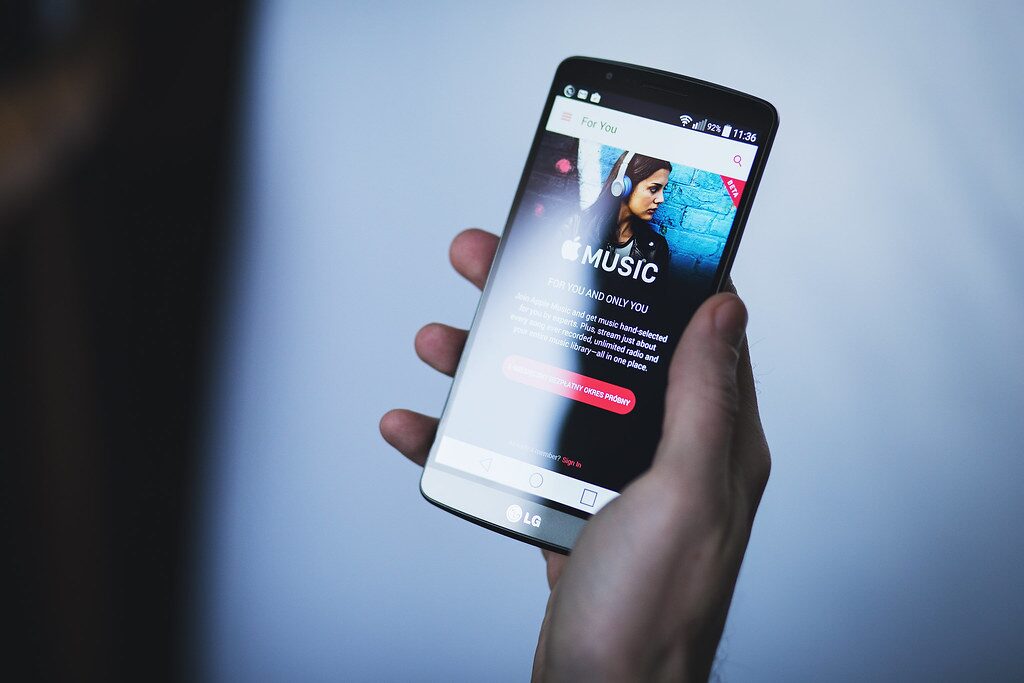
- Individual Plan: $10.99/month
- Family Plan: $16.99/month (up to six members)
- Student Plan: $5.99/month
- Voice Plan: $4.99/month (limited to Siri control and certain features)
Spotify
- Free Tier: Ad-supported
- Individual Plan: $10.99/month
- Duo Plan: $14.99/month (two accounts)
- Family Plan: $16.99/month (up to six
Availability and Compatibility
Apple Music and Spotify are available on various devices and platforms, including smartphones, tablets, computers, smart speakers, and more. Apple Music is compatible with Apple devices such as iPhone, iPad, Mac, and Apple Watch. At the same time, Spotify is available on both Apple and Android devices and various smart TVs, game consoles, and streaming media players. Additionally, both platforms offer web players for users who prefer to listen through a browser.
Social Features
In the age of social media, music streaming platforms are increasingly incorporating social features to enhance the user experience. Spotify allows users to follow friends, share playlists, and see what their friends listen to in real time. Apple Music offers similar social features, allowing users to follow friends, share playlists, and see what their friends are listening to. However, Spotify’s social features are more integrated into the platform, with features like collaborative playlists and group listening sessions.
Exclusive Content
One area where Apple Music has a distinct advantage over Spotify is its exclusive content offering. Apple Music has secured exclusive deals with artists and labels to release albums, singles, and live performances exclusively on the platform. This includes everything from exclusive album releases to live-streamed concerts and interviews. While Spotify also offers exclusive content through its Spotify Sessions and Spotify Singles series, Apple Music’s partnerships with artists like Taylor Swift, Drake, and Billie Eilish give it an edge.
Integration with Other Devices and Services
Apple Music and Spotify offer seamless integration with other devices and services, allowing users to control their music playback across multiple platforms. Apple Music integrates seamlessly with Apple’s ecosystem of devices and services, including Siri, HomePod, and CarPlay. Spotify also offers integration with various devices and services, including Amazon Alexa, Google Assistant, and various smart home devices. Additionally, both platforms offer integration with third-party apps and services through APIs and SDKs.
Popularity and User Base
In terms of popularity and user base, Spotify currently holds the lead with over 365 million monthly active users and 165 million premium subscribers worldwide. Apple Music, meanwhile, has over 80 million subscribers globally, making it the second most popular music streaming service. However, Apple Music has been steadily gaining ground on Spotify in recent years, thanks in part to its exclusive content and integration with Apple’s ecosystem of devices and services.
User Base
- Apple Music: As of 2023, Apple Music has over 88 million subscribers. The service benefits from Apple’s extensive ecosystem and brand loyalty.
- Spotify: With over 500 million users and 210 million premium subscribers, Spotify leads the market. Its availability in 178 countries and regions contributes to its massive user base.
Market Reach
- Apple Music: Strong presence in North America, Europe, and Asia. Apple’s hardware sales drive its music streaming service’s growth.
- Spotify: Dominates globally, with significant market shares in Europe, Latin America, and North America. Its free tier attracts a large audience.
Public Reviews and Feedback
Public reviews and feedback can provide valuable insights into the strengths and weaknesses of a music streaming platform. Both Apple Music and Spotify have received generally positive reviews from users and critics alike, with praise for their extensive libraries, personalized recommendations, and user-friendly interfaces. However, some users have criticized Apple Music for its lack of social features and integration with third-party apps, while others.
Apple Music vs Spotify: browser playback
Thankfully, Apple Music can now be accessed using a browser like Spotify, and users no longer need to install iTunes. Like their app counterparts, both browser versions let you explore their respective libraries, access your playlists, and play “Made for you” content.
Mobile App Design
In terms of design, Spotify and Apple Music take different approaches. Apple Music is a clear example of the company’s penchant for beautiful design. Their mobile app, which boasts a lovely and straightforward UI full of exciting components, is enhanced even more by the upcoming iOS 17 upgrade, which should make using it a pleasurable experience.
Spotify vs. Apple Music – Which One is Better?
Spotify excels with its extensive music library, exceptional playlist curation, and user-friendly interface, making it a top choice for music discovery and social sharing. On the other hand, Apple Music offers high-quality sound, a comprehensive library, and seamless integration with Apple devices and services, catering well to users in the Apple ecosystem. Ultimately, the best choice depends on personal preferences regarding features, sound quality, and device compatibility.
Important critical points for the difference between Spotify & Apple Music
Library Size:
- Spotify: Extensive music library
- Apple Music: Comprehensive music library
User Interface:
- Spotify: User-friendly, intuitive
- Apple Music: Seamless integration with iOS
Playlist Curation:
- Spotify: Superior playlist curation and discovery
- Apple Music: Strong curated playlists
Sound Quality:
- Spotify: Standard sound quality
- Apple Music: High-quality sound
Device Compatibility:
- Spotify: Cross-platform support
- Apple Music: Best for Apple ecosystem
Social Features:
- Spotify: Excellent social sharing and collaborative playlists
- Apple Music: Limited social features
Pricing:
- Spotify: Free tier available with ads
- Apple Music: No free tier, trial period available
Additional Features:
- Spotify: Podcasts, personalized playlists
- Apple Music: Beats 1 radio, exclusive releases
Read More:- Samsung Galaxy S24 Ultra.
Conclusion
In conclusion, Apple Music and Spotify are excellent music streaming services with unique advantages. Spotify stands out for its user-friendly design and fantastic music discovery features, while Apple Music shines with high-quality sound and seamless integration with Apple devices. Your choice will depend on which features are most important to you and how well each service fits into your daily life and devices. Ultimately, both offer a rich listening experience tailored to different preferences.
Apart from that if you want to know about “Pair Eyewear Review,” then please visit our “TECH” Category
FAQs
Both apps run well on Android, but Spotify tends to feel more universal due to its consistent interface across devices and wide compatibility. Apple Music also works on Android but is more optimized for Apple products.
Apple Music integrates more seamlessly with iOS devices, Siri, Apple CarPlay, and the Apple ecosystem overall. It provides a smoother experience for users already invested in Apple’s hardware.
Both services offer extensive catalogs with tens of millions of songs. Apple Music is often noted for having a slightly larger or more diverse global library, while Spotify focuses on strong curation and discovery tools.
Apple Music generally offers higher audio quality through lossless and high-resolution streaming options. Spotify provides good quality as well, but its standard streaming is more compressed compared to Apple Music’s lossless formats.
Spotify generally offers broader compatibility with smart speakers, gaming consoles, TVs, and more. Apple Music integrates extremely well with Apple devices and supports additional features like Spatial Audio on compatible hardware.